8618566785362 8618566785362 8618566785362 phoenix08@bbamachine.com
- All
- Product Name
- Product Keyword
- Product Model
- Product Summary
- Product Description
- Multi Field Search

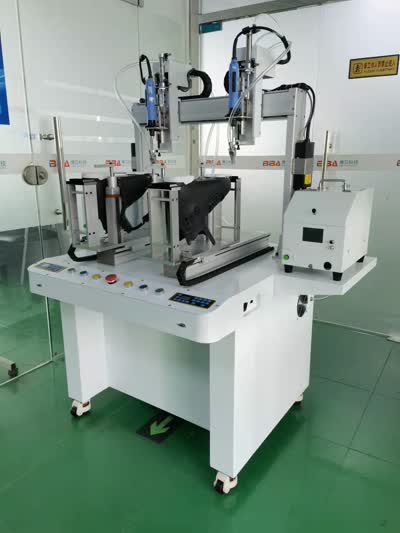
.body-style { font-family: Arial, sans-serif; line-height: 1.6; color: #333; margin: 20px; } .h2-style { color: #0056b3; font-size: 24px; margin-top: 20px; margin-bottom: 10px; } .p-style { margin-bottom: 15px; } .strong-style { color: #0056b3; font-weight: bold; } Key Phrases to Target for Screw Assembly Marketing In the competitive landscape of industrial automation, effectively communicating the value of your screw assembly solutions is paramount. The right marketing language not only captures attention but also resonates deeply with the specific needs and pain points of your target audience. To craft compelling messages that drive engagement and conversion, it is essential to focus on key phrases that highlight efficiency, precision, reliability, and innovation. Enhancing Production Efficiency and Throughput One of the primary concerns for manufacturing professionals is maximizing output without compromising quality. Phrases such as "high-speed automated screw driving" and "maximize production line throughput" directly address this need. These terms emphasize the ability of your systems to accelerate assembly processes, reduce cycle times, and handle high-volume demands seamlessly. By highlighting these capabilities, you appeal to operations managers seeking to optimize their manufacturing floors and achieve significant productivity gains. Ensuring Uncompromising Quality and Reliability Quality control is a non-negotiable aspect of screw assembly. Marketing messages should incorporate phrases like "error-proof fastening solutions" and "zero-defect assembly processes". These phrases assure potential clients of the precision and consistency of your equipment. They speak to engineers and quality assurance managers who prioritize reducing rework, minimizing product failures, and maintaining stringent quality standards. Emphasizing reliability builds trust and positions your products as critical components for mission-critical applications. Adapting to Flexible Manufacturing Needs Modern manufacturing requires agility. Terms such as "quick-changeover capabilities" and "flexible automation for mixed production" are highly effective. They demonstrate that your screw assembly systems can adapt rapidly to different product designs, batch sizes, and assembly requirements. This flexibility is crucial for industries like automotive and electronics, where production lines must frequently switch between variants. Targeting this phrase appeals to planners and engineers looking for scalable and versatile automation solutions. Integration and Ease of Use The ease of integrating new equipment into existing lines is a major purchasing factor. Highlighting "seamless integration with existing machinery" and "user-friendly programming interface" addresses common concerns about implementation complexity and training time. These phrases are particularly attractive to plant managers and maintenance teams who seek to minimize downtime and ensure a smooth transition to automated processes. Stressing intuitive operation reduces perceived barriers to adoption. Driving Cost Reduction and ROI Ultimately, investment in automation is driven by financial return. Powerful marketing phrases include "significant reduction in direct labor costs" and "rapid return on investment (ROI)". These speak directly to the bottom-line concerns of financial decision-makers and executives. By quantifying the potential savings and outlining the clear economic benefits, your marketing materials can effectively justify the investment and demonstrate the long-term value of your screw assembly systems. By strategically incorporating these targeted key phrases into your website content, brochures, and sales presentations, you can more effectively connect with your audience's core objectives. This focused approach ensures your marketing message is both seen and understood, driving growth and establishing your brand as a leader in industrial automation solutions. Product Name Applicable industries Desktop Screwdriver Robot Industrial Control Panel Assembly

اسم المنتج الصناعات المناسبة آلة براغي السيارات الآلية تجميع الدراجات الكهربائية body { font-family: Arial, sans-serif; line-height: 1.6; margin: 20px; } h1 { color: #2c3e50; font-size: 28px; margin-bottom: 10px; } p { margin-bottom: 15px; color: #333; } strong { color: #16a085; } تحقيق عزم دوران متسق مع الأتمتة في عالم التصنيع الصناعي، الدقة ليست مجرد هدف - بل هي ضرورة. من بين العديد من المعايير التي تحدد الجودة والموثوقية، يبرز اتساق عزم الدوران كعامل حاسم. سواء كان تجميع الإلكترونيات الدقيقة أو الآلات الثقيلة، فإن تطبيق عزم دوران دقيق وقابل للتكرار يضمن سلامة المنتج وسلامته وأدائه. ومع ذلك، فإن التطبيق اليدوي لعزم الدوران عرضة للخطأ البشري والتعب والتباين. هنا تدخل الأتمتة، لتحول التحكم في عزم الدوران إلى عملية سلسة ودقيقة وفعالة للغاية. تستفيد أنظمة عزم الدوران المؤتمتة من التقنيات المتقدمة لتقديم اتساق لا مثيل له. تدمج هذه الأنظمة أجهزة الاستشعار وأجهزة التحكم والمشغلات لمراقبة عزم الدوران وتعديله في الوقت الفعلي، مما يضمن أن كل مادة تثبيت تلبي المواصفات الدقيقة. الفوائد متعددة الجوانب: انخفاض معدلات العيوب، وتعزيز سلامة العمال، وتحسين إنتاجية الإنتاج. بالنسبة للصناعات مثل السيارات والفضاء والإلكترونيات الاستهلاكية، حيث تكون تفاوتات عزم الدوران ضيقة للغاية، لم تعد الأتمتة رفاهية ولكنها متطلب أساسي. أحد المكونات الرئيسية لتحقيق عزم دوران متسق هو استخدام الأدوات التي تعمل بالسيرفو. توفر هذه الأدوات ملاحظات الحلقة المغلقة، حيث تقيس عزم الدوران المطبق باستمرار وتقوم بتصحيحات فورية. هذا المستوى من التحكم يمنع نقص عزم الدوران، الذي يمكن أن يؤدي إلى اتصالات فضفاضة وإخفاقات محتملة، والإفراط في عزم الدوران، الذي قد يتسبب في تلف المكونات أو الخيوط. يمكن أيضًا تسجيل البيانات التي تم جمعها أثناء العملية لضمان الجودة وإمكانية التتبع، مما يدعم الامتثال لمعايير الصناعة واللوائح. علاوة على ذلك، تم تصميم أنظمة عزم الدوران المؤتمتة للتكامل بسلاسة في خطوط الإنتاج الحالية. يمكن برمجتها لمهام متعددة، والتكيف مع منتجات مختلفة ومتطلبات عزم الدوران دون إعادة تكوين يدوية. تتيح هذه المرونة للمصنعين الاستجابة بسرعة للطلبات المتغيرة مع الحفاظ على مستويات عالية من الدقة. تلعب الروبوتات دورًا مهمًا هنا، حيث أن الأذرع المؤتمتة المجهزة بأجهزة استشعار عزم الدوران قادرة على أداء تجميعات معقدة بدقة تفوق بكثير القدرة البشرية. ميزة أخرى هي تقليل الإجهاد البدني على العمال. يمكن أن يؤدي التطبيق اليدوي المتكرر لعزم الدوران إلى اضطرابات عضلية هيكلية وإرهاق، مما يزيد من خطر الأخطاء والإصابات. من خلال أتمتة هذه المهام، لا تحسن الشركات جودة المنتج فحسب، بل تعزز أيضًا بيئة عمل أكثر أمانًا وملاءمة ergonomically. يمكن تدريب الموظفين على الإشراف على الأنظمة المؤتمتة وإدارتها، والتركيز على أنشطة ذات قيمة مضافة بدلاً من العمل اليدوي المتكرر. بالنظر إلى المستقبل، من المتوقع أن يصبح مستقبل أتمتة عزم الدوران أكثر ذكاءً. مع دمج تقنيات إنترنت الأشياء (IoT)، يمكن توصيل أنظمة عزم الدوران بمنصات مراقبة مركزية. هذا يتيح الصيانة التنبؤية، حيث تحدد تحليلات البيانات المشكلات المحتملة قبل أن تسبب توقفًا، والتحسين المستمر لعمليات عزم الدوران بناءً على مقاييس الأداء في الوقت الفعلي. والنتيجة هي نظام تصنيع أكثر ذكاءً واستجابة. في الختام، يعد تحقيق عزم دوران متسق مع الأتمتة نهجًا تحويليًا يرفع معايير التصنيع. يضمن أن كل منتج يتم بناؤه بدقة وموثوقية وكفاءة. بينما تستمر الصناعات في التطور نحو مزيد من الأتمتة، فإن تبني حلول التحكم المتقدمة في عزم الدوران سيكون مفتاحًا للحفاظ على القدرة التنافسية وتلبية الطلبات المتزايدة باستمرار على الجودة والسلامة.
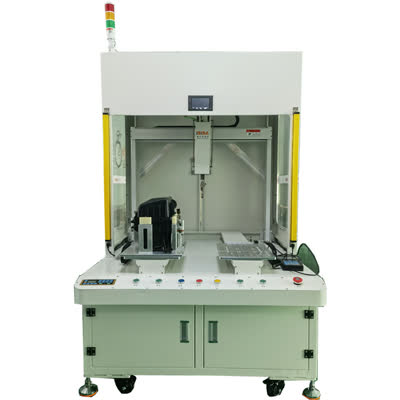
Product Name Applicable industries Automatic Screw Feeder Smart Wearables Production body { font-family: Arial, sans-serif; line-height: 1.6; color: #333; } h1 { color: #0056b3; font-size: 28px; margin-bottom: 20px; } h2 { color: #004a99; font-size: 22px; margin-top: 25px; margin-bottom: 15px; } p { margin-bottom: 15px; } ul { margin-bottom: 15px; padding-left: 20px; } li { margin-bottom: 8px; } strong { color: #004a99; } Questions to Ask Before Buying a Screw Locking Machine Investing in industrial automation equipment is a significant decision that can greatly impact your production efficiency, product quality, and bottom line. A screw locking machine, also known as a screwdriving system, is a crucial piece of equipment for countless assembly lines. Choosing the right one requires careful consideration. To ensure you make a well-informed purchase that aligns with your specific needs, here are the essential questions you should ask. What Are My Application Requirements? Before you even look at different models, you must have a deep understanding of your own application. Start by asking: Screw Specifications: What is the size, type, pitch, and material of the screws you will be using? The machine must be compatible with your fasteners. Torque and Angle Requirements: What are the precise torque and angle specifications for a perfect lock? This is critical for product quality and consistency. Part Design: What is the geometry of the part being assembled? Are there accessibility issues or unique angles the machine must accommodate? Production Volume and Speed: What is your required output in units per hour or per shift? This will determine whether you need a simple benchtop unit or a high-speed automated system. What Level of Automation Do I Need? Screw locking machines range from semi-automatic to fully automated cells. You need to decide the right level for your process. Manual Presentation: Will an operator present the part and trigger the machine? Automatic Feeding: Do you need an integrated system that automatically feeds screws to the driver, significantly increasing speed and reducing operator fatigue? Robotic Integration: Should the screwdriver be mounted on a robot for complex, multi-point assembly tasks? Matching the automation level to your volume and labor availability is key to maximizing your return on investment. How Will the Machine Integrate Into My Existing Line? The new equipment must work seamlessly with your current setup. Important integration questions include: Physical Footprint: How much floor or bench space is available for the machine? Connectivity and Data: Does the machine offer PLC connectivity (e.g., via Ethernet/IP, Profinet, Modbus) for seamless integration into your factory's control system? Can it provide data output for traceability and process monitoring? Power Requirements: What are the electrical and air pressure requirements? Ensure your facility can meet them. What About Ease of Use and Changeover? In modern manufacturing, flexibility is vital. If you produce multiple products, you must ask: How quickly can the machine be reprogrammed for a different screw or torque setting? Look for intuitive user interfaces with recipe storage. How difficult is it to change the feeder bowl or driver bit? Quick-change features can drastically reduce downtime during product changeovers. What Kind of Support and Service Can I Expect? The relationship with your supplier doesn't end at the sale. Probe into their after-sales support: Installation and Training: Do they offer on-site installation and comprehensive training for your operators and maintenance staff? Technical Support: What is the availability of their technical support team? Is there local expertise? Spare Parts and Warranty: What is the lead time for critical spare parts? What does the warranty cover and for how long? Asking these detailed questions will provide clarity and guide you toward the ideal screw locking solution. A thorough evaluation process ensures the machine you select not only performs the task but also enhances your overall manufacturing strategy, providing reliability, quality, and efficiency for years to come.
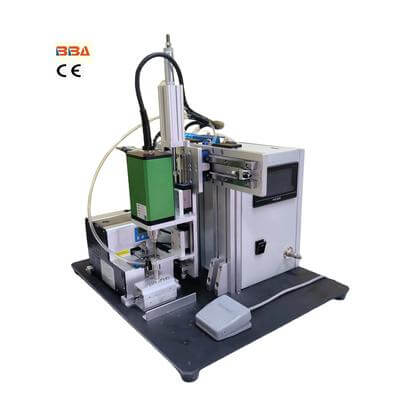
Product Name Applicable industries Inline Screw Locking System Automotive Electronics Assembly body { font-family: Arial, sans-serif; line-height: 1.6; margin: 20px; } h1 { color: #2c3e50; font-size: 28px; margin-bottom: 20px; } h2 { color: #34495e; font-size: 22px; margin-top: 25px; margin-bottom: 15px; } p { margin-bottom: 15px; color: #333; } ul { margin-bottom: 15px; padding-left: 20px; } li { margin-bottom: 8px; } strong { color: #16a085; } Desktop Robots for Precision Screw Tightening In the realm of industrial automation, precision and reliability are paramount. One of the critical processes in manufacturing and assembly is screw tightening, a task that, while seemingly simple, requires consistent accuracy to ensure product quality and safety. Manual screw tightening is prone to human error, leading to inconsistencies, stripped threads, and potential product failures. This is where desktop robots designed for precision screw tightening come into play, revolutionizing assembly lines with their unmatched accuracy and efficiency. The Need for Automation in Screw Tightening Traditional manual screw tightening processes often face challenges such as operator fatigue, variability in torque application, and difficulty in maintaining high throughput over extended periods. These issues can result in compromised product integrity and increased rework rates. Automated screw tightening solutions address these pain points by delivering consistent, high-quality results every time, reducing the risk of errors and enhancing overall production efficiency. Key Features of Desktop Screw Tightening Robots Modern desktop robots for screw tightening are equipped with advanced features that make them indispensable in precision-driven industries. These compact yet powerful systems are designed to integrate seamlessly into existing production setups, offering flexibility and scalability. High Precision Torque Control: These robots utilize sophisticated torque sensors and control algorithms to apply exact torque levels, ensuring each screw is tightened to specification without over-tightening or under-tightening. Adaptive Flexibility: With programmable settings and easy-to-configure software, these robots can handle a variety of screw sizes, types, and materials, making them suitable for diverse applications from electronics to automotive components. User-Friendly Interface: Intuitive software allows operators to set parameters, monitor performance, and troubleshoot issues with minimal training, reducing downtime and enhancing productivity. Compact Design: Their small footprint makes them ideal for benchtop applications where space is limited, without compromising on power or capability. Data Logging and Traceability: Integrated sensors record torque and angle data for each tightening operation, providing valuable insights for quality control and process optimization. Benefits of Implementing Desktop Robots Integrating desktop robots for screw tightening into manufacturing processes offers numerous advantages. Firstly, they significantly improve product consistency by eliminating human error, leading to higher quality outputs and reduced defect rates. Secondly, these robots enhance operational efficiency by working at high speeds without fatigue, increasing throughput and reducing cycle times. Additionally, they contribute to a safer work environment by minimizing repetitive strain injuries associated with manual tightening tasks. Lastly, the data collected by these systems enables continuous process improvement, helping manufacturers meet stringent quality standards and comply with industry regulations. Applications Across Industries Desktop screw tightening robots are versatile tools used in various sectors. In electronics manufacturing, they ensure delicate components are assembled with precise torque to prevent damage. In the automotive industry, they are employed for critical assemblies where reliability is non-negotiable. Medical device manufacturers rely on them to meet strict hygiene and precision requirements. Their adaptability makes them valuable in any setting where accuracy and repeatability are essential. Future Trends and Innovations The future of desktop robots for screw tightening looks promising, with ongoing advancements in artificial intelligence and machine learning. These technologies will enable even smarter systems capable of self-calibration, predictive maintenance, and adaptive learning to optimize performance over time. As industries continue to embrace Industry 4.0, these robots will play a crucial role in creating interconnected, intelligent factories that prioritize efficiency, quality, and sustainability. In conclusion, desktop robots for precision screw tightening represent a significant leap forward in industrial automation. By combining accuracy, flexibility, and ease of use, they empower manufacturers to achieve new levels of productivity and quality. As technology evolves, these systems will continue to set the standard for excellence in assembly processes worldwide.
Product Name Applicable industries Desktop Screwdriver Robot Drone and UAV Manufacturing body {font-family: Arial, sans-serif; line-height: 1.6; margin: 20px; color: #333;} h2 {color: #1a5c9e; font-size: 22px; margin-bottom: 15px;} h3 {color: #2c6bae; font-size: 18px; margin-top: 20px; margin-bottom: 10px;} p {margin-bottom: 15px; text-align: justify;} ul {margin-bottom: 15px; margin-left: 20px;} li {margin-bottom: 8px;} strong {color: #555;} Troubleshooting Common Technical Issues in Screw Locking Machines Screw locking machines are fundamental to assembly lines across numerous industries, ensuring product integrity and reliability through precise and consistent fastening. However, like any sophisticated piece of industrial automation equipment, they can occasionally encounter operational issues that disrupt production flow. Understanding how to diagnose and resolve these common problems is key to minimizing downtime and maintaining high efficiency. This article outlines several typical technical challenges and provides practical troubleshooting steps. 1. Inconsistent Torque Output One of the most frequent issues operators face is inconsistent or inaccurate torque delivery. This can result in under-tightened screws, which compromise product safety, or over-tightened screws, which can damage threads or the fastener itself. Potential Causes and Solutions: Tool Calibration: The most common cause is a tool that has fallen out of calibration due to regular wear and tear. Regularly scheduled calibration according to the manufacturer's guidelines is essential to maintain accuracy. Air Supply (for pneumatic models): Fluctuations in air pressure can lead to inconsistent torque. Ensure the air compressor is providing a stable, clean, and dry supply of air at the recommended pressure level. Check for leaks in the airline. Mechanical Wear: Worn-out components like clutches in pulse tools or DC motors in electric screwdrivers can cause performance drift. A preventative maintenance schedule should include inspection and replacement of these wear-prone parts. 2. Screw Slippage or Cross-Threading This occurs when the driver bit fails to engage the screw head properly, causing damage to the screw head (cam-out) or misalignment that leads to cross-threading. Potential Causes and Solutions: Worn or Incorrect Driver Bit: Bits wear down over time and lose their grip. Inspect bits regularly and replace them at the first sign of wear. Always use bits that match the screw type and size perfectly. Feed System Misalignment: If the screw presenting system (e.g., hopper, bowl feeder, nose piece) is not perfectly aligned with the driver, the screw will not be presented straight. Verify and adjust the alignment of the feeding mechanism to ensure the screw is vertical and centered. Operator or Robot Path Error: For handheld or robotic applications, the approach angle is critical. The tool must approach the workpiece perpendicularly to avoid cross-threading. Re-programming the robot path or retraining operators on the correct approach can resolve this. 3. Machine Stoppages or Jamming Unexpected stoppages halt production and are often caused by issues in the screw feeding system. Potential Causes and Solutions: Screw Contamination: Dirty, rusty, or non-standard screws can jam the feeder bowl or the nose piece. Always use clean, high-quality fasteners that meet specification. Implement a cleaning schedule for the hopper and bowl feeder. Feed System Blockage: Debris or a damaged screw can obstruct the feed track or hose. Regularly clear the feed path and inspect for any obstructions or wear. Sensor Fault: Faulty photoelectric or proximity sensors may fail to detect the presence of a screw, causing the machine to stop unnecessarily. Check sensor alignment, cleanliness, and functionality. 4. Error Codes and Electronic Faults Modern electric screwdrivers often display error codes on their controllers or HMIs, which can point to specific internal problems. Potential Causes and Solutions: Overload or Overheating: Continuous operation at high torque can cause the motor to overheat and trigger a fault. Allow the tool to cool down and ensure it is used within its rated duty cycle. Check for mechanical binding that might be causing excessive load. Controller Communication Loss: Loose wiring or connector issues can cause communication errors between the tool, controller, and PLC. Power down the system and check all electrical connections for security. Software Glitch: Occasionally, a power surge or bug can cause the controller software to lock up. A simple power cycle (turning the machine off and on again) often clears temporary glitches. Implementing a robust preventative maintenance program is the most effective strategy to prevent these issues from occurring in the first place. Regular inspection, cleaning, calibration, and replacement of consumable parts like driver bits will significantly enhance the reliability and lifespan of your screw locking equipment, ensuring smooth and uninterrupted production.
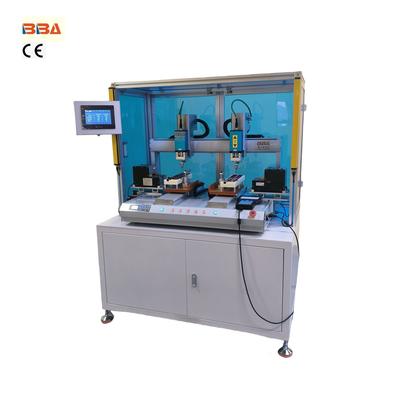
اسم المنتج الصناعات المناسبة آلة تركيب البراغي الذكية تجميع الإلكترونيات في صناعة السيارات أفضل الممارسات لإعداد خط براغي آلي body { font-family: Arial, sans-serif; line-height: 1.6; margin: 20px; } h1 { color: #2c3e50; font-size: 28px; margin-bottom: 20px; } h2 { color: #34495e; font-size: 22px; margin-top: 25px; margin-bottom: 15px; } p { margin-bottom: 15px; text-align: justify; } ul { margin-bottom: 15px; padding-left: 20px; } li { margin-bottom: 8px; } strong { color: #16a085; } أفضل الممارسات لإعداد خط براغي آلي في مجال الأتمتة الصناعية، يمثل تنفيذ خط آلي لربط البراغي خطوة كبيرة نحو تعزيز كفاءة الإنتاج، وضمان جودة منتج متسقة، وتقليل التكاليف التشغيلية. يقلل خط البراغي الآلي المُعد بشكل صحيح من الأخطاء البشرية، ويخفف الضغط الإرجونومي على العمال، ويسرع دورات التجميع. ومع ذلك، تحقيق هذه الفوائد يتطلب تخطيطًا وتنفيذًا دقيقين. تقدم هذه المقالة أفضل الممارسات الأساسية لإعداد نظام قوي وموثوق لأتمتة تركيب البراغي. 1. التحليل الشامل للعملية والتخطيط قبل اختيار أي معدات، يعد التحليل الشامل لعملية التجميع الحالية أمرًا بالغ الأهمية. حدد مهام الربط الخاصة، بما في ذلك أنواع البراغي المستخدمة (الطول، القطر، شكل الرأس)، وقيم عزم الدوران المطلوبة، وإمكانية الوصول إلى نقاط الربط. ضع في الاعتبار حجم الإنتاج وأهداف وقت الدورة. يساعد رسم خريطة للعملية بأكملها في تحديد المستوى الأمثل للأتمتة - سواء كان خلية ذات محطة واحدة، أو نظام متعدد المحاور، أو خط روبوتي متكامل بالكامل هو الأنسب. هذه الخطوة الأساسية تمنع الأخطاء المكلفة وتضمن أن حل الأتمتة يتوافق تمامًا مع أهداف الإنتاج. 2. اختيار المعدات المناسبة اختيار الأجهزة المناسبة أمر بالغ الأهمية. المكونات الأساسية تشمل عادةً مغذيات البراغي الآلية، ومفكات البراغي الكهربائية أو الهوائية، وفي كثير من الأحيان، ذراع روبوتي أو نظام ديكارتي للتحديد. معايير الاختيار الرئيسية هي: مغذي البراغي: اختر نموذج مغذي يتعامل بشكل موثوق مع نوع البرغي الخاص بك دون أن يعلق. مغذيات الوعو شائعة، ولكن أنظمة التغذية المرنة بالشريط يمكن أن تكون ممتازة للبراغي الصغيرة أو الحساسة. مفك البراغي: اختر مفكًا قادرًا على تقديم تحكم دقيق ومتكرر في عزم الدوران. تفضل المفكات الكهربائية لدقتها وقدرات تسجيل البيانات، وهي ضرورية لإمكانية التتبع في التطبيقات الحرجة من حيث الجودة. نظام التحديد: الاختيار بين الأتمتة الثابتة المخصصة والروبوت القابل للبرمجة يعتمد على تنوع الأجزاء. للإنتاج متنوع التركيبات، يقدم روبوت بـ6 محاور مرونة لا مثيل لها للوصول إلى نقاط متعددة. 3. ضمان عرض الجزء واستقرار التثبيت نظام الأتمتة جيد فقط مثل الجزء الذي يعمل عليه. يجب تقديم قطعة العمل إلى وحدة تركيب البراغي في وضع متكرر للغاية ومستقر. استثمر في أدوات التثبيت والقوالب الدقيقة التي تثبت المكون بشكل آمن، مما يمنع أي حركة أثناء عملية الربط. بالنسبة للخطوط القائمة على الناقلات، تأكد من التحديد الدقيق عبر التوقفات الميكانيكية أو أنظمة التوجيه بالرؤية. الأجزاء غير المستقرة يمكن أن تؤدي إلى براغي مُدارة بشكل خاطئ، أو تعرج في الخيوط، أو تلف في المنتج والمعدات. 4. التكامل الدقيق للنظام والمعايرة التكامل يتضمن مزامنة مغذي البراغي، والمفك، ونظام التحديد في وحدة متماسكة. انتبه closely لمحاذاة بين رأس المفك والبرغي المقدم من المغذي. حتى سوء المحاذاة الطفيف يمكن أن يسبب فشل في الالتقاط. معاير إعدادات عزم الدوران لكل نوع برغي وفقًا للمواصفات الهندسية وأجرِ اختبارات مكثفة لإنشاء سرعة وعمق مثاليين للمفك. تنفيذ أجهزة استشعار للتحقق - مثل أجهزة استشعار الوجود لتأكيد التقاط البرغي وأجهزة مراقبة عزم الدوران للتحقق من الضيق - هو ممارسة غير قابلة للتفاوض لتحقيق إنتاج خالي من العيوب. 5. الصيانة القوية وتدريب المشغلين خط البراغي الآلي هو استثمار طويل الأجل يتطلب رعاية استباقية للحفاظ على الأداء الأمثل. أنشئ جدول صيانة منتظم يتضمن تنظيف وعاء المغذي والمسارات، وفحص رؤوس المفك للتآكل، والتحقق من معايرة عزم الدوران. علاوة على ذلك، درّب فنيي الصيانة ومشغلي الخط بشكل شامل على كيفية تشغيل النظام، وأداء استكشاف الأخطاء وإصلاحها الأساسية، وتحديد العلامات المبكرة للمشاكل المحتملة مثل انسدادات المغذي أو انخفاض دقة عزم الدوران. الموظفون المخولون أمر بالغ الأهمية لتقليل وقت التوقف وضمان التشغيل المستمر. الخلاصة تنفيذ خط براغي آلي للربط هو استراتيجية قوية للتصنيع الحديث. من خلال الالتزام بهذه أفضل الممارسات - من التخطيط الأولي الصارم واختيار المعدات إلى التثبيت المستقر، والمعايرة الدقيقة، والصيانة الدؤوبة - يمكن للشركات بناء نظام يوفر موثوقية وجودة وإنتاجية لا مثيل لها. خط البراغي الآلي المصمم جيدًا لا يبسط التجميع فحسب، بل يصبح أيضًا حجر الزاوية لعملية تصنيع أكثر كفاءة وقدرة على المنافسة.
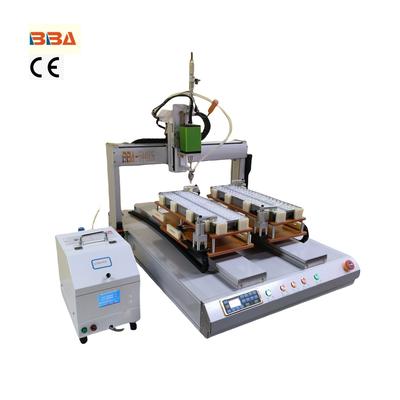
في عالم الأتمتة الصناعية، تمثل آليات تغذية البراغي مكونًا حاسمًا ولكنه غالبًا ما يتم تجاهله في أنظمة التجميع. هذه الآليات مسؤولة عن تقديم المسامير بدقة وكفاءة، مما يضمن تشغيل خطوط الإنتاج بسلاسة وبحد أدنى من التوقف. أحدثت الابتكارات الحديثة في هذا المجال تحسينًا كبيرًا في موثوقية وسرعة ومرونة أنظمة تغذية البراغي، مما جعلها أكثر تكيفًا مع المتطلبات المتطورة للتصنيع الحديث. أحد أبرز التطورات هو تطوير أنظمة تغذية البراغي الذكية الموجهة بالرؤية. غالبًا ما تعتمد الأنظمة التقليدية على الطرق الميكانيكية أو الهوائية لتوجيه وتغذية البراغي، والتي يمكن أن تكون عرضة للانسداد أو التغذية الخاطئة، خاصة مع المسامير الأصغر أو غير القياسية. تتضمن الأنظمة الحديثة كاميرات عالية الدقة وخوارزميات التعلم الآلي لتحديد方向和 كل برغى والتحقق منه بصريًا قبل تقديمه إلى الروبوت أو أداة التجميع. يقلل هذا الفحص البصري بشكل كبير من معدلات الخطأ ويسمح بالتعامل مع مجموعة wider variety من أنواع وأحجام البراغي دون الحاجة إلى تغييرات ميكانيكية مكلفة. يمكن للنظام التكيف على الفور مع المسامير الجديدة ببساطة عن طريق تحديث معلمات برنامجه، مما يوفر مرونة لا مثيل لها لبيئات الإنتاج عالية المزيج. علاوة على ذلك، أدت التطورات في تقنيات القيادة والاهتزاز إلى عمليات تغذية أكثر كفاءة ولطفًا. تستخدم مغذيات الوعاء الجديدة أنماط اهتزاز مُحسَّنة ومواد سطحية تقلل من التلامس بين القطع وتقلل من خطر التلف لنهائيات أو خيوط البراغي الحساسة. هذا أمر بالغ الأهمية خاصة في industries مثل تصنيع الأجهزة الإلكترونية أو الطبية، حيث يمكن أن تؤدي الخدشة البسيطة إلى فشل المنتج. بالإضافة إلى ذلك، يسمح دمج محركات سيرفو ذات الدفع المباشر محل محركات الكهرومغناطيسية التقليدية بتحكم أدق في حركة التغذية. يؤدي هذا إلى تشغيل أكثر هدوءًا، واستهلاك أقل للطاقة، والقدرة على جرع البراغي بدقة بسرعات عالية جدًا، بما يتطابق مع وتيرة خطوط التجميع السريعة اليوم. تمثل الاتصال وتحليل البيانات frontier آخر للابتكار. تم تجهيز أحدث آليات تغذية البراغي الآن بأجهزة استشعار IoT تراقب مقاييس الأداء الرئيسية مثل معدل التغذية، وتكرار الانسداد، وعزم المحرك في الوقت الفعلي. يتم بث هذه البيانات إلى نظام مركزي للمراقبة حيث يمكن تحليلها للتنبؤ باحتياجات الصيانة قبل حدوث عطل. على سبيل المثال، يمكن أن تشير الزيادة التدريجية في مقاومة المحرك إلى الحاجة إلى تنظيف الوعاء أو تآكل المكونات، مما يسمح بالتدخل الاستباقي خلال فترات التوقف المخطط لها. هذا التحول من الصيانة التفاعلية إلى التنبؤية لا يمنع فقط توقفات الخطوط المكلفة ولكن أيضًا يمدد العمر التشغيلي للمعدات، مما يوفر عائدًا كبيرًا على الاستثمار. أخيرًا، أدى السعي towards مزيد من المرونة إلى ظهور تصاميم تغذية براغي معيارية ورشيقة. بدلاً من أنظمة التغذية المركزية الكبيرة، تتبنى الشركات المصنعة وحدات لامركزية مضغوطة يمكن وضعها مباشرة عند نقطة الاستخدام على خط التجميع. هذه الوحدات النمطية أسهل في التكامل ويمكن تبديلها أو إعادة تكوينها بسرعة لمنتجات مختلفة. يدعم هذا النهج المعياري اتجاه التصنيع الرشيق والتخصيص على نطاق واسع، مما يسمح للمصانع بالتحول بسرعة between منتجات مختلفة دون إيقاف الإنتاج لإعادة التجهيز المكثفة. في الختام، تقوم الابتكارات في آليات تغذية البراغي بتحويل أتمتة التجميع fundamentally. من خلال دمج رؤية الآلة، وأنظمة الدفع المتقدمة، واتصال IoT، والتصميم المعياري، أصبحت هذه الأنظمة أكثر ذكاءً وكفاءة وقابلية للتكيف. هذه التحسينات ضرورية للشركات المصنعة التي تسعى إلى تعزيز الإنتاجية، وتحسين جودة المنتج، والحفاظ على ميزة تنافسية في مشهد صناعي ديناميكي. اسم المنتج الصناعات المُنطبقة مثبت البراغي CNC خطوط تجميع الأدوات الكهربائية
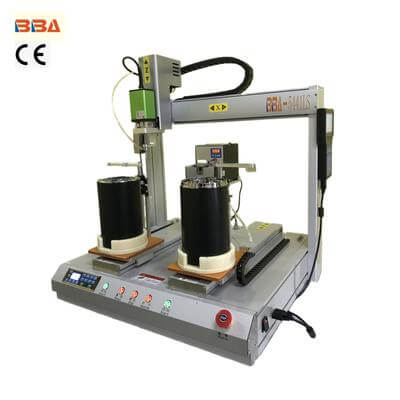
اسم المنتج الصناعات المناسبة روبوت مفك البراغي المؤازر تجميع الإلكترونيات للسيارات مكونات آلة تجميع البراغي الأوتوماتيكية بالكامل تُعد آلات تجميع البراغي الأوتوماتيكية بالكامل أساسية في التصنيع الحديث، حيث تقدم الدقة والسرعة والموثوقية. تعمل هذه الآلات على تبسيط عملية التجميع من خلال دفع البراغي تلقائياً إلى المنتجات دون تدخل بشري. فهم المكونات الرئيسية لهذه الأنظمة يمكن أن يساعد الشركات في تحسين خطوط الإنتاج وزيادة الكفاءة. 1. مغذي البراغي: مسؤول عن تزويد البراغي لأداة القيادة. يستخدم الاهتزازات أو الحركة الدورانية لتوجيه ونقل البراغي من التزويد السائب إلى آلية القيادة. وهذا يضمن تدفقاً مستمراً ومنتظماً للبراغي، مما يقلل من وقت التوقف. 2. أداة قيادة البراغي: هذا المكون هو قلب الآلة. يتكون من مفك موتور يلتقط البراغي من المغذي ويشددها في المنتج. الأداة قابلة للتعديل لعزم الدوران والعمق، مما يضمن دفع كل برغي بدقة. 3. وحدة التحكم: تعمل وحدة التحكم كعقل النظام. تدير عمل المغذي وأداة القيادة، وتراقب الأداء، وتسمح للمستخدمين بتعيين معايير مثل عدد البراغي وعزم الدوران والسرعة. قد تتضمن وحدات التحكم المتقدمة واجهات شاشة لمس لتشغيل سهل. 4. نظام الرؤية: العديد من الآلات الحديثة تتضمن أنظمة رؤية للتحقق من وضع البراغي. الكاميرات وأجهزة الاستشعار تكشف عن البراغي غير المحاذية أو المفقودة، مما يضمن مراقبة الجودة ويقلل من الأخطاء في عملية التجميع. 5. نظام الناقل: للإنتاج المتسلسل، ينقل نظام الناقل المنتجات عبر محطة التجميع. يتزامن مع أداة قيادة البراغي لضمان التموضع الدقيق والمعالجة الفعالة. 6. ميزات السلامة: تتضمن الآلات الأوتوماتيكية بالكامل آليات سلامة مثل أزرار التوقف الطارئ وواقيات الحماية وأجهزة الاستشعار لمنع الحوادث وحماية المشغلين. من خلال دمج هذه المكونات، تعزز آلات تجميع البراغي الأوتوماتيكية بالكامل الإنتاجية، وتقلل من تكاليف العمالة، وتضمن جودة متسقة. تُستخدم على نطاق واسع في صناعات مثل الإلكترونيات والسيارات وتصنيع السلع الاستهلاكية. الاستثمار في نظام أوتوماتيكي جيد التصميم لتجميع البراغي يمكن أن يعزز بشكل كبير قدراتك الإنتاجية ويساعدك على البقاء competitivo في المشهد الصناعي سريع الخطى.