8618566785362 8618566785362 8618566785362 phoenix08@bbamachine.com
- All
- Product Name
- Product Keyword
- Product Model
- Product Summary
- Product Description
- Multi Field Search

body { font-family: Arial, sans-serif; line-height: 1.6; color: #333; margin: 20px; } h1 { color: #2c3e50; font-size: 28px; margin-bottom: 20px; } h2 { color: #34495e; font-size: 22px; margin-top: 25px; margin-bottom: 15px; } p { margin-bottom: 15px; text-align: justify; } ul { margin-bottom: 15px; padding-left: 20px; } li { margin-bottom: 8px; } strong { color: #16a085; } جدول الصيانة لأقصى وقت تشغيل في عالم الأتمتة الصناعية، يعتبر التوقف غير المخطط له أحد أكبر التهديدات للإنتاجية والربحية. يمكن أن تؤدي ساعة واحدة من توقف الإنتاج إلى خسائر مالية كبيرة وتعطيل سلاسل التوريد بأكملها. يكمن مفتاح تخفيف هذا الخطر ليس في الإصلاحات التفاعلية ولكن في نهج استباقي استراتيجي: جدول صيانة مُخطط بدقة مصمم لأقصى وقت تشغيل. الدور الحاسم للصيانة الاستباقية الصيانة التفاعلية، أو إصلاح المعدات فقط بعد فشلها، هي استراتيجية مكلفة وغير فعالة. تؤدي إلى أعطال غير متوقعة وإصلاحات طارئة وفترات طويلة من الخمول. في المقابل، يحول جدول الصيانة الاستباقي النموذج من الاستجابة للفشل إلى منع الفشل. تتضمن هذه الاستراتيجية فحوصات وخدمات واستبدال أجزاء مجدولة بانتظام بناءً على فترات زمنية أو بيانات استخدام المعدات الفعلية. الهدف الأساسي هو تحديد ومعالجة المشكلات المحتملة قبل أن تتصاعد إلى أعطال كبيرة، مما يضمن التشغيل المستمر ويحمي أصولك القيمة. العناصر الرئيسية لجدول صيانة فعال إنشاء جدول صيانة يعمل على زيادة وقت التشغيل إلى أقصى حد حقًا يتطلب أكثر من مجرد فحوصات عشوائية. يجب أن يكون وثيقة شاملة وديناميكية مصممة خصيصًا لعملية محددة. تحليل أهمية الأصول: ليست كل المعدات متساوية. ابدأ بتصنيف الآلات الخاصة بك بناءً على تأثيرها على الإنتاج. يجب أن تحظى الأصول الحرجة التي يؤدي فشلها إلى إيقاف الخطوط بأكملها بالأولوية مع إجراءات الصيانة الأكثر صرامة. الاستفادة من التقنيات التنبؤية: انتقل beyond الجداول الزمنية التقليدية من خلال دمج أدوات مراقبة الحالة. يمكن أن يوفر تحليل الاهتزاز والتصوير الحراري والاختبارات فوق الصوتية بيانات في الوقت الفعلي حول صحة المعدات، مما يسمح لك بإجراء الصيانة exactly عندما تكون هناك حاجة إليها - ليس مبكرًا جدًا، ولا أبدًا متأخرًا. قوائم المهام والإجراءات التفصيلية: يجب أن يكون لكل حدث صيانة مجدول قائمة مرجعية واضحة للمهام، من الفحوصات البصرية والتشحيم إلى المعايرة واستبدال المكونات. توحيد هذه الإجراءات يضمن الاتساق والاكتمال، ولا يترك مجالًا للخطأ. إدارة الأجزاء والمخزون: الجدول الزمني عديم الفائدة إذا لم تكن الأجزاء المطلوبة متاحة. خطط للصيانة حول مخزون مُدار جيدًا من قطع الغيار الحرجة لتجنب فترات الانتظار التي تمدد وقت التوقف. التوثيق والتحسين المستمر: يجب تسجيل كل إجراء صيانة. هذه البيانات التاريخية لا تقدر بثمن لتتبع أداء الأصول وتحديد المشاكل المتكررة وتحسين الجداول المستقبلية لتصبح أكثر فعالية. التنفيذ وأفضل الممارسات تنفيذ استراتيجية صيانة جديدة هو تحول ثقافي يتطلب القبول من جميع مستويات المنظمة. ابدأ بتجربة الجدول على خطوط إنتاج حرجة قليلة لإثبات قيمته. استخدم أنظمة إدارة الصيانة المحوسبة (CMMS) الحديثة لأتمتة أوامر العمل وتتبع التاريخ وإدارة الموارد بكفاءة. الأهم من ذلك، قم بتدريب الفنيين الخاصين بك thoroughly. يجب أن يفهموا "السبب" وراء الجدول وأن يكونوا مجهزين بالمهارات لأداء التشخيصات والإجراءات المتقدمة. أخيرًا، راجع وضبط الجدول بانتظام. تتغير متطلبات الإنتاج، والتكنولوجيا تتطور، وخطة الصيانة الخاصة بك يجب أن تكون ديناميكية بما يكيف للتكيف. النتيجة: إنتاجية مستدامة وقيمة طويلة الأجل استثمار الوقت والموارد في تطوير جدول صيانة منضبط يؤدي إلى عوائد هائلة. الفائدة الأكثر فورية هي انخفاض كبير في التوقف غير المخطط له، مما يؤدي إلى زيادة الفعالية الشاملة للمعدات (OEE)، وزيادة الإنتاج، وأوقات تسليم أكثر موثوقية. علاوة على ذلك، تعمل المعدات جيدة الصيانة بكفاءة أكبر، وتستهلك طاقة أقل وتقلل التكاليف التشغيلية. كما أنها تمدد العمر الإنتاجي لاستثماراتك الرأسمالية، مما يؤجل عمليات الاستبدال المكلفة. في النهاية، جدول الصيانة القوي ليس مصروفًا؛ إنه حجر الزاوية الاستراتيجي لبناء عملية تصنيع مرنة وقابلة للمنافسة وربحية. اسم المنتج الصناعات المناسبة مغذي البراغي التلقائي صناعة إضاءة LED
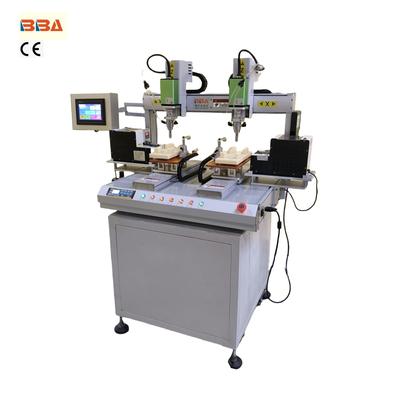
body { font-family: Arial, sans-serif; line-height: 1.6; margin: 20px; color: #333; } h1 { color: #0056b3; font-size: 28px; margin-bottom: 20px; } h2 { color: #003366; font-size: 22px; margin-top: 25px; margin-bottom: 15px; } p { margin-bottom: 15px; text-align: justify; } ul { margin-top: 10px; margin-bottom: 15px; padding-left: 20px; } li { margin-bottom: 8px; } .highlight { background-color: #f0f8ff; padding: 15px; border-radius: 5px; margin: 20px 0; } .keyword { font-weight: bold; color: #0056b3; } الخدمات ذات القيمة المضافة مع أنظمة متعددة المحاور في المشهد سريع التطور للأتمتة الصناعية، تقف أنظمة التحكم في الحركة متعددة المحاور كحجر زاوية في التصنيع الحديث. هذه الأنظمة المتطورة، التي تنسق الحركة عبر عدة محاور في وقت واحد، تحدث ثورة في كيفية أداء المهام المعقدة بدقة وكفاءة لا مثيل لهما. ومع ذلك، فإن القوة الحقيقية لهذه الأنظمة لا تُفتح فقط من خلال الأجهزة نفسها، ولكن من خلال مجموعة شاملة من الخدمات ذات القيمة المضافة التي تضمن الأداء الأمثل، Longevity، وعائد سريع على الاستثمار. ما وراء الأجهزة: الدور الحاسم للتكامل نشر نظام متعدد المحاور هو أكثر من مجرد عملية بسيطة للتوصيل والتشغيل. التعقيد المتضمن في تزامن المحركات، ومشغلات الحركة، وأجهزة التحكم يتطلب تكامل نظام خبير. تضمن خدمات التكامل الاحترافية أن جميع المكونات تعمل في انسجام تام، مصممة خصيصًا لتطبيقك الفريد - سواء كان تجميعًا روبوتيًا معقدًا، أو تغليفًا عالي السرعة، أو تشغيل آلات دقيق. تخفف هذه الخدمة الأساسية من المخاطر، وتقلل وقت البدء، وتضمن أن النظام يعمل بقدراته المحددة من اليوم الأول. البرمجة المخصصة وهندسة التطبيقات كل عملية تصنيع لها متطلباتها المميزة. غالبًا ما تفتقر حلول البرمجيات الجاهزة إلى معالجة التحديات المحددة. هنا تصبح البرمجة المخصصة وهندسة التطبيقات لا تقدر بثمن. يمكن للمتخصصين تطوير روتينات برمجية مخصصة تعمل على تحسين تخطيط المسار، وتقليل أوقات الدورة، وتنفيذ ملفات حركة معقدة. يعزز هذا المستوى العميق من التخصيص المرونة، مما يسمح بتنفيذ مهام متخصصة للغاية توفر ميزة تنافسية كبيرة. تشمل الخدمات الرئيسية ذات القيمة المضافة: تصميم نظام شامل ومحاكاة: النمذجة الافتراضية للنظام بأكمله للتنبؤ بالأداء، وتحديد المشكلات المحتملة، والتحقق من صحة المفاهيم قبل التنفيذ المادي. تدريب متقدم ونقل المعرفة: تمكين القوى العاملة لديك بالمهارات اللازمة لتشغيل النظام وصيانته واستكشاف الأخطاء وإصلاحها بشكل فعال، مما يزيد إلى أقصى حد من وقت التشغيل والإنتاجية. الصيانة الاستباقية والتشخيص عن بعد: استخدام التكنولوجيا المتصلة لمراقبة صحة النظام، والتنبؤ باحتياجات الصيانة، وغالبًا حل المشكلات عن بُعد، مما يمنع توقفًا غير مخطط له مكلف. الدعم الفني وإدارة دورة الحياة: تقديم المساعدة المستمرة، من استكشاف الأخطاء وإصلاحها إلى الترقيات، مما يضمن تطور نظامك جنبًا إلى جنب مع احتياجات الإنتاج الخاصة بك والتطورات التكنولوجية. دفع التميز التشغيلي والتأقلم مع المستقبل الاستثمار في نظام متعدد المحاور كبير، وحماية هذا الاستثمار أمر بالغ الأهمية. الخدمات ذات القيمة المضافة هي المفتاح للتأقلم مع المستقبل لأصول الأتمتة الخاصة بك. من خلال الدعم المستمر والتحديثات، يمكن لنظامك التكيف مع المنتجات والعمليات والتقنيات الجديدة. يحول هذا النهج النفقات الرأسمالية إلى شراكة استراتيجية طويلة الأجل تركز على دفع التميز التشغيلي المستمر، وتعزيز الفعالية الشاملة للمعدات (OEE)، والحفاظ على قوة bottom line. في الختام، بينما توفر الأنظمة متعددة المحاور الوسائل الميكانيكية لتحقيق أتمتة متقدمة، إلا أن طبقة الخدمات ذات القيمة المضافة هي التي توفر حقًا إمكاناتها الموعودة. تضمن هذه الخدمات تكاملاً سلسًا، وتشغيلاً مخصصًا، وأداءً مستدامًا، وتحول التكنولوجيا المتطورة إلى محرك موثوق وقوي لنجاحك التصنيعي. اسم المنتج الصناعات المعنية روبوت غلق البراغي تجميع معدات الاتصالات
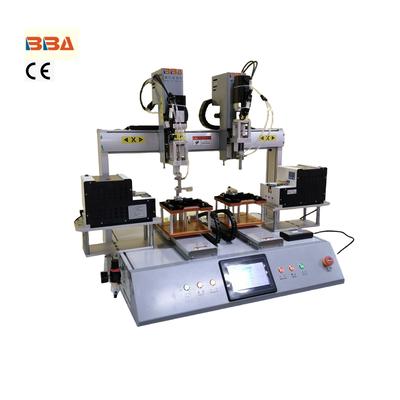
اسم المنتجالصناعات المناسبةآلة تركيب البراغي الذكيةإنتاج ألعاب وأجهزة ألعاب الفيديودمج التطبيق والتركيب الآلي للبراغيفي المشهد سريع التطور للأتمتة الصناعية، أصبح دمج عمليات متعددة في عملية واحدة مبسطة استراتيجية رئيسية لتعزيز الكفاءة والدقة والإنتاجية. أحد أكثر عمليات الدمج تأثيرًا هو الجمع بين تقنيات التطبيق والتركيب الآلي للبراغي. لا يحقق هذا التآزر تحسينًا لسير عمل التصنيع فحسب، بل يفتح أيضًا آفاقًا جديدة للابتكار وضمان الجودة.تستخدم أنظمة التطبيق على نطاق واسع في صناعات مثل الإلكترونيات والسيارات والسلع الاستهلاكية لتطبيق المواد اللاصقة والمواد السادة ومواد التشحيم وغيرها من المواد بدقة عالية. في الوقت نفسه، يقوم التركيب الآلي للبراغي بأتمتة عملية الربط، مما يضمن عزم دوران متسق ويقلل من خطر الأخطاء البشرية. من خلال دمج هاتين الوظيفتين في وحدة متماسكة، يمكن للمصنعين تحقيق عملية تجميع سلسة تقلل من المعالجة وتقلل أوقات الدورة وتحسن موثوقية المنتج بشكل عام.فوائد الدمجيقدم دمج التطبيق والتركيب الآلي للبراغي عدة مزايا مقنعة. أولاً، يلغي الحاجة إلى محطات عمل منفصلة، مما يوفر مساحة أرضية قيمة ويقلل نقل المواد بين المراحل. يؤدي هذا الدمج إلى خط إنتاج أكثر إحكاما وتكاليف تشغيل أقل.ثانيًا، يعزز دمج هذه العمليات الدقة والقابلية للتكرار. على سبيل المثال، في التطبيقات التي تستخدم فيها المواد اللاصقة جنبًا إلى جنب مع مثبتات ميكانيكية، يمكن للنظام الآلي أولاً تطبيق الكمية المطلوبة بدقة من المادة اللاصقة ثم يقوم فورًا بتركيب البرغي في مكانه. يضمن هذا الترابط الأمثل والربط دون تأخيرات أو اختلالات قد تحدث إذا كانت العمليات منفصلة.ثالثًا، يدعم هذا الدمج تحسين مراقبة الجودة. مع أجهزة الاستشعار وأنظمة الرؤية المدمجة غالبًا في معدات الأتمتة الحديثة، يمكن للنظام المجمع التحقق من وجود وتطبيق المواد اللاصقة بشكل صحيح، بالإضافة إلى مراقبة معلمات تركيب البراغي مثل عزم الدوران والعمق. يمكن اكتشاف أي انحرافات في الوقت الفعلي، مما يسمح بإجراء تصحيحات فورية ويقلل من احتمالية العيوب.التطبيقات عبر الصناعاتتجعل مرونة الدمج بين التطبيق والتركيب الآلي للبراغي مناسبه لمجموعة واسعة من التطبيقات. في صناعة الإلكترونيات، على سبيل المثال، يُستخدم لتجميع الأجهزة حيث يجب لصق وربط المكونات براغي لأمان إضافي ومقاومة الاهتزاز. يستخدم مصنعو السيارات هذه التكنولوجيا لتركيب الألواح الداخلية وأجهزة الاستشعار والوحدات الكهربائية التي تتطلب السداد والربط. وبالمثل، في إنتاج航空航天 والأجهزة الطبية، حيث تكون الدقة والموثوقية حرجة، تضمن الأنظمة المتكاملة الامتثال للمعايير الصارمة.علاوة على ذلك، تتيح مرونة الأتمتة الآلية التكيف السهل مع تصميمات المنتجات والأحجام المختلفة. سواء كان للإنتاج الضخم ذو الحجم الكبير أو الدفعات المخصصة ذات الحجم الصغير، يمكن برمجة النظام للتعامل مع أنماط تطبيق وأنواع براغي مختلفة مع وقت تغيير أدنى.النظرة المستقبليةمع استمرار الصناعات في تبني مبادئ التصنيع الذكي والصناعة 4.0، من المتوقع أن يصبح دمج التطبيق والتركيب الآلي للبراغي أكثر تطورًا. ستمكن التقدم في الذكاء الاصطناعي والتعلم الآلي من الصيانة التنبؤية والتحسين الذاتي ومزيد من الاستقلالية. بالإضافة إلى ذلك، فإن ظهور الروبوتات التعاونية (cobots) سيجعل هذه الأنظمة المتكاملة في متناول المؤسسات الصغيرة والمتوسطة، مما يعزز بشكل أكبر ديمقراطية الأتمتة المتقدمة.في الختام، يمثل الجمع بين التطبيق والتركيب الآلي للبراغي خطوة كبيرة إلى الأمام في الأتمتة الصناعية. من خلال توحيد هذه العمليات، يمكن للمصنعين تحقيق كفاءة أعلى وجودة منتج محسنة ومرونة أكبر. مع استمرار تطور التكنولوجيا، سيلعب هذا الدمج دون شك دورًا محوريًا في تشكيل مستقبل التصنيع.
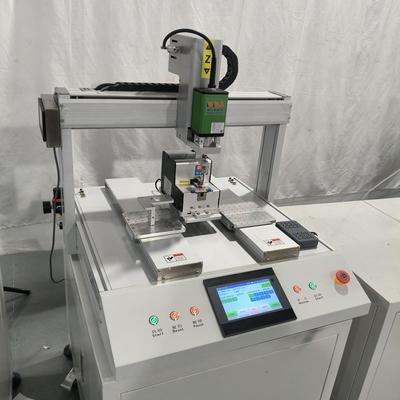
اسم المنتج الصناعات المُستهدفة روبوت مفك البراغي المكتبي صناعة إضاءة LED يشهد المشهد الصناعي العالمي تحولاً عميقاً مدفوعاً باعتماد متزايد لتقنيات الأتمتة. ومن بين هذه التقنيات، برزت أنظمة التثبيت الآلية كعنصر حاسم، أحدثت ثورة في عمليات التجميع عبر مختلف القطاعات. يشهد الطلب على هذه الأنظمة نمواً كبيراً، مدفوعاً بالحاجة إلى كفاءة أعلى، وجودة محسنة، وتكاليف تشغيل مخفضة. تضم أنظمة التثبيت الآلية مجموعة واسعة من الحلول، بما في ذلك تطبيقات براغي الروبوت، وتشغيل الصواميل، والربط الدقيق. تم تصميم هذه الأنظمة للتعامل مع المهام المتكررة بدقة واتساق لا مثيل لهما، مما يلغي الخطأ البشري ويعزز الإنتاجية الإجمالية. في صناعات مثل السيارات، والإلكترونيات، والفضاء، والسلع الاستهلاكية، أصبح دمج تكنولوجيا التثبيت الآلي ضرورياً للحفاظ على الميزة التنافسية. أحد المحركات الرئيسية وراء الطلب المتزايد هو السعي الدؤوب نحو الدقة. عمليات التثبيت اليدوية متغيرة بطبيعتها، مما يؤدي غالباً إلى عدم اتساق في تطبيق عزم الدوران، مما قد يهدد جودة المنتج وسلامته. ومع ذلك، تضمن الأنظمة الآلية تطبيق كل مادة تثبيت بالمواصفات الدقيقة، مما يقلل من خطر العيوب واستدعاء المنتجات. هذا المستوى من الموثوقية حاسم بشكل خاص في القطاعات حيث تكون السلامة والأداء في غاية الأهمية. عامل رئيسي آخر يساهم في زيادة الطلب هو الحاجة إلى القابلية للتوسع. مع تطور الأسواق وتقلب أحجام الإنتاج، تحتاج الشركات المصنعة إلى حلول مرنة يمكنها التكيف مع المتطلبات المتغيرة. تقدم أنظمة التثبيت الآلية المرونة للتعامل مع تصاميم منتجات متنعة ومعدلات إنتاج دون إعادة تكوين كبيرة. تسمح هذه القدرة على التكيف للشركات بالاستجابة بسرعة لمتطلبات السوق مع تحسين استخدام الموارد. نقص العمالة وتكاليف العمالة المتزايدة تدفعان أيضًا الصناعات إلى الاستثمار في الأتمتة. من خلال نشر أنظمة التثبيت الآلية، يمكن للشركات المصنعة تقليل اعتمادها على العمالة اليدوية، والتخفيف من تأثير تحديات القوى العاملة، وإعادة تخصيص الموارد البشرية للمهام ذات القيمة المضافة العالية. هذا التحول لا يحسن الكفاءة التشغيلية فحسب، بل يعزز أيضًا رضا الموظفين من خلال تقليل العمل المتكرر والمتطلب جسدياً. التقدم التكنولوجي يسرع بشكل أكبر من اعتماد أنظمة التثبيت الآلية. الابتكارات مثل الروبوتات الموجهة بالرؤية، التحكم الذكي في عزم الدوران، والمراقبة الممكنة بتقنية إنترنت الأشياء (IoT) رفعت قدرات هذه الأنظمة. جمع البيانات وتحليلها في الوقت الفعلي يمكّن الصيانة التنبؤية، يقلل من وقت التوقف، ويوفر رؤى قيمة لتحسين العمليات. هذه الميزات الذكية تحول التثبيت من مهمة روتينية إلى وظيفة استراتيجية داخل النظام البيئي التصنيعي. الدافع العالمي نحو الاستدامة يؤثر أيضًا على الطلب لحلول التثبيت الآلية. من خلال تحسين استخدام المواد وتقليل النفايات عبر التطبيق الدقيق، تساهم هذه الأنظمة في ممارسات تصنيع أكثر صداقة للبيئة. بالإضافة إلى ذلك، فإن كفاءة الطاقة للمعدات الآلية الحديثة تتماشى مع أهداف الاستدامة المؤسسية، مما يجعلها استثماراً جذاباً للمنظمات ذات التفكير المستقبلي. في الختام، الطلب العالمي على أنظمة التثبيت الآلية في طريقه لنمو مستمر حيث تدرك الصناعات فوائده المتعددة. من تعزيز الدقة والقابلية للتوسع إلى معالجة تحديات العمالة ودعم مبادرات الاستدامة، هذه الأنظمة integral لمستقبل التصنيع. مع استمرار تطور التكنولوجيا، سيلعب التثبيت الآلي دون شك دوراً محورياً أكثر في تشكيل عمليات صناعية فعالة، موثوقة، ومبتكرة في جميع أنحاء العالم.
body { font-family: Arial, sans-serif; line-height: 1.6; color: #333; margin: 20px; } h1 { color: #0056b3; font-size: 28px; margin-bottom: 15px; } h2 { color: #004a93; font-size: 22px; margin-top: 25px; margin-bottom: 10px; } p { margin-bottom: 15px; } ul, ol { margin-bottom: 15px; margin-left: 20px; } li { margin-bottom: 5px; } strong { color: #0056b3; } Cost-Benefit Analysis of Screw Locking Automation In the competitive landscape of modern manufacturing, efficiency, reliability, and cost control are paramount. One critical yet often overlooked process is screw locking—the application of thread-locking adhesives to fasteners to prevent loosening under vibration and stress. While traditionally a manual operation, automating this process presents a significant opportunity for operational improvement. This article provides a comprehensive cost-benefit analysis of implementing screw locking automation, highlighting the tangible and intangible advantages for manufacturing operations. Understanding the Initial Investment The decision to automate any process begins with a clear understanding of the initial capital expenditure. For screw locking automation, this includes the cost of the automated dispensing systems, which may range from benchtop units for lower-volume applications to fully integrated robotic cells for high-speed production lines. Additional costs often involve system integration into existing assembly workflows, potential facility modifications, and operator training programs. While this upfront investment can be substantial, it is crucial to view it through the lens of long-term return and total cost of ownership. Quantifying the Tangible Benefits and Cost Savings The financial advantages of automation are typically realized through direct cost savings and increased productivity. Key areas of impact include: Labor Cost Reduction: Manual screw locking is repetitive, time-consuming, and requires consistent operator attention. Automation significantly reduces the labor hours dedicated to this task, allowing personnel to be redeployed to higher-value, more complex operations, thereby optimizing labor costs. Enhanced Throughput and Yield: Automated systems operate at consistently high speeds without fatigue, directly increasing the throughput of your assembly line. Furthermore, they drastically reduce human error, such as missed fasteners or incorrect adhesive application. This improvement in first-pass yield minimizes costly rework, scrap, and potential field failures. Material Savings: Precision automated dispensers apply a consistent, measured amount of thread-locker every time. This eliminates the waste and variability associated with manual application, leading to direct savings on consumable material costs over time. Improved Quality and Reliability: The consistent application ensures every fastener is secured to the exact same specification, enhancing the overall quality and long-term reliability of the final product. This reduces warranty claims and protects brand reputation. Evaluating the Intangible Strategic Advantages Beyond the easily quantifiable savings, automation offers strategic benefits that strengthen a company's market position: Workplace Safety and Ergonomics: Automating a repetitive manual task reduces the risk of repetitive strain injuries among operators, creating a safer work environment and potentially lowering associated insurance costs. Production Scalability and Flexibility: Automated systems can be programmed for different products and batch sizes, providing the flexibility to adapt quickly to changing market demands and production schedules without significant retooling or retraining delays. Data and Traceability: Modern automation systems provide valuable data on the production process, including output counts, error rates, and material usage. This data is essential for process optimization, traceability, and continuous improvement initiatives. Conducting Your Own Analysis A thorough cost-benefit analysis for your specific operation should involve calculating the Total Cost of Ownership (TCO) of the automation system against the projected savings. Factor in the initial investment, ongoing maintenance costs, and the projected savings from labor, material, quality improvements, and reduced downtime. The payback period—the time it takes for the savings to equal the initial investment—is a key metric. For many companies, automation projects for processes like screw locking demonstrate a compelling ROI, with payback periods often achievable within a few years, followed by ongoing annual savings. In conclusion, while the path to automation requires careful planning and investment, the financial and operational benefits of automating the screw locking process are clear. From direct cost savings and quality enhancements to improved safety and scalability, the advantages contribute significantly to building a more efficient, reliable, and competitive manufacturing operation. A detailed, company-specific analysis is the most effective way to validate these benefits and build a strong business case for automation. Product Name Applicable industries Screw Locking Robot Electric Bicycle Assembly
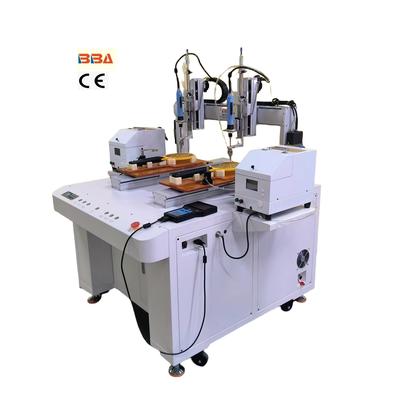
In the fast-paced world of manufacturing, efficiency and precision are paramount. One tool that has revolutionized assembly lines across industries is the automatic screw feeder. These systems are designed to streamline the screwdriving process, offering a multitude of benefits that directly impact productivity, quality, and operational costs. For any company involved in assembly or production, integrating automatic screw feeders is a significant step toward modernizing and optimizing their workflow. First and foremost, automatic screw feeders dramatically increase production speed. Manual screwdriving is a time-consuming and repetitive task prone to human fatigue. Operators must pick up each screw, position it, and drive it in—a process that slows down the entire line. Automatic feeders eliminate these steps by presenting screws correctly oriented and ready to be driven at the push of a button or trigger. This continuous feeding allows operators to focus on placement and activation, cutting cycle times and enabling a much higher output. In high-volume manufacturing environments, this boost in speed is a game-changer, allowing businesses to meet demanding deadlines and scale production effortlessly. Beyond speed, these systems greatly enhance consistency and product quality. Human operators can make mistakes—cross-threading, over-torquing, or under-torquing screws are common issues that lead to product defects, rework, and potential failures. Automatic screw feeders are often integrated with precision electric or pneumatic screwdrivers that apply a pre-set torque consistently for every single screw. This ensures every joint is perfectly fastened according to specifications, drastically reducing the defect rate. The result is a more reliable final product, improved customer satisfaction, and a stronger brand reputation for quality. Another critical advantage is the notable improvement in worker safety and ergonomics. Repetitive strain injuries (RSIs) in the wrists, hands, and shoulders are a significant concern for workers performing manual screwdriving tasks thousands of times a day. Automatic feeders reduce the repetitive motions of picking and positioning screws, minimizing physical strain and the risk of RSIs. This leads to a healthier, more comfortable workforce, lower absenteeism, and reduced costs associated with workplace injuries. Furthermore, it boosts operator morale, as employees can engage in more value-added and less monotonous work. From a cost perspective, the investment in automatic screw feeding technology quickly pays for itself. While there is an initial capital outlay, the returns are substantial. The combination of higher throughput, reduced labor costs per unit, fewer defects requiring rework or scrap, and lower costs from injury-related downtime contributes to a very attractive return on investment (ROI). Additionally, these systems help reduce material waste by ensuring screws are not dropped or lost during handling, contributing to a leaner and more cost-effective operation. Finally, automatic screw feeders offer remarkable flexibility. Modern systems can be configured to handle a wide variety of screw sizes and types, from tiny M1 screws to larger fasteners. They can be mounted on benches, integrated into automated assembly robots, or even used in portable units for larger products. This adaptability makes them suitable for a diverse range of applications, from electronics and automotive assembly to consumer appliances and medical device manufacturing. In conclusion, the benefits of using automatic screw feeders in manufacturing are clear and compelling. They are not merely a convenience but a strategic tool for any business seeking a competitive edge. By delivering unmatched speed, unwavering consistency, enhanced workplace safety, and a strong financial return, automatic screw feeders have become an indispensable component of the modern, efficient, and high-quality manufacturing floor. Product Name Applicable industries Auto Screwdriver Machine Smart Wearables Production
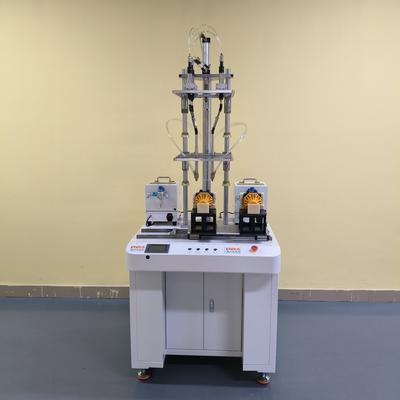
Product Name Applicable industries Servo Screwdriver Robot Electric Bicycle Assembly body { font-family: Arial, sans-serif; line-height: 1.6; margin: 20px; } h2 { color: #2c3e50; } h3 { color: #3498db; margin-top: 20px; } p { margin-bottom: 15px; } ul { margin-bottom: 15px; padding-left: 20px; } li { margin-bottom: 8px; } strong { color: #e74c3c; } How to Train Staff on Screw Tightening Machines Effective training is crucial for maximizing productivity, ensuring product quality, and maintaining a safe working environment when using industrial screw tightening machines. A well-trained operator can significantly reduce error rates, minimize machine downtime, and prevent costly rework. This guide outlines a comprehensive approach to training your staff on these essential pieces of equipment. 1. Foundational Knowledge: The Theory Behind the Tool Before an operator ever touches a machine, they must understand the fundamental principles. Begin with classroom-style sessions covering: The Importance of Precision: Explain how correct torque and angle directly impact product integrity, safety, and performance. Machine Components: Break down the key parts of the screw tightening machine, including the controller, motor, spindle, and tooling. Key Terminology: Ensure everyone is fluent in terms like torque (Nm, lbf-in), angle, yield, and rundown. Clarify the difference between hard joints and soft joints. Error Codes & Diagnostics: Introduce common error messages and their meanings. This empowers operators to understand what the machine is communicating. 2. Hands-On Practical Training Theoretical knowledge must be cemented with practical, supervised experience. This phase should be conducted in a controlled training environment. Machine Setup & Changeover: Train staff on how to safely install and change bits, adjust fixtures, and select the correct program for a specific task. Running a Cycle: Demonstrate the entire process, from placing the component and positioning the tool to initiating the tightening cycle. Emphasize ergonomic handling to prevent strain. Verification and Quality Control: Show operators how to verify a successful tightening cycle using the machine's data output. Introduce them to using manual torque testers for periodic audits. Basic Troubleshooting: Guide them through resolving common issues like cross-threading, missed screws, or error alarms. Teach them the "stop, assess, report" procedure for more complex faults. 3. Emphasizing Safety Above All Else Safety training is non-negotiable. Every operator must be aware of the potential hazards. Personal Protective Equipment (PPE): Mandate and provide safety glasses, hearing protection, and gloves where appropriate. Pinch Points and Ergonomics: Clearly identify all machine pinch points. Train on proper posture and handling techniques to avoid repetitive strain injuries. Emergency Procedures: Ensure everyone knows the location and operation of emergency stop buttons and understands lockout/tagout (LOTO) procedures for maintenance. 4. Leveraging Technology for Enhanced Learning Modern screw tightening machines are data-rich. Use this to your advantage. Data Monitoring: Train supervisors and operators on how to interpret process data and histograms. This turns abstract concepts into visible results, showing the spread of torque values and identifying out-of-spec results. Simulation Mode: Utilize the machine’s simulation or training mode to allow practice without consuming actual components or affecting production statistics. 5. Documentation and Continuous Improvement Training should not be a one-time event. Create a culture of continuous learning. Create Accessible SOPs: Develop clear, visual Standard Operating Procedures (SOPs) that are readily available at the workstation. Certification Program: Implement a formal certification process where operators must demonstrate competency in both theory and practice to be qualified to use the machine independently. Refresher Courses: Schedule periodic refresher training to address bad habits, introduce new features, and reinforce safety protocols. Investing in a structured, multi-stage training program for screw tightening machines is an investment in your company's efficiency, quality, and most importantly, the safety of your workforce. By building a foundation of knowledge, providing ample hands-on practice, and fostering a culture of continuous improvement, you will empower your operators to become proficient and valuable contributors to your production process.
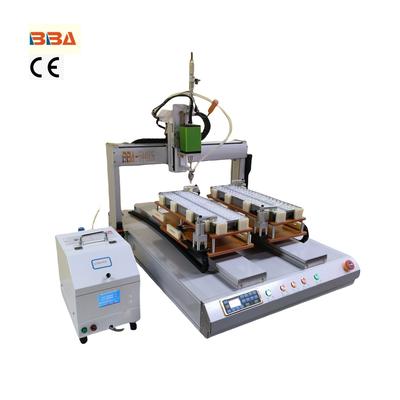
Product Name Applicable industries CNC Screw Fastener PCB and Circuit Board Assembly body { font-family: Arial, sans-serif; line-height: 1.6; color: #333; margin: 20px; } h1 { color: #0056b3; font-size: 28px; margin-bottom: 20px; } h2 { color: #003366; font-size: 22px; margin-top: 25px; margin-bottom: 15px; } p { margin-bottom: 15px; text-align: justify; } ul { margin-bottom: 15px; padding-left: 20px; } li { margin-bottom: 8px; } .highlight { background-color: #f5f5f5; padding: 15px; border-radius: 5px; margin: 20px 0; } Intelligent Feeding Systems for Continuous Fastening In the realm of industrial automation, efficiency and precision are paramount. The advent of Intelligent Feeding Systems has revolutionized the way manufacturing and assembly lines handle continuous fastening processes. These advanced systems are designed to streamline operations, reduce downtime, and enhance overall productivity by ensuring a seamless and reliable supply of fasteners such as screws, bolts, and rivets to automated tools. The Core Technology Behind Intelligent Feeding Intelligent Feeding Systems integrate sophisticated technologies to deliver fasteners with unparalleled accuracy and speed. At the heart of these systems are high-precision vibratory bowls or centrifugal feeders that orient and feed components correctly. Coupled with advanced sensors and vision systems, they can detect and reject defective or misoriented parts in real-time, preventing jams and ensuring only perfect fasteners reach the point of use. Modern systems are equipped with IoT connectivity and data analytics capabilities. This allows for continuous monitoring of feeding performance, predictive maintenance alerts, and remote troubleshooting. By analyzing data on feed rates, jam occurrences, and component quality, these systems can self-optimize, reducing unplanned stoppages and maintenance costs significantly. Key benefits of implementing an Intelligent Feeding System include a dramatic reduction in manual intervention, a decrease in fastener waste, and a substantial improvement in the overall equipment effectiveness (OEE) of the production line. Enhancing Flexibility and Scalability Today's manufacturing demands require systems that are not only efficient but also highly adaptable. Intelligent Feeding Systems are designed with modularity in mind, allowing for quick changeovers between different fastener types and sizes. This flexibility is crucial for production lines that handle high-mix, low-volume batches, enabling manufacturers to respond swiftly to changing market demands without costly retooling or extended downtime. Scalability is another critical advantage. Whether integrated into a single workstation or a complex multi-station assembly cell, these systems can be easily expanded or reconfigured. This ensures that as production volumes grow or new product lines are introduced, the feeding technology can grow accordingly, protecting the initial investment and future-proofing the operation. Driving Quality and Consistency Consistent quality in fastening is non-negotiable for product integrity and safety. Intelligent Feeding Systems play a pivotal role in achieving this by guaranteeing that the right fastener is delivered at the right time and in the correct orientation. This eliminates human error and variability, leading to a dramatic reduction in defects related to missed, cross-threaded, or improperly torqued fasteners. The integration of these systems with smart electric torque tools further enhances quality control. The feeding system can communicate directly with the tool, providing data on the fastener being delivered and confirming its specifications. This closed-loop process ensures every joint is completed to exact engineering specifications, with all data recorded for full traceability and compliance. In conclusion, Intelligent Feeding Systems for continuous fastening are no longer a luxury but a necessity for modern industrial automation. They represent a significant leap forward in creating smarter, more connected, and more efficient manufacturing environments. By investing in this intelligent technology, companies can secure a formidable competitive advantage through superior productivity, unmatched quality, and remarkable operational agility.