8618566785362 8618566785362 8618566785362 phoenix08@bbamachine.com
- All
- Product Name
- Product Keyword
- Product Model
- Product Summary
- Product Description
- Multi Field Search

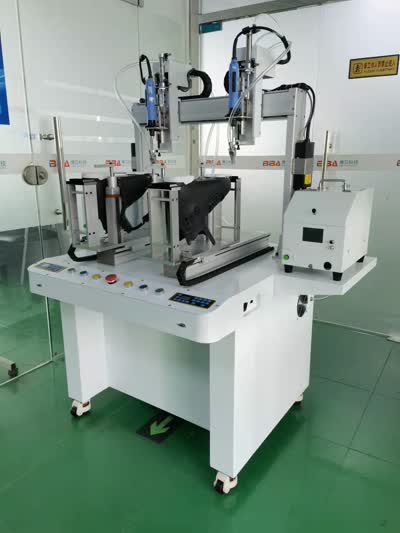
.body-style { font-family: Arial, sans-serif; line-height: 1.6; color: #333; margin: 20px; } .h2-style { color: #0056b3; font-size: 24px; margin-top: 20px; margin-bottom: 10px; } .p-style { margin-bottom: 15px; } .strong-style { color: #0056b3; font-weight: bold; } Schlüsselbegriffe für das Marketing von Schraubmontagelösungen In der wettbewerbsintensiven Landschaft der Industrieautomatisierung ist es entscheidend, den Wert Ihrer Schraubmontagelösungen effektiv zu kommunizieren. Die richtige Marketing-sprache fängt nicht nur Aufmerksamkeit ein, sondern spricht auch gezielt die Bedürfnisse und Schwachstellen Ihrer Zielgruppe an. Um ansprechende Botschaften zu entwickeln, die Engagement und Conversion fördern, ist es essenziell, sich auf Schlüsselbegriffe zu konzentrieren, die Effizienz, Präzision, Zuverlässigkeit und Innovation hervorheben. Steigerung der Produktionseffizienz und des Durchsatzes Eine der Hauptsorgen von Fertigungsfachleuten ist die Maximierung des Outputs ohne Qualitätseinbußen. Begriffe wie „hochgeschwindigkeitsautomatisierte Schraubmontage“ und „Maximierung des Fertigungslinien-durchsatzes“ addressieren dieses Bedürfnis direkt. Diese Begriffe betonen die Fähigkeit Ihrer Systeme, Montageprozesse zu beschleunigen, Zykluszeiten zu reduzieren und hohe Volumen nahtlos zu bewältigen. Indem Sie diese Fähigkeiten hervorheben, sprechen Sie Betriebsleiter an, die ihre Fertigungsabläufe optimieren und erhebliche Produktivitätssteigerungen erzielen möchten. Gewährleistung von unübertroffener Qualität und Zuverlässigkeit Qualitätskontrolle ist ein nicht verhandelbarer Aspekt der Schraubmontage. Marketingbotschaften sollten Begriffe wie „fehlersichere Befestigungslösungen“ und „null-Fehler-Montageprozesse“ enthalten. Diese Begriffe versichern potenziellen Kunden die Präzision und Konsistenz Ihrer Ausrüstung. Sie sprechen Ingenieure und Qualitätssicherungsmanager an, die die Reduzierung von Nacharbeit, die Minimierung von Produktausfällen und die Einhaltung strenger Qualitätsstandards priorisieren. Die Betonung von Zuverlässigkeit schafft Vertrauen und positioniert Ihre Produkte als kritische Komponenten für sicherheitskritische Anwendungen. Anpassung an flexible Fertigungsanforderungen Moderne Fertigung erfordert Agilität. Begriffe wie „schnelle Umrüstfähigkeit“ und „flexible Automatisierung für gemischte Produktion“ sind sehr effektiv. Sie demonstrieren, dass Ihre Schraubmontagesysteme sich schnell an verschiedene Produktdesigns, Chargengrößen und Montageanforderungen anpassen können. Diese Flexibilität ist entscheidend für Branchen wie Automotive und Elektronik, in denen Fertigungslinien häufig zwischen Varianten wechseln müssen. Die Ansprache dieser Begriffe spricht Planer und Ingenieure an, die nach skalierbaren und vielseitigen Automatisierungslösungen suchen. Integration und Benutzerfreundlichkeit Die einfache Integration neuer Geräte in bestehende Linien ist ein Hauptkaufargument. Die Hervorhebung von „nahtloser Integration in bestehende Maschinen“ und „benutzerfreundlicher Programmieroberfläche“ addressiert häufige Bedenken bezüglich Implementierungskomplexität und Einarbeitungszeit. Diese Begriffe sind besonders attraktiv für Werksleiter und Instandhaltungsteams, die Stillstandszeiten minimieren und einen reibungslosen Übergang zu automatisierten Prozessen gewährleisten möchten. Die Betonung intuitiver Bedienung reduziert wahrgenommene Adoption-Hürden. Kostenreduzierung und ROI Letztendlich wird die Investition in Automatisierung durch finanziellen Return getrieben. Starke Marketingbegriffe umfassen „signifikante Reduzierung der direkten Arbeitskosten“ und „schnelle Amortisation (ROI)“. Diese sprechen direkt die Gewinninteressen finanzieller Entscheidungsträger und Führungskräfte an. Durch die Quantifizierung potenzieller Einsparungen und die Darstellung klarer wirtschaftlicher Vorteile können Ihre Marketingmaterialien die Investition effektiv rechtfertigen und den langfristigen Wert Ihrer Schraubmontagesysteme demonstrieren. Durch die strategische Einbindung dieser gezielten Schlüsselbegriffe in Ihre Website-Inhalte, Broschüren und Vertriebspräsentationen können Sie sich effektiver mit den Kernzielen Ihres Publikums verbinden. Dieser fokussierte Ansatz stellt sicher, dass Ihre Marketingbotschaft sowohl gesehen als auch verstanden wird, fördert das Wachstum und etabliert Ihre Marke als führend in industriellen Automatisierungslösungen. Produktname Zielindustrien Desktop-Schraubendreher-Roboter Industrielle Steuerungsschrankmontage

Product Name Applicable industries Auto Screwdriver Machine Electric Bicycle Assembly body { font-family: Arial, sans-serif; line-height: 1.6; margin: 20px; } h1 { color: #2c3e50; font-size: 28px; margin-bottom: 10px; } p { margin-bottom: 15px; color: #333; } strong { color: #16a085; } Achieving Consistent Torque with Automation In the world of industrial manufacturing, precision is not just a goal—it is a necessity. Among the many parameters that define quality and reliability, torque consistency stands out as a critical factor. Whether assembling delicate electronics or heavy machinery, the application of accurate and repeatable torque ensures product integrity, safety, and performance. Manual torque application, however, is prone to human error, fatigue, and variability. This is where automation steps in, transforming torque control into a seamless, precise, and highly efficient process. Automated torque systems leverage advanced technologies to deliver unmatched consistency. These systems integrate sensors, controllers, and actuators to monitor and adjust torque in real-time, ensuring every fastener meets exact specifications. The benefits are multifaceted: reduced defect rates, enhanced worker safety, and improved production throughput. For industries such as automotive, aerospace, and consumer electronics, where torque tolerances are exceptionally tight, automation is no longer a luxury but a fundamental requirement. One of the key components in achieving consistent torque is the use of servo-driven tools. These tools provide closed-loop feedback, continuously measuring the applied torque and making instantaneous corrections. This level of control eliminates under-torquing, which can lead to loose connections and potential failures, and over-torquing, which may cause damage to components or threads. The data collected during the process can also be logged for quality assurance and traceability, supporting compliance with industry standards and regulations. Moreover, automated torque systems are designed to integrate seamlessly into existing production lines. They can be programmed for multiple tasks, adapting to different products and torque requirements without manual reconfiguration. This flexibility allows manufacturers to respond quickly to changing demands while maintaining high levels of accuracy. Robotics play a significant role here, with automated arms equipped with torque sensors capable of performing complex assemblies with precision that far exceeds human capability. Another advantage is the reduction in physical strain on workers. Repetitive manual torque application can lead to musculoskeletal disorders and fatigue, increasing the risk of errors and injuries. By automating these tasks, companies not only improve product quality but also promote a safer and more ergonomic work environment. Employees can be upskilled to oversee and manage automated systems, focusing on more value-added activities rather than repetitive manual labor. Looking ahead, the future of torque automation is set to become even more intelligent. With the integration of Internet of Things (IoT) technologies, torque systems can be connected to centralized monitoring platforms. This enables predictive maintenance, where data analytics identify potential issues before they cause downtime, and continuous optimization of torque processes based on real-time performance metrics. The result is a smarter, more responsive manufacturing ecosystem. In conclusion, achieving consistent torque with automation is a transformative approach that elevates manufacturing standards. It ensures that every product is built with precision, reliability, and efficiency. As industries continue to evolve towards greater automation, embracing advanced torque control solutions will be key to maintaining competitiveness and meeting the ever-increasing demands for quality and safety.
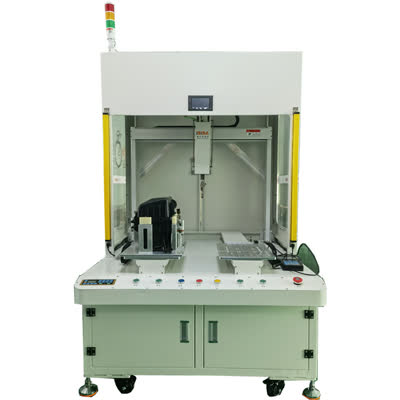
Product Name Applicable industries Automatic Screw Feeder Smart Wearables Production body { font-family: Arial, sans-serif; line-height: 1.6; color: #333; } h1 { color: #0056b3; font-size: 28px; margin-bottom: 20px; } h2 { color: #004a99; font-size: 22px; margin-top: 25px; margin-bottom: 15px; } p { margin-bottom: 15px; } ul { margin-bottom: 15px; padding-left: 20px; } li { margin-bottom: 8px; } strong { color: #004a99; } Questions to Ask Before Buying a Screw Locking Machine Investing in industrial automation equipment is a significant decision that can greatly impact your production efficiency, product quality, and bottom line. A screw locking machine, also known as a screwdriving system, is a crucial piece of equipment for countless assembly lines. Choosing the right one requires careful consideration. To ensure you make a well-informed purchase that aligns with your specific needs, here are the essential questions you should ask. What Are My Application Requirements? Before you even look at different models, you must have a deep understanding of your own application. Start by asking: Screw Specifications: What is the size, type, pitch, and material of the screws you will be using? The machine must be compatible with your fasteners. Torque and Angle Requirements: What are the precise torque and angle specifications for a perfect lock? This is critical for product quality and consistency. Part Design: What is the geometry of the part being assembled? Are there accessibility issues or unique angles the machine must accommodate? Production Volume and Speed: What is your required output in units per hour or per shift? This will determine whether you need a simple benchtop unit or a high-speed automated system. What Level of Automation Do I Need? Screw locking machines range from semi-automatic to fully automated cells. You need to decide the right level for your process. Manual Presentation: Will an operator present the part and trigger the machine? Automatic Feeding: Do you need an integrated system that automatically feeds screws to the driver, significantly increasing speed and reducing operator fatigue? Robotic Integration: Should the screwdriver be mounted on a robot for complex, multi-point assembly tasks? Matching the automation level to your volume and labor availability is key to maximizing your return on investment. How Will the Machine Integrate Into My Existing Line? The new equipment must work seamlessly with your current setup. Important integration questions include: Physical Footprint: How much floor or bench space is available for the machine? Connectivity and Data: Does the machine offer PLC connectivity (e.g., via Ethernet/IP, Profinet, Modbus) for seamless integration into your factory's control system? Can it provide data output for traceability and process monitoring? Power Requirements: What are the electrical and air pressure requirements? Ensure your facility can meet them. What About Ease of Use and Changeover? In modern manufacturing, flexibility is vital. If you produce multiple products, you must ask: How quickly can the machine be reprogrammed for a different screw or torque setting? Look for intuitive user interfaces with recipe storage. How difficult is it to change the feeder bowl or driver bit? Quick-change features can drastically reduce downtime during product changeovers. What Kind of Support and Service Can I Expect? The relationship with your supplier doesn't end at the sale. Probe into their after-sales support: Installation and Training: Do they offer on-site installation and comprehensive training for your operators and maintenance staff? Technical Support: What is the availability of their technical support team? Is there local expertise? Spare Parts and Warranty: What is the lead time for critical spare parts? What does the warranty cover and for how long? Asking these detailed questions will provide clarity and guide you toward the ideal screw locking solution. A thorough evaluation process ensures the machine you select not only performs the task but also enhances your overall manufacturing strategy, providing reliability, quality, and efficiency for years to come.
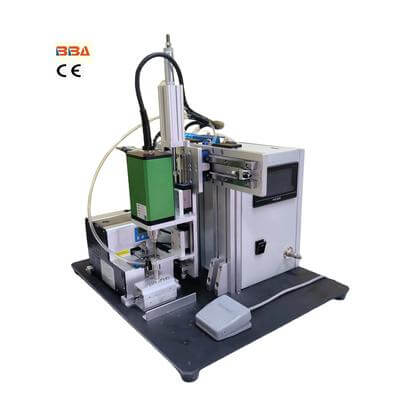
Product Name Applicable industries Inline Screw Locking System Automotive Electronics Assembly body { font-family: Arial, sans-serif; line-height: 1.6; margin: 20px; } h1 { color: #2c3e50; font-size: 28px; margin-bottom: 20px; } h2 { color: #34495e; font-size: 22px; margin-top: 25px; margin-bottom: 15px; } p { margin-bottom: 15px; color: #333; } ul { margin-bottom: 15px; padding-left: 20px; } li { margin-bottom: 8px; } strong { color: #16a085; } Desktop Robots for Precision Screw Tightening In the realm of industrial automation, precision and reliability are paramount. One of the critical processes in manufacturing and assembly is screw tightening, a task that, while seemingly simple, requires consistent accuracy to ensure product quality and safety. Manual screw tightening is prone to human error, leading to inconsistencies, stripped threads, and potential product failures. This is where desktop robots designed for precision screw tightening come into play, revolutionizing assembly lines with their unmatched accuracy and efficiency. The Need for Automation in Screw Tightening Traditional manual screw tightening processes often face challenges such as operator fatigue, variability in torque application, and difficulty in maintaining high throughput over extended periods. These issues can result in compromised product integrity and increased rework rates. Automated screw tightening solutions address these pain points by delivering consistent, high-quality results every time, reducing the risk of errors and enhancing overall production efficiency. Key Features of Desktop Screw Tightening Robots Modern desktop robots for screw tightening are equipped with advanced features that make them indispensable in precision-driven industries. These compact yet powerful systems are designed to integrate seamlessly into existing production setups, offering flexibility and scalability. High Precision Torque Control: These robots utilize sophisticated torque sensors and control algorithms to apply exact torque levels, ensuring each screw is tightened to specification without over-tightening or under-tightening. Adaptive Flexibility: With programmable settings and easy-to-configure software, these robots can handle a variety of screw sizes, types, and materials, making them suitable for diverse applications from electronics to automotive components. User-Friendly Interface: Intuitive software allows operators to set parameters, monitor performance, and troubleshoot issues with minimal training, reducing downtime and enhancing productivity. Compact Design: Their small footprint makes them ideal for benchtop applications where space is limited, without compromising on power or capability. Data Logging and Traceability: Integrated sensors record torque and angle data for each tightening operation, providing valuable insights for quality control and process optimization. Benefits of Implementing Desktop Robots Integrating desktop robots for screw tightening into manufacturing processes offers numerous advantages. Firstly, they significantly improve product consistency by eliminating human error, leading to higher quality outputs and reduced defect rates. Secondly, these robots enhance operational efficiency by working at high speeds without fatigue, increasing throughput and reducing cycle times. Additionally, they contribute to a safer work environment by minimizing repetitive strain injuries associated with manual tightening tasks. Lastly, the data collected by these systems enables continuous process improvement, helping manufacturers meet stringent quality standards and comply with industry regulations. Applications Across Industries Desktop screw tightening robots are versatile tools used in various sectors. In electronics manufacturing, they ensure delicate components are assembled with precise torque to prevent damage. In the automotive industry, they are employed for critical assemblies where reliability is non-negotiable. Medical device manufacturers rely on them to meet strict hygiene and precision requirements. Their adaptability makes them valuable in any setting where accuracy and repeatability are essential. Future Trends and Innovations The future of desktop robots for screw tightening looks promising, with ongoing advancements in artificial intelligence and machine learning. These technologies will enable even smarter systems capable of self-calibration, predictive maintenance, and adaptive learning to optimize performance over time. As industries continue to embrace Industry 4.0, these robots will play a crucial role in creating interconnected, intelligent factories that prioritize efficiency, quality, and sustainability. In conclusion, desktop robots for precision screw tightening represent a significant leap forward in industrial automation. By combining accuracy, flexibility, and ease of use, they empower manufacturers to achieve new levels of productivity and quality. As technology evolves, these systems will continue to set the standard for excellence in assembly processes worldwide.
Product Name Applicable industries Desktop Screwdriver Robot Drone and UAV Manufacturing body {font-family: Arial, sans-serif; line-height: 1.6; margin: 20px; color: #333;} h2 {color: #1a5c9e; font-size: 22px; margin-bottom: 15px;} h3 {color: #2c6bae; font-size: 18px; margin-top: 20px; margin-bottom: 10px;} p {margin-bottom: 15px; text-align: justify;} ul {margin-bottom: 15px; margin-left: 20px;} li {margin-bottom: 8px;} strong {color: #555;} Troubleshooting Common Technical Issues in Screw Locking Machines Screw locking machines are fundamental to assembly lines across numerous industries, ensuring product integrity and reliability through precise and consistent fastening. However, like any sophisticated piece of industrial automation equipment, they can occasionally encounter operational issues that disrupt production flow. Understanding how to diagnose and resolve these common problems is key to minimizing downtime and maintaining high efficiency. This article outlines several typical technical challenges and provides practical troubleshooting steps. 1. Inconsistent Torque Output One of the most frequent issues operators face is inconsistent or inaccurate torque delivery. This can result in under-tightened screws, which compromise product safety, or over-tightened screws, which can damage threads or the fastener itself. Potential Causes and Solutions: Tool Calibration: The most common cause is a tool that has fallen out of calibration due to regular wear and tear. Regularly scheduled calibration according to the manufacturer's guidelines is essential to maintain accuracy. Air Supply (for pneumatic models): Fluctuations in air pressure can lead to inconsistent torque. Ensure the air compressor is providing a stable, clean, and dry supply of air at the recommended pressure level. Check for leaks in the airline. Mechanical Wear: Worn-out components like clutches in pulse tools or DC motors in electric screwdrivers can cause performance drift. A preventative maintenance schedule should include inspection and replacement of these wear-prone parts. 2. Screw Slippage or Cross-Threading This occurs when the driver bit fails to engage the screw head properly, causing damage to the screw head (cam-out) or misalignment that leads to cross-threading. Potential Causes and Solutions: Worn or Incorrect Driver Bit: Bits wear down over time and lose their grip. Inspect bits regularly and replace them at the first sign of wear. Always use bits that match the screw type and size perfectly. Feed System Misalignment: If the screw presenting system (e.g., hopper, bowl feeder, nose piece) is not perfectly aligned with the driver, the screw will not be presented straight. Verify and adjust the alignment of the feeding mechanism to ensure the screw is vertical and centered. Operator or Robot Path Error: For handheld or robotic applications, the approach angle is critical. The tool must approach the workpiece perpendicularly to avoid cross-threading. Re-programming the robot path or retraining operators on the correct approach can resolve this. 3. Machine Stoppages or Jamming Unexpected stoppages halt production and are often caused by issues in the screw feeding system. Potential Causes and Solutions: Screw Contamination: Dirty, rusty, or non-standard screws can jam the feeder bowl or the nose piece. Always use clean, high-quality fasteners that meet specification. Implement a cleaning schedule for the hopper and bowl feeder. Feed System Blockage: Debris or a damaged screw can obstruct the feed track or hose. Regularly clear the feed path and inspect for any obstructions or wear. Sensor Fault: Faulty photoelectric or proximity sensors may fail to detect the presence of a screw, causing the machine to stop unnecessarily. Check sensor alignment, cleanliness, and functionality. 4. Error Codes and Electronic Faults Modern electric screwdrivers often display error codes on their controllers or HMIs, which can point to specific internal problems. Potential Causes and Solutions: Overload or Overheating: Continuous operation at high torque can cause the motor to overheat and trigger a fault. Allow the tool to cool down and ensure it is used within its rated duty cycle. Check for mechanical binding that might be causing excessive load. Controller Communication Loss: Loose wiring or connector issues can cause communication errors between the tool, controller, and PLC. Power down the system and check all electrical connections for security. Software Glitch: Occasionally, a power surge or bug can cause the controller software to lock up. A simple power cycle (turning the machine off and on again) often clears temporary glitches. Implementing a robust preventative maintenance program is the most effective strategy to prevent these issues from occurring in the first place. Regular inspection, cleaning, calibration, and replacement of consumable parts like driver bits will significantly enhance the reliability and lifespan of your screw locking equipment, ensuring smooth and uninterrupted production.
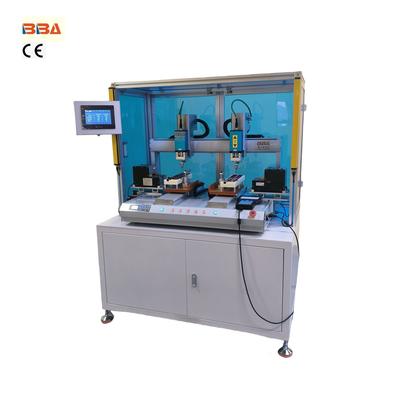
Produktname Anwendbare Industrien Smarte Schraubmontagemaschine Automobil- und Elektronikmontage Bewährte Verfahren zur Einrichtung einer automatischen Schraubstraße body { font-family: Arial, sans-serif; line-height: 1.6; margin: 20px; } h1 { color: #2c3e50; font-size: 28px; margin-bottom: 20px; } h2 { color: #34495e; font-size: 22px; margin-top: 25px; margin-bottom: 15px; } p { margin-bottom: 15px; text-align: justify; } ul { margin-bottom: 15px; padding-left: 20px; } li { margin-bottom: 8px; } strong { color: #16a085; } Bewährte Verfahren zur Einrichtung einer automatischen Schraubstraße Im Bereich der industriellen Automatisierung stellt die Implementierung einer automatisierten Schraubmontagelinie einen bedeutenden Schritt zur Steigerung der Produktionseffizienz, Sicherstellung gleichbleibender Produktqualität und Senkung der Betriebskosten dar. Eine richtig konfigurierte automatische Schraubstraße minimiert menschliche Fehler, verringert ergonomische Belastungen der Arbeiter und beschleunigt Montagezyklen. Die Verwirklichung dieser Vorteile erfordert jedoch sorgfältige Planung und Ausführung. Dieser Artikel skizziert die grundlegenden Best Practices für den Aufbau eines robusten und zuverlässigen automatisierten Schraubsystems. 1. Umfassende Prozessanalyse und Planung Vor der Auswahl jeglicher Ausrüstung ist eine gründliche Analyse des bestehenden Montageprozesses von größter Bedeutung. Identifizieren Sie die spezifischen Befestigungsaufgaben, einschließlich der verwendeten Schraubentypen (Länge, Durchmesser, Kopfform), der erforderlichen Drehmomentwerte und der Zugänglichkeit der Befestigungspunkte. Berücksichtigen Sie das Produktionsvolumen und die Zykluszeitziele. Die vollständige Abbildung des Prozesses hilft bei der Bestimmung des optimalen Automatisierungsgrads – ob eine Einzelstationzelle, ein Mehrspindelsystem oder eine vollständig integrierte Roboterlinie am besten geeignet ist. Dieser grundlegende Schritt verhindert kostspielige Übersehen und stellt sicher, dass die Automatisierungslösung perfekt mit den Produktionszielen übereinstimmt. 2. Auswahl der richtigen Ausrüstung Die Wahl geeigneter Hardware ist entscheidend. Die Kernkomponenten umfassen in der Regel automatische Schraubenzuführungen, elektrische oder pneumatische Schrauber und oft einen Roboterarm oder ein kartesisches System zur Positionierung. Wichtige Auswahlkriterien sind: Schraubenzuführung: Entscheiden Sie sich für ein Zuführmodell, das Ihren spezifischen Schraubentyp zuverlässig handhabt, ohne zu blockieren. Vibrationswendelförderer sind üblich, aber neuere flexible bandgespeiste Systeme können für empfindliche oder kleine Schrauben hervorragend sein. Schrauber: Wählen Sie einen Schrauber, der eine präzise, wiederholbare Drehmomentkontrolle liefern kann. Elektrische Schrauber werden aufgrund ihrer Genauigkeit und Datenprotokollierungsfähigkeiten bevorzugt, die für die Rückverfolgbarkeit in qualitätskritischen Anwendungen unerlässlich sind. Positionierungssystem: Die Wahl zwischen dedizierter fester Automatisierung und einem programmierbaren Roboter hängt von der Teilevielfalt ab. Für variantenreiche Produktion bietet ein 6-Achsen-Roboter unübertroffene Flexibilität, um mehrere Punkte zu erreichen. 3. Sicherstellung der Teilepräsentation und Spannvorrichtungsstabilität Das Automationssystem ist nur so gut wie das Teil, an dem es arbeitet. Das Werkstück muss der Schraubeinheit in einer hochgradig wiederholbaren und stabilen Position präsentiert werden. Investieren Sie in Präzisionsspannvorrichtungen und Schablonen, die die Komponente sicher halten und jede Bewegung während des Befestigungsprozesses verhindern. Bei bandbasierten Linien sorgen Sie für präzise Positionierung durch mechanische Anschläge oder visionsgesteuerte Systeme. Instabile Teile können zu falsch eingedrehten Schrauben, Kreuzfäden oder Beschädigungen des Produkts und der Ausrüstung führen. 4. Sorgfältige Systemintegration und Kalibrierung Die Integration beinhaltet die Synchronisation von Schraubenzuführung, Schrauber und Positionierungssystem zu einer zusammenhängenden Einheit. Achten Sie genau auf die Ausrichtung zwischen dem Schrauberbit und der von der Zuführung präsentierten Schraube. Selbst eine leichte Fehlausrichtung kann zu Aufnahmefehlern führen. Kalibrieren Sie die Drehmomenteinstellungen für jeden Schraubentyp gemäß den technischen Spezifikationen und führen Sie umfangreiche Tests durch, um optimale Schraubgeschwindigkeit und -tiefe festzulegen. Die Implementierung von Sensoren zur Verifizierung – wie Präsenzsensoren zur Bestätigung der Schraubenaufnahme und Drehmomentüberwachung zur Validierung der Festigkeit – ist eine unabdingbare Praxis zur Erzielung einer nullfehlerproduktion. 5. Robuste Wartung und Bedienerschulung Eine automatisierte Schraubstraße ist eine langfristige Investition, die proaktive Pflege erfordert, um Spitzenleistung aufrechtzuerhalten. Richten Sie einen regelmäßigen Wartungsplan ein, der die Reinigung des Wendelbeckens und der Förderbahnen, die Überprüfung der Schrauberbits auf Verschleiß und die Kontrolle der Drehmomentkalibrierung umfasst. Schulen Sie außerdem Instandhaltungstechniker und Linienbediener umfassend in der Bedienung des Systems, der Durchführung grundlegender Fehlerbehebung und der Identifizierung früher Anzeichen potenzieller Probleme wie Zuführstörungen oder nachlassender Drehmomentgenauigkeit. Befähigte Mitarbeiter sind entscheidend für die Minimierung von Ausfallzeiten und den kontinuierlichen Betrieb. Schlussfolgerung Die Implementierung einer automatisierten Schraubmontagelinie ist eine leistungsstarke Strategie für die moderne Fertigung. Durch die Befolgung dieser Best Practices – von rigoroser anfänglicher Planung und Ausrüstungsauswahl über stabile Spannvorrichtungen und präzise Kalibrierung bis hin zu sorgfältiger Wartung – können Unternehmen ein System aufbauen, das unübertroffene Zuverlässigkeit, Qualität und Produktivität liefert. Eine gut konzipierte automatische Schraubstraße rationalisiert nicht nur die Montage, sondern wird auch zu einem Grundpfeiler eines effizienteren und wettbewerbsfähigeren Fertigungsbetriebs.
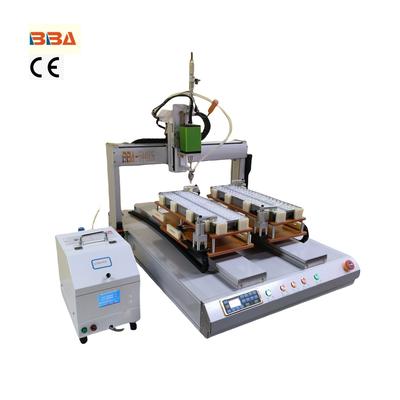
In der Welt der Industrieautomatisierung sind Schraubenzuführmechanismen eine kritische, aber oft übersehene Komponente von Montagesystemen. Diese Mechanismen sind für die präzise und effiziente Bereitstellung von Befestigungselementen verantwortlich und stellen sicher, dass Produktionslinien reibungslos und mit minimalen Ausfallzeiten arbeiten. Jüngste Innovationen auf diesem Gebiet haben die Zuverlässigkeit, Geschwindigkeit und Flexibilität von Schraubenzuführsystemen erheblich verbessert, wodurch sie besser an die sich entwickelnden Anforderungen der modernen Fertigung angepasst sind. Eine der bemerkenswertesten Weiterentwicklungen ist die Entwicklung intelligenter, visuell geführter Schraubenzuführsysteme. Traditionelle Systeme verlassen sich oft auf mechanische oder pneumatische Methoden zum Ausrichten und Zuführen von Schrauben, was anfällig für Blockaden oder Fehlzufuhren sein kann, insbesondere bei kleineren oder nicht standardmäßigen Befestigungselementen. Moderne Systeme integrieren hochauflösende Kameras und Machine-Learning-Algorithmen, um jede Schraube visuell zu identifizieren und ihre Ausrichtung zu überprüfen, bevor sie dem Roboter oder Montagewerkzeug präsentiert wird. Diese visuelle Inspektion reduziert die Fehlerrate drastisch und ermöglicht die Handhabung einer größeren Vielfalt von Schraubentypen und -größen ohne kostspielige mechanische Umrüstungen. Das System kann sich einfach durch Aktualisierung seiner Softwareparameter sofort an neue Befestigungselemente anpassen und bietet damit unübertroffene Flexibilität für Produktionsumgebungen mit hoher Variantenvielfalt. Darüber hinaus haben Fortschritte in der Antriebs- und Vibrationstechnologie zu effizienteren und schonenderen Zuführprozessen geführt. Neuere Schwingförderer nutzen optimierte Vibrationsmuster und Oberflächenmaterialien, die den Teil-auf-Teil-Kontakt minimieren und das Risiko von Beschädigungen an empfindlichen Schraubenoberflächen oder Gewinden reduzieren. Dies ist besonders wichtig in Branchen wie der Elektronik- oder Medizingerätefertigung, wo bereits eine kleine Kratzer zu einem Produktausfall führen kann. Zusätzlich ermöglicht die Integration von Direktantrieb-Servomotoren anstelle traditioneller elektromagnetischer Antriebe eine feinere Kontrolle über die Zuführbewegung. Dies resultiert in einem leiseren Betrieb, reduziertem Energieverbrauch und der Fähigkeit, Schrauben bei sehr hohen Geschwindigkeiten präzise zu dosieren, was dem Tempo heutiger schneller Montagelinien entspricht. Konnektivität und Datenanalyse stellen eine weitere Innovationsfront dar. Modernste Schraubenzuführmechanismen sind jetzt mit IoT-Sensoren ausgestattet, die wichtige Leistungskennzahlen wie Zuführrate, Blockierhäufigkeit und Motordrehmoment in Echtzeit überwachen. Diese Daten werden an ein zentrales Überwachungssystem gestreamt, wo sie analysiert werden können, um Wartungsbedarf vor einem Ausfall vorherzusagen. Beispielsweise kann ein gradueller Anstieg des Motorwiderstands die Notwendigkeit einer Beckenreinigung oder von Komponentenverschleiß signalisieren, was ein proaktives Eingreifen während geplanter Ausfallzeiten ermöglicht. Dieser Wechsel von reaktiver zu vorausschauender Wartung verhindert nicht nur kostspielige Linienstillstände, sondern verlängert auch die operative Lebensdauer der Ausrüstung und bietet eine signifikante Kapitalrendite. Schließlich hat das Streben nach größerer Flexibilität zu modularen und schlanken Schraubenzuführkonstruktionen geführt. Anstelle großer, zentralisierter Zuführsysteme setzen Hersteller kompakte, dezentrale Einheiten ein, die direkt am Verwendungsort auf der Montagelinie platziert werden können. Diese Module sind einfacher zu integrieren und können für verschiedene Produkte schnell ausgetauscht oder neu konfiguriert werden. Dieser modulare Ansatz unterstützt den Trend zur schlanken Fertigung und Massenanpassung und ermöglicht es Fabriken, schnell zwischen verschiedenen Produkten zu wechseln, ohne die Produktion für aufwändige Umrüstungen anhalten zu müssen. Zusammenfassend transformieren Innovationen in Schraubenzuführmechanismen die Montageautomatisierung grundlegend. Durch die Integration von Maschinensehen, fortschrittlichen Antriebssystemen, IoT-Konnektivität und modularem Design werden diese Systeme intelligenter, effizienter und anpassungsfähiger. Diese Verbesserungen sind unerlässlich für Hersteller, die Produktivität steigern, Produktqualität verbessern und eine wettbewerbsfähige Position in einer dynamischen Industrielandschaft behalten wollen. Produktname Anwendbare Industrien CNC-Schraubsetzer Montagelinien für Elektrowerkzeuge
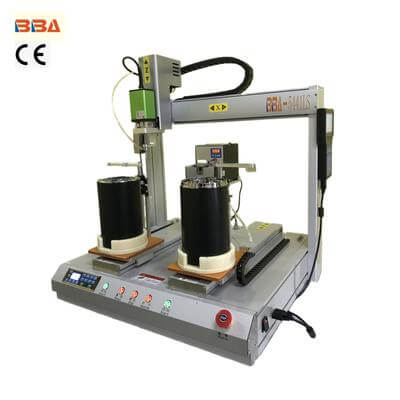
Produktname Anwendbare Industrien Servo-Schraubendreher-Roboter Automobil- und Elektronikmontage Komponenten einer vollautomatischen Schraubmontagemaschine Vollautomatische Schraubmontagemaschinen sind unverzichtbar in der modernen Fertigung und bieten Präzision, Geschwindigkeit und Zuverlässigkeit. Diese Maschinen rationalisieren den Montageprozess, indem sie automatisch Schrauben in Produkte eindrehen, ohne menschliches Eingreifen. Das Verständnis der Schlüsselkomponenten dieser Systeme kann Unternehmen helfen, ihre Produktionslinien zu optimieren und die Effizienz zu steigern. 1. Schraubenzuführer: Der Schraubenzuführer ist für die Versorgung des Antriebswerkzeugs mit Schrauben verantwortlich. Er verwendet Vibrationen oder Rotationsbewegungen, um Schrauben aus einem Massenvorrat zu orientieren und zum Antriebsmechanismus zu transportieren. Dies gewährleistet einen kontinuierlichen und gleichmäßigen Schraubennachfluss und minimiert Ausfallzeiten. 2. Schraubantriebswerkzeug: Diese Komponente ist das Herz der Maschine. Sie besteht aus einem motorisierten Antrieb, der Schrauben vom Zuführer aufnimmt und in das Produkt eindreht. Das Werkzeug ist in Drehmoment und Tiefe einstellbar, um jedes präzise Eindrehen der Schrauben zu gewährleisten. 3. Steuereinheit: Der Controller fungiert als Gehirn des Systems. Er verwaltet den Betrieb von Zuführer und Antriebswerkzeug, überwacht die Leistung und ermöglicht Benutzern das Setzen von Parametern wie Schraubenanzahl, Drehmoment und Geschwindigkeit. Fortschrittliche Controller können Touchscreen-Oberflächen zur einfachen Bedienung enthalten. 4. Vision-System: Viele moderne Maschinen integrieren Vision-Systeme zur Überprüfung der Schraubenplatzierung. Kameras und Sensoren erkennen falsch platzierte oder fehlende Schrauben, gewährleisten Qualitätskontrolle und reduzieren Fehler im Montageprozess. 5. Fördersystem: Für die Inline-Produktion transportiert ein Fördersystem Produkte durch die Montagestation. Es synchronisiert mit dem Schraubantriebswerkzeug, um genaue Positionierung und effiziente Handhabung zu gewährleisten. 6. Sicherheitsfunktionen: Vollautomatische Maschinen beinhalten Sicherheitsmechanismen wie Not-Aus-Tasten, Schutzvorrichtungen und Sensoren, um Unfälle zu verhindern und Bediener zu schützen. Durch die Integration dieser Komponenten verbessern vollautomatische Schraubmontagemaschinen die Produktivität, reduzieren Arbeitskosten und gewährleisten gleichbleibende Qualität. Sie werden häufig in Industrien wie Elektronik, Automobil und Konsumgüterfertigung eingesetzt. Die Investition in ein gut konzipiertes automatisches Schraubmontagesystem kann Ihre Produktionskapazitäten erheblich steigern und Ihnen helfen, im schnelllebigen Industrieumfeld wettbewerbsfähig zu bleiben.