8618566785362 8618566785362 8618566785362 phoenix08@bbamachine.com
- All
- Product Name
- Product Keyword
- Product Model
- Product Summary
- Product Description
- Multi Field Search
body { font-family: Arial, sans-serif; line-height: 1.6; color: #333; margin: 20px; } h1 { color: #2c3e50; font-size: 28px; margin-bottom: 20px; } h2 { color: #34495e; font-size: 22px; margin-top: 25px; margin-bottom: 15px; } p { margin-bottom: 15px; text-align: justify; } ul { margin-bottom: 15px; padding-left: 20px; } li { margin-bottom: 8px; } strong { color: #16a085; } Maintenance Schedule for Maximum Uptime In the world of industrial automation, unplanned downtime is one of the most significant threats to productivity and profitability. A single hour of halted production can result in substantial financial losses and disrupt entire supply chains. The key to mitigating this risk lies not in reactive fixes but in a proactive, strategic approach: a meticulously planned maintenance schedule designed for maximum uptime. The Critical Role of Proactive Maintenance Reactive maintenance, or fixing equipment only after it fails, is a costly and inefficient strategy. It leads to unpredictable breakdowns, emergency repairs, and prolonged periods of inactivity. In contrast, a proactive maintenance schedule shifts the paradigm from failure response to failure prevention. This strategy involves regularly scheduled inspections, servicing, and parts replacement based on either time intervals or actual equipment usage data. The primary goal is to identify and address potential issues before they escalate into major failures, thereby ensuring continuous operation and protecting your valuable assets. Key Elements of an Effective Maintenance Schedule Creating a maintenance schedule that genuinely maximizes uptime requires more than just random checks. It should be a comprehensive, living document tailored to your specific operation. Asset Criticality Analysis: Not all equipment is created equal. Begin by categorizing your machinery based on its impact on production. Critical assets whose failure would stop entire lines should be prioritized with the most rigorous maintenance routines. Leverage Predictive Technologies: Move beyond traditional time-based schedules by integrating condition-monitoring tools. Vibration analysis, thermal imaging, and ultrasonic testing can provide real-time data on equipment health, allowing you to perform maintenance precisely when it is needed—not too early, and never too late. Detailed Task Lists and Procedures: Each scheduled maintenance event should have a clear checklist of tasks, from visual inspections and lubrication to calibration and component replacement. Standardizing these procedures ensures consistency and completeness, leaving no room for error. Parts and Inventory Management: A schedule is useless if the required parts are not available. Plan maintenance around a well-managed inventory of critical spares to avoid waiting periods that extend downtime. Documentation and Continuous Improvement: Every maintenance action should be recorded. This historical data is invaluable for tracking asset performance, identifying recurring problems, and refining future schedules to be even more effective. Implementation and Best Practices Implementing a new maintenance strategy is a cultural shift that requires buy-in from all levels of the organization. Start by piloting the schedule on a few critical production lines to demonstrate its value. Utilize modern Computerized Maintenance Management Systems (CMMS) to automate work orders, track history, and manage resources efficiently. Most importantly, train your technicians thoroughly. They must understand the 'why' behind the schedule and be equipped with the skills to perform advanced diagnostics and procedures. Finally, review and adjust the schedule regularly. Production demands change, technology evolves, and your maintenance plan must be dynamic enough to adapt. The Result: Sustained Productivity and Long-Term Value Investing the time and resources into developing a disciplined maintenance schedule pays immense dividends. The most immediate benefit is a dramatic reduction in unplanned downtime, leading to higher overall equipment effectiveness (OEE), increased output, and more reliable delivery times. Furthermore, well-maintained equipment operates more efficiently, consuming less energy and reducing operational costs. It also extends the useful lifespan of your capital investments, delaying costly replacements. Ultimately, a robust maintenance schedule is not an expense; it is a strategic cornerstone for building a resilient, competitive, and profitable manufacturing operation. Product Name Applicable industries Automatic Screw Feeder LED Lighting Industry
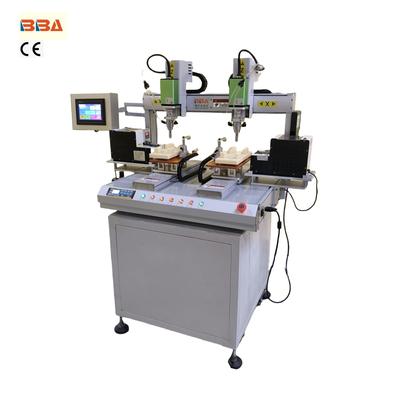
body { font-family: Arial, sans-serif; line-height: 1.6; margin: 20px; color: #333; } h1 { color: #0056b3; font-size: 28px; margin-bottom: 20px; } h2 { color: #003366; font-size: 22px; margin-top: 25px; margin-bottom: 15px; } p { margin-bottom: 15px; text-align: justify; } ul { margin-top: 10px; margin-bottom: 15px; padding-left: 20px; } li { margin-bottom: 8px; } .highlight { background-color: #f0f8ff; padding: 15px; border-radius: 5px; margin: 20px 0; } .keyword { font-weight: bold; color: #0056b3; } Mehrwertdienstleistungen für Mehrachsen-Systeme Im sich schnell entwickelnden Umfeld der Industrieautomation stellen Mehrachsen-Bewegungssysteme einen Eckpfeiler der modernen Fertigung dar. Diese anspruchsvollen Systeme, die Bewegungen über mehrere Achsen gleichzeitig koordinieren, revolutionieren die Durchführung komplexer Aufgaben mit unübertroffener Präzision und Effizienz. Die wahre Leistungsfähigkeit dieser Systeme wird jedoch nicht allein durch die Hardware selbst entfaltet, sondern durch eine umfassende Palette von Mehrwertdienstleistungen, die eine optimale Leistung, Langlebigkeit und eine schnelle Kapitalrendite gewährleisten. Über die Hardware hinaus: Die entscheidende Rolle der Integration Die Implementierung eines Mehrachsen-Systems ist weit mehr als ein einfacher Plug-and-Play-Vorgang. Die Komplexität der Synchronisation von Motoren, Antrieben und Steuerungen erfordert eine expertenhafte Systemintegration. Professionelle Integrationsdienstleistungen stellen sicher, dass alle Komponenten perfekt aufeinander abgestimmt sind und speziell auf Ihre individuelle Anwendung zugeschnitten werden – ob es sich um anspruchsvolle Montageroboter, Hochgeschwindigkeitsverpackung oder Präzisionsbearbeitung handelt. Dieser grundlegende Service minimiert Risiken, verkürzt die Anlaufzeit und garantiert, dass das System von Tag an seinen spezifizierten Fähigkeiten entspricht. Maßgeschneiderte Programmierung und Anwendungsentwicklung Jeder Fertigungsprozess hat seine eigenen spezifischen Anforderungen. Standardsoftwarelösungen reichen oft nicht aus, um bestimmte Herausforderungen zu bewältigen. Hier werden individuelle Programmierung und Anwendungsentwicklung unschätzbar wertvoll. Spezialisten können maßgeschneiderte Softwareabläufe entwickeln, die die Bahnplanung optimieren, die Zykluszeiten minimieren und komplexe Bewegungsprofile implementieren. Diese tiefgreifende Anpassung erhöht die Flexibilität und ermöglicht die Ausführung hochspezialisierter Aufgaben, die einen erheblichen Wettbewerbsvorteil bieten. Wesentliche Mehrwertdienstleistungen umfassen: Umfassendes Systemdesign & Simulation: Virtuelle Modellierung des gesamten Systems zur Leistungsvorhersage, Identifizierung potenzieller Probleme und Validierung von Konzepten vor der physischen Implementierung. Erweiterte Schulungen & Wissenstransfer: Befähigung Ihrer Mitarbeiter mit den notwendigen Fähigkeiten, um das System effektiv zu bedienen, zu warten und zu troubleshooten, um die Verfügbarkeit und Produktivität zu maximieren. Proaktive Wartung & Ferndiagnose: Nutzung vernetzter Technologien zur Überwachung des Systemzustands, Vorhersage von Wartungsbedarf und häufig Fernbehebung von Problemen, um kostspielige ungeplante Ausfallzeiten zu verhindern. Technischer Support & Lebenszyklusmanagement: Laufende Unterstützung, von der Fehlerbehebung bis zu Updates, um sicherzustellen, dass Ihr System sich parallel zu Ihren Produktionsanforderungen und technologischen Entwicklungen weiterentwickelt. Steigerung der operativen Exzellenz und Zukunftssicherheit Die Investition in ein Mehrachsen-System ist bedeutend, und der Schutz dieser Investition ist von größter Bedeutung. Mehrwertdienstleistungen sind der Schlüssel zur Zukunftssicherung Ihrer Automationsassets. Durch kontinuierliche Unterstützung und Updates kann sich Ihr System an neue Produkte, Prozesse und Technologien anpassen. Dieser Ansatz verwandelt eine Kapitalausgabe in eine langfristige strategische Partnerschaft, die auf die kontinuierliche Steigerung der operativen Exzellenz, die Verbesserung der Gesamtanlageneffektivität (OEE) und die Stärkung der Ertragskraft abzielt. Zusammenfassend lässt sich sagen: Während Mehrachsen-Systeme die mechanischen Mittel zur Erreichung fortschrittlicher Automation bereitstellen, sind es die Mehrwertdienstleistungen, die das versprochene Potenzial wirklich ausschöpfen. Diese Dienstleistungen gewährleisten eine nahtlose Integration, maßgeschneiderte Betriebsführung und nachhaltige Leistung und verwandeln so hochentwickelte Technologie in einen zuverlässigen und leistungsstarken Treiber Ihres Fertigungserfolgs. Produktname Anwendbare Industrien Schraubverschlussroboter Montage von Telekommunikationsgeräten
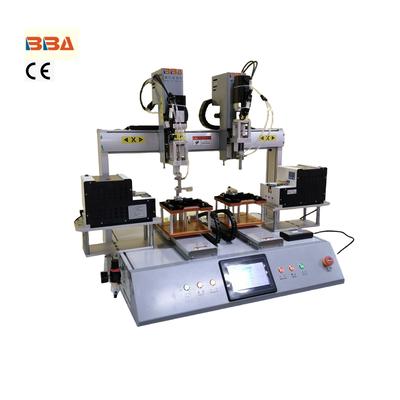
ProduktnameAnwendbare IndustrienIntelligente SchraubmaschineSpielzeug- und SpielkonsolenproduktionKombination von Dosier- und robotergestützter SchraubtechnikIn der sich schnell entwickelnden Landschaft der Industrieautomatisierung ist die Integration mehrerer Prozesse in einen einzigen, optimierten Ablauf zu einer Schlüsselstrategie geworden, um Effizienz, Präzision und Produktivität zu steigern. Eine der wirkungsvollsten Integrationen ist die Kombination von Dosier- und robotergestützter Schraubtechnik. Diese Synergie optimiert nicht nur Fertigungsabläufe, sondern eröffnet auch neue Möglichkeiten für Innovation und Qualitätssicherung.Dosiersysteme werden häufig in Branchen wie Elektronik, Automobil und Konsumgüter eingesetzt, um Klebstoffe, Dichtstoffe, Schmiermittel und andere Materialien mit hoher Genauigkeit aufzutragen. Roboter-Schraubsysteme automatisieren den Befestigungsprozess, gewährleisten ein konsistentes Drehmoment und reduzieren das Risiko menschlicher Fehler. Durch die Zusammenführung dieser beiden Funktionen in einer Einheit können Hersteller einen nahtlosen Montageprozess erreichen, der die Handhabung minimiert, die Taktzeiten verkürzt und die allgemeine Produktzuverlässigkeit verbessert.Vorteile der IntegrationDie Integration von Dosier- und robotergestützter Schraubtechnik bietet mehrere überzeugende Vorteile. Erstens entfällt die Notwendigkeit separater Arbeitsstationen, was wertvollen Platz spart und den Materialtransfer zwischen den Stufen reduziert. Diese Konsolidierung führt zu einer kompakteren Produktionslinie und niedrigeren Betriebskosten.Zweitens verbessert die Kombination dieser Prozesse die Präzision und Wiederholgenauigkeit. Beispielsweise kann das Robotersystem bei Anwendungen, bei denen Klebstoffe zusammen mit mechanischen Befestigungselementen verwendet werden, zunächst die genau benötigte Menge Klebstoff dosieren und dann sofort die Schraube an Ort und Stelle eindrehen. Dies gewährleistet eine optimale Verklebung und Befestigung ohne Verzögerungen oder Fehlausrichtungen, die auftreten könnten, wenn die Prozesse getrennt wären.Drittens unterstützt diese Integration eine bessere Qualitätskontrolle. Mit Sensoren und Vision-Systemen, die oft in moderne Automatisierungsgeräte eingebettet sind, kann das kombinierte System das Vorhandensein und die korrekte Anwendung von Klebstoffen überprüfen sowie Schraubparameter wie Drehmoment und Tiefe überwachen. Abweichungen können in Echtzeit erkannt werden, was sofortige Korrekturen ermöglicht und die Wahrscheinlichkeit von Fehlern verringert.Anwendungen in verschiedenen BranchenDie Vielseitigkeit der kombinierten Dosier- und Schraubtechnik macht sie für eine breite Palette von Anwendungen geeignet. In der Elektronikindustrie wird sie beispielsweise zum Zusammenbau von Geräten verwendet, bei denen Komponenten sowohl geklebt als auch geschraubt werden müssen, um zusätzliche Sicherheit und Vibrationsfestigkeit zu gewährleisten. Automobilhersteller setzen diese Technologie zum Einbau von Innenverkleidungen, Sensoren und elektrischen Modulen ein, die eine Abdichtung und Befestigung erfordern. Ebenso gewährleisten integrierte Systeme in der Luft- und Raumfahrt sowie in der Medizinprodukteherstellung, wo Präzision und Zuverlässigkeit kritisch sind, die Einhaltung strenger Standards.Darüber hinaus ermöglicht die Flexibilität der Roboterautomatisierung eine einfache Anpassung an verschiedene Produktdesigns und Stückzahlen. Ob für die Massenproduktion in hohen Stückzahlen oder für kundenspezifische, niedrige Stückzahlen – das System kann so programmiert werden, dass es verschiedene Dosierprofile und Schraubentypen mit minimaler Rüstzeit handhabt.ZukunftsausblickDa die Industrie weiterhin intelligente Fertigung und Industry-4.0-Prinzipien übernimmt, wird die Integration von Dosier- und robotergestützter Schraubtechnik voraussichtlich noch anspruchsvoller werden. Fortschritte in künstlicher Intelligenz und maschinellem Lernen ermöglichen vorausschauende Wartung, Selbstoptimierung und größere Autonomie. Darüber hinaus wird der Aufstieg kollaborativer Roboter (Cobots) diese integrierten Systeme für kleine und mittlere Unternehmen zugänglicher machen und damit fortschrittliche Automatisierung weiter demokratisieren.Zusammenfassend stellt die Kombination von Dosier- und robotergestützter Schraubtechnik einen bedeutenden Schritt nach vorn in der Industrieautomatisierung dar. Durch die Vereinheitlichung dieser Prozesse können Hersteller höhere Effizienz, verbesserte Produktqualität und größere Flexibilität erreichen. Während sich die Technologie weiter entwickelt, wird diese Integration zweifellos eine entscheidende Rolle bei der Gestaltung der Zukunft der Fertigung spielen.
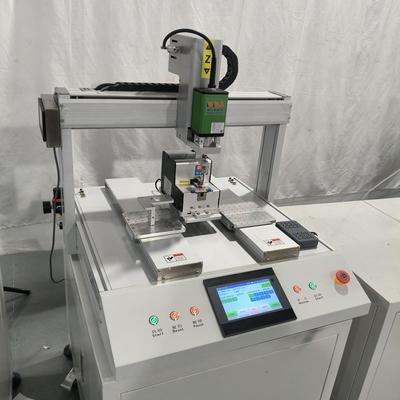
Product Name Applicable industries Desktop Screwdriver Robot LED Lighting Industry The global industrial landscape is undergoing a profound transformation, driven by the increasing adoption of automation technologies. Among these, automated fastening systems have emerged as a critical component, revolutionizing assembly processes across various sectors. The demand for these systems is experiencing significant growth, fueled by the need for higher efficiency, improved quality, and reduced operational costs. Automated fastening systems encompass a wide range of solutions, including robotic screwdriving, nut running, and precision tightening applications. These systems are designed to handle repetitive tasks with unparalleled accuracy and consistency, eliminating human error and enhancing overall productivity. In industries such as automotive, electronics, aerospace, and consumer goods, the integration of automated fastening technology has become essential for maintaining competitive advantage. One of the primary drivers behind the growing demand is the relentless pursuit of precision. Manual fastening processes are inherently variable, often leading to inconsistencies in torque application, which can compromise product quality and safety. Automated systems, however, ensure that every fastener is applied with exact specifications, reducing the risk of defects and recalls. This level of reliability is particularly crucial in sectors where safety and performance are paramount. Another key factor contributing to the rise in demand is the need for scalability. As markets evolve and production volumes fluctuate, manufacturers require flexible solutions that can adapt to changing requirements. Automated fastening systems offer the versatility to handle diverse product designs and production rates without significant reconfiguration. This adaptability allows companies to respond swiftly to market demands while optimizing resource utilization. Labor shortages and rising labor costs are also prompting industries to invest in automation. By deploying automated fastening systems, manufacturers can reduce their reliance on manual labor, mitigate the impact of workforce challenges, and reallocate human resources to more value-added tasks. This shift not only improves operational efficiency but also enhances employee satisfaction by reducing repetitive and physically demanding work. Technological advancements are further accelerating the adoption of automated fastening systems. Innovations such as vision-guided robotics, intelligent torque control, and IoT-enabled monitoring have elevated the capabilities of these systems. Real-time data collection and analysis enable predictive maintenance, minimize downtime, and provide valuable insights for process optimization. These smart features are transforming fastening from a mundane task into a strategic function within the manufacturing ecosystem. The global push for sustainability is also influencing the demand for automated fastening solutions. By optimizing material usage and reducing waste through precise application, these systems contribute to more environmentally friendly manufacturing practices. Additionally, the energy efficiency of modern automated equipment aligns with corporate sustainability goals, making them an attractive investment for forward-thinking organizations. In conclusion, the global demand for automated fastening systems is poised for continued growth as industries recognize their multifaceted benefits. From enhancing precision and scalability to addressing labor challenges and supporting sustainability initiatives, these systems are integral to the future of manufacturing. As technology continues to evolve, automated fastening will undoubtedly play an even more pivotal role in shaping efficient, reliable, and innovative industrial processes worldwide.
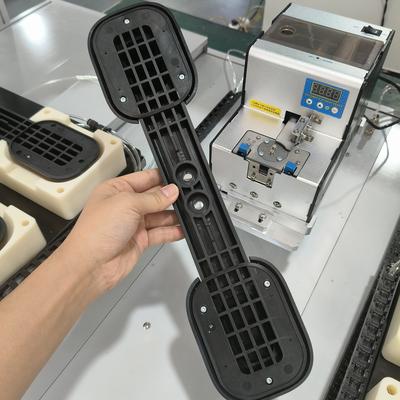
body { font-family: Arial, sans-serif; line-height: 1.6; color: #333; margin: 20px; } h1 { color: #0056b3; font-size: 28px; margin-bottom: 15px; } h2 { color: #004a93; font-size: 22px; margin-top: 25px; margin-bottom: 10px; } p { margin-bottom: 15px; } ul, ol { margin-bottom: 15px; margin-left: 20px; } li { margin-bottom: 5px; } strong { color: #0056b3; } Cost-Benefit Analysis of Screw Locking Automation In the competitive landscape of modern manufacturing, efficiency, reliability, and cost control are paramount. One critical yet often overlooked process is screw locking—the application of thread-locking adhesives to fasteners to prevent loosening under vibration and stress. While traditionally a manual operation, automating this process presents a significant opportunity for operational improvement. This article provides a comprehensive cost-benefit analysis of implementing screw locking automation, highlighting the tangible and intangible advantages for manufacturing operations. Understanding the Initial Investment The decision to automate any process begins with a clear understanding of the initial capital expenditure. For screw locking automation, this includes the cost of the automated dispensing systems, which may range from benchtop units for lower-volume applications to fully integrated robotic cells for high-speed production lines. Additional costs often involve system integration into existing assembly workflows, potential facility modifications, and operator training programs. While this upfront investment can be substantial, it is crucial to view it through the lens of long-term return and total cost of ownership. Quantifying the Tangible Benefits and Cost Savings The financial advantages of automation are typically realized through direct cost savings and increased productivity. Key areas of impact include: Labor Cost Reduction: Manual screw locking is repetitive, time-consuming, and requires consistent operator attention. Automation significantly reduces the labor hours dedicated to this task, allowing personnel to be redeployed to higher-value, more complex operations, thereby optimizing labor costs. Enhanced Throughput and Yield: Automated systems operate at consistently high speeds without fatigue, directly increasing the throughput of your assembly line. Furthermore, they drastically reduce human error, such as missed fasteners or incorrect adhesive application. This improvement in first-pass yield minimizes costly rework, scrap, and potential field failures. Material Savings: Precision automated dispensers apply a consistent, measured amount of thread-locker every time. This eliminates the waste and variability associated with manual application, leading to direct savings on consumable material costs over time. Improved Quality and Reliability: The consistent application ensures every fastener is secured to the exact same specification, enhancing the overall quality and long-term reliability of the final product. This reduces warranty claims and protects brand reputation. Evaluating the Intangible Strategic Advantages Beyond the easily quantifiable savings, automation offers strategic benefits that strengthen a company's market position: Workplace Safety and Ergonomics: Automating a repetitive manual task reduces the risk of repetitive strain injuries among operators, creating a safer work environment and potentially lowering associated insurance costs. Production Scalability and Flexibility: Automated systems can be programmed for different products and batch sizes, providing the flexibility to adapt quickly to changing market demands and production schedules without significant retooling or retraining delays. Data and Traceability: Modern automation systems provide valuable data on the production process, including output counts, error rates, and material usage. This data is essential for process optimization, traceability, and continuous improvement initiatives. Conducting Your Own Analysis A thorough cost-benefit analysis for your specific operation should involve calculating the Total Cost of Ownership (TCO) of the automation system against the projected savings. Factor in the initial investment, ongoing maintenance costs, and the projected savings from labor, material, quality improvements, and reduced downtime. The payback period—the time it takes for the savings to equal the initial investment—is a key metric. For many companies, automation projects for processes like screw locking demonstrate a compelling ROI, with payback periods often achievable within a few years, followed by ongoing annual savings. In conclusion, while the path to automation requires careful planning and investment, the financial and operational benefits of automating the screw locking process are clear. From direct cost savings and quality enhancements to improved safety and scalability, the advantages contribute significantly to building a more efficient, reliable, and competitive manufacturing operation. A detailed, company-specific analysis is the most effective way to validate these benefits and build a strong business case for automation. Product Name Applicable industries Screw Locking Robot Electric Bicycle Assembly
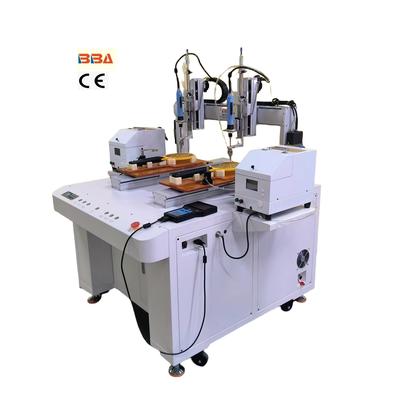
In der schnelllebigen Welt der Fertigung sind Effizienz und Präzision von größter Bedeutung. Ein Werkzeug, das Montagelinien in verschiedenen Branchen revolutioniert hat, ist der automatische Schraubenzuführer. Diese Systeme sind darauf ausgelegt, den Schraubvorgang zu optimieren und bieten eine Vielzahl von Vorteilen, die sich direkt auf Produktivität, Qualität und Betriebskosten auswirken. Für jedes Unternehmen, das mit Montage oder Produktion zu tun hat, ist die Integration automatischer Schraubenzuführer ein bedeutender Schritt zur Modernisierung und Optimierung des Arbeitsablaufs. Automatische Schraubenzuführer erhöhen zunächst die Produktionsgeschwindigkeit erheblich. Manuelles Schrauben ist eine zeitaufwändige und repetitive Aufgabe, die anfällig für menschliche Ermüdung ist. Operatoren müssen jede Schraube aufheben, positionieren und eindrehen – ein Prozess, der die gesamte Linie verlangsamt. Automatische Zuführer eliminieren diese Schritte, indem sie Schrauben korrekt ausgerichtet und bereit zum Eindrehen auf Knopfdruck oder Betätigung des Abzugs präsentieren. Diese kontinuierliche Zufuhr ermöglicht es den Operatoren, sich auf die Platzierung und Aktivierung zu konzentrieren, verkürzt die Zykluszeiten und ermöglicht eine viel höhere Ausgabe. In Hochvolumen-Fertigungsumgebungen ist diese Geschwindigkeitssteigerung ein Wendepunkt, der es Unternehmen ermöglicht, anspruchsvolle Fristen einzuhalten und die Produktion mühelos zu skalieren. Über die Geschwindigkeit hinaus verbessern diese Systeme die Konsistenz und Produktqualität erheblich. Menschliche Operatoren können Fehler machen – Kreuzanschneiden, Überdrehen oder Unterdrehen von Schrauben sind häufige Probleme, die zu Produktfehlern, Nacharbeit und potenziellen Ausfällen führen. Automatische Schraubenzuführer sind oft mit präzisen elektrischen oder pneumatischen Schraubendrehern integriert, die für jede einzelne Schraube ein voreingestelltes Drehmoment konsistent anwenden. Dies stellt sicher, dass jede Verbindung gemäß den Spezifikationen perfekt befestigt ist, und reduziert die Fehlerrate drastisch. Das Ergebnis ist ein zuverlässigeres Endprodukt, verbesserte Kundenzufriedenheit und ein stärkerer Ruf der Marke für Qualität. Ein weiterer kritischer Vorteil ist die deutliche Verbesserung der Arbeitssicherheit und Ergonomie. Wiederholungsbedingte Verletzungen (RSIs) in Handgelenken, Händen und Schultern sind ein bedeutendes Problem für Arbeiter, die manuelle Schraubvorgänge tausendfach am Tag ausführen. Automatische Zuführer reduzieren die repetitiven Bewegungen des Aufnehmens und Positionierens von Schrauben, minimieren die körperliche Belastung und das Risiko von RSIs. Dies führt zu einer gesünderen, komfortableren Belegschaft, geringerer Abwesenheit und reduzierten Kosten im Zusammenhang mit Arbeitsunfällen. Darüber hinaus steigert es die Moral der Operatoren, da die Mitarbeiter wertschöpfendere und weniger monotone Arbeit verrichten können. Aus Kostensicht amortisiert sich die Investition in automatische Schraubenzuführtechnologie schnell. Während initially Kapitalaufwand anfällt, sind die Renditen beträchtlich. Die Kombination aus höherem Durchsatz, reduzierten Arbeitskosten pro Einheit, weniger Fehlern, die Nacharbeit oder Ausschuss erfordern, und geringeren Kosten durch verletzungsbedingte Ausfallzeiten trägt zu einer sehr attraktiven Kapitalrendite (ROI) bei. Darüber hinaus helfen diese Systeme, Materialverschwendung zu reduzieren, indem sichergestellt wird, dass Schrauben während der Handhabung nicht fallen geloren oder verloren gehen, was zu einem schlankeren und kosteneffektiveren Betrieb beiträgt. Schließlich bieten automatische Schraubenzuführer bemerkenswerte Flexibilität. Moderne Systeme können so konfiguriert werden, dass sie eine Vielzahl von Schraubengrößen und -typen handhaben, von winzigen M1-Schrauben bis hin zu größeren Befestigungselementen. Sie können auf Werktischen montiert, in automatisierte Montageroboter integriert oder sogar in tragbaren Einheiten für größere Produkte verwendet werden. Diese Anpassungsfähigkeit macht sie für eine Vielzahl von Anwendungen geeignet, von der Elektronik- und Automobilmontage bis hin zur Herstellung von Konsumgütern und Medizingeräten. Zusammenfassend sind die Vorteile der Verwendung automatischer Schraubenzuführer in der Fertigung klar und überzeugend. Sie sind nicht nur eine Bequemlichkeit, sondern ein strategisches Werkzeug für jedes Unternehmen, das einen Wettbewerbsvorteil sucht. Durch unübertroffene Geschwindigkeit, unerschütterliche Konsistenz, verbesserte Arbeitssicherheit und eine starke finanzielle Rendite sind automatische Schraubenzuführer zu einem unverzichtbaren Bestandteil der modernen, effizienten und hochwertigen Fertigung geworden. Produktname Anwendbare Branchen Automatische Schraubmaschine Produktion von Smart Wearables
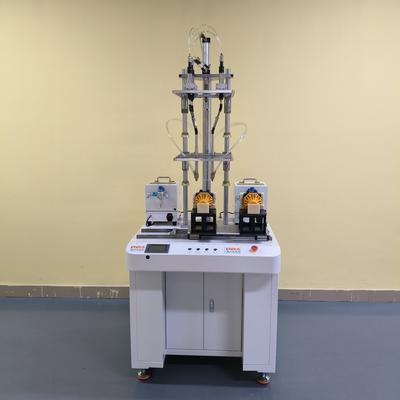
Produktname Anwendbare Branchen Servo-Schraubroboter Elektrofahrrad-Montage body { font-family: Arial, sans-serif; line-height: 1.6; margin: 20px; } h2 { color: #2c3e50; } h3 { color: #3498db; margin-top: 20px; } p { margin-bottom: 15px; } ul { margin-bottom: 15px; padding-left: 20px; } li { margin-bottom: 8px; } strong { color: #e74c3c; } Schulung von Mitarbeitern an Schraubanziehmaschinen Effektives Training ist entscheidend, um die Produktivität zu maximieren, die Produktqualität sicherzustellen und ein sicheres Arbeitsumfeld bei der Verwendung industrieller Schraubanziehmaschinen zu gewährleisten. Ein gut geschulter Operator kann Fehlerquoten erheblich reduzieren, Maschinenausfallzeiten minimieren und kostspielige Nacharbeit verhindern. Dieser Leitfaden skizziert einen umfassenden Ansatz zur Schulung Ihrer Mitarbeiter an diesen wichtigen Geräten. 1. Grundlagenwissen: Die Theorie hinter dem Werkzeug Bevor ein Operator jemals eine Maschine berührt, muss er die grundlegenden Prinzipien verstehen. Beginnen Sie mit klassenraumähnlichen Sitzungen zu: Die Bedeutung von Präzision: Erklären Sie, wie korrektes Drehmoment und Winkel direkt die Produktintegrität, Sicherheit und Leistung beeinflussen. Maschinenkomponenten: Unterteilen Sie die Hauptteile der Schraubanziehmaschine, einschließlich Controller, Motor, Spindel und Werkzeuge. Schlüsselbegriffe: Stellen Sie sicher, dass alle mit Begriffen wie Drehmoment (Nm, lbf-in), Winkel, Streckgrenze und Anziehvorgang vertraut sind. Klären Sie den Unterschied zwischen hartem und weichem Verbindungspunkt. Fehlercodes & Diagnostik: Führen Sie häufige Fehlermeldungen und ihre Bedeutungen ein. Dies befähigt die Operatoren zu verstehen, was die Maschine kommuniziert. 2. Praktische Ausbildung Theoretisches Wissen muss durch praktische, beaufsichtigte Erfahrung untermauert werden. Diese Phase sollte in einer kontrollierten Trainingsumgebung durchgeführt werden. Maschineneinrichtung & Umrüstung: Schulen Sie Mitarbeiter darin, wie sie Bits sicher installieren und wechseln, Vorrichtungen anpassen und das richtige Programm für eine bestimmte Aufgabe auswählen. Durchführung eines Zyklus: Demonstrieren Sie den gesamten Prozess, vom Platzieren der Komponente und Positionieren des Werkzeugs bis zum Starten des Anziehzyklus. Betonen Sie ergonomische Handhabung zur Vermeidung von Belastungen. Verifizierung und Qualitätskontrolle: Zeigen Sie Operatoren, wie sie einen erfolgreichen Anziehzyklus anhand der Datenausgabe der Maschine überprüfen. Führen Sie sie in die Verwendung manueller Drehmomentprüfer für periodische Audits ein. Grundlegende Fehlerbehebung: Führen Sie sie durch die Lösung häufiger Probleme wie Kreuzverschraubung, vergessene Schrauben oder Fehleralarme. Bringen Sie ihnen das Verfahren "Stoppen, Bewerten, Melden" für komplexere Fehler bei. 3. Sicherheit an erster Stelle Sicherheitstraining ist nicht verhandelbar. Jeder Operator muss sich der potenziellen Gefahren bewusst sein. Persönliche Schutzausrüstung (PSA): Vorschreiben und bereitstellen von Sicherheitsbrillen, Gehörschutz und Handschuhen, wo angebracht. Einzugstellen und Ergonomie: Identifizieren Sie deutlich alle Maschineneinzugstellen. Schulen Sie in richtiger Haltung und Handhabungstechniken, um repetitive Belastungsverletzungen zu vermeiden. Notfallverfahren: Stellen Sie sicher, dass jeder den Standort und die Bedienung von Not-Aus-Tasten kennt und die Ausschalt- und Kennzeichnungsverfahren (LOTO) für Wartungsarbeiten versteht. 4. Nutzung von Technologie für verbessertes Lernen Moderne Schraubanziehmaschinen sind datenreich. Nutzen Sie dies zu Ihrem Vorteil. Datenüberwachung: Schulen Sie Vorgesetzte und Operatoren in der Interpretation von Prozessdaten und Histogrammen. Dies verwandelt abstrakte Konzepte in sichtbare Ergebnisse, zeigt die Streuung der Drehmomentwerte und identifiziert Ergebnisse außerhalb der Spezifikation. Simulationsmodus: Nutzen Sie den Simulations- oder Trainingsmodus der Maschine, um das Üben ohne Verbrauch actualer Komponenten oder Beeinflussung der Produktionsstatistiken zu ermöglichen. 5. Dokumentation und kontinuierliche Verbesserung Training sollte keine einmalige Veranstaltung sein. Schaffen Sie eine Kultur des kontinuierlichen Lernens. Erstellen Sie zugängliche SOPs: Entwickeln Sie klare, visuelle Standardarbeitsanweisungen (SOPs), die am Arbeitsplatz readily verfügbar sind. Zertifizierungsprogramm: Implementieren Sie einen formalen Zertifizierungsprozess, bei dem Operatoren Kompetenz in Theorie und Praxis nachweisen müssen, um qualifiziert zu sein, die Maschine unabhängig zu nutzen. Auffrischungskurse: Planen Sie periodische Auffrischungstrainings, um schlechte Gewohnheiten anzusprechen, neue Funktionen einzuführen und Sicherheitsprotokolle zu verstärken. Die Investition in ein strukturiertes, mehrstufiges Trainingsprogramm für Schraubanziehmaschinen ist eine Investition in die Effizienz Ihres Unternehmens, die Qualität und vor allem in die Sicherheit Ihrer Belegschaft. Indem Sie eine Wissensgrundlage aufbauen, ausreichend praktische Übung bieten und eine Kultur der kontinuierlichen Verbesserung fördern, befähigen Sie Ihre Operatoren, kompetente und wertvolle Mitwirkende in Ihrem Produktionsprozess zu werden.
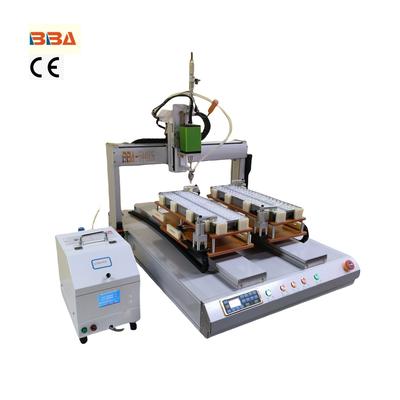
Product Name Applicable industries CNC Screw Fastener PCB and Circuit Board Assembly body { font-family: Arial, sans-serif; line-height: 1.6; color: #333; margin: 20px; } h1 { color: #0056b3; font-size: 28px; margin-bottom: 20px; } h2 { color: #003366; font-size: 22px; margin-top: 25px; margin-bottom: 15px; } p { margin-bottom: 15px; text-align: justify; } ul { margin-bottom: 15px; padding-left: 20px; } li { margin-bottom: 8px; } .highlight { background-color: #f5f5f5; padding: 15px; border-radius: 5px; margin: 20px 0; } Intelligent Feeding Systems for Continuous Fastening In the realm of industrial automation, efficiency and precision are paramount. The advent of Intelligent Feeding Systems has revolutionized the way manufacturing and assembly lines handle continuous fastening processes. These advanced systems are designed to streamline operations, reduce downtime, and enhance overall productivity by ensuring a seamless and reliable supply of fasteners such as screws, bolts, and rivets to automated tools. The Core Technology Behind Intelligent Feeding Intelligent Feeding Systems integrate sophisticated technologies to deliver fasteners with unparalleled accuracy and speed. At the heart of these systems are high-precision vibratory bowls or centrifugal feeders that orient and feed components correctly. Coupled with advanced sensors and vision systems, they can detect and reject defective or misoriented parts in real-time, preventing jams and ensuring only perfect fasteners reach the point of use. Modern systems are equipped with IoT connectivity and data analytics capabilities. This allows for continuous monitoring of feeding performance, predictive maintenance alerts, and remote troubleshooting. By analyzing data on feed rates, jam occurrences, and component quality, these systems can self-optimize, reducing unplanned stoppages and maintenance costs significantly. Key benefits of implementing an Intelligent Feeding System include a dramatic reduction in manual intervention, a decrease in fastener waste, and a substantial improvement in the overall equipment effectiveness (OEE) of the production line. Enhancing Flexibility and Scalability Today's manufacturing demands require systems that are not only efficient but also highly adaptable. Intelligent Feeding Systems are designed with modularity in mind, allowing for quick changeovers between different fastener types and sizes. This flexibility is crucial for production lines that handle high-mix, low-volume batches, enabling manufacturers to respond swiftly to changing market demands without costly retooling or extended downtime. Scalability is another critical advantage. Whether integrated into a single workstation or a complex multi-station assembly cell, these systems can be easily expanded or reconfigured. This ensures that as production volumes grow or new product lines are introduced, the feeding technology can grow accordingly, protecting the initial investment and future-proofing the operation. Driving Quality and Consistency Consistent quality in fastening is non-negotiable for product integrity and safety. Intelligent Feeding Systems play a pivotal role in achieving this by guaranteeing that the right fastener is delivered at the right time and in the correct orientation. This eliminates human error and variability, leading to a dramatic reduction in defects related to missed, cross-threaded, or improperly torqued fasteners. The integration of these systems with smart electric torque tools further enhances quality control. The feeding system can communicate directly with the tool, providing data on the fastener being delivered and confirming its specifications. This closed-loop process ensures every joint is completed to exact engineering specifications, with all data recorded for full traceability and compliance. In conclusion, Intelligent Feeding Systems for continuous fastening are no longer a luxury but a necessity for modern industrial automation. They represent a significant leap forward in creating smarter, more connected, and more efficient manufacturing environments. By investing in this intelligent technology, companies can secure a formidable competitive advantage through superior productivity, unmatched quality, and remarkable operational agility.