8618566785362 8618566785362 8618566785362 phoenix08@bbamachine.com
- All
- Product Name
- Product Keyword
- Product Model
- Product Summary
- Product Description
- Multi Field Search

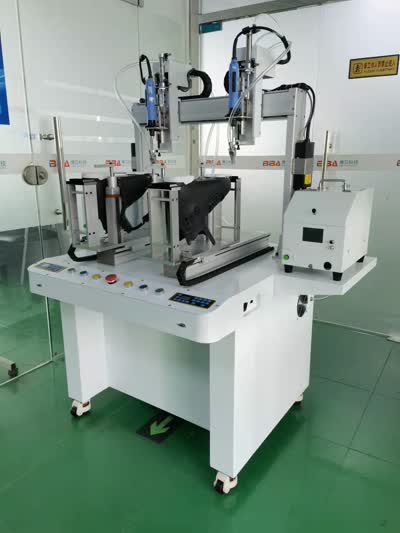
.body-style { font-family: Arial, sans-serif; line-height: 1.6; color: #333; margin: 20px; } .h2-style { color: #0056b3; font-size: 24px; margin-top: 20px; margin-bottom: 10px; } .p-style { margin-bottom: 15px; } .strong-style { color: #0056b3; font-weight: bold; } Key Phrases to Target for Screw Assembly Marketing In the competitive landscape of industrial automation, effectively communicating the value of your screw assembly solutions is paramount. The right marketing language not only captures attention but also resonates deeply with the specific needs and pain points of your target audience. To craft compelling messages that drive engagement and conversion, it is essential to focus on key phrases that highlight efficiency, precision, reliability, and innovation. Enhancing Production Efficiency and Throughput One of the primary concerns for manufacturing professionals is maximizing output without compromising quality. Phrases such as "high-speed automated screw driving" and "maximize production line throughput" directly address this need. These terms emphasize the ability of your systems to accelerate assembly processes, reduce cycle times, and handle high-volume demands seamlessly. By highlighting these capabilities, you appeal to operations managers seeking to optimize their manufacturing floors and achieve significant productivity gains. Ensuring Uncompromising Quality and Reliability Quality control is a non-negotiable aspect of screw assembly. Marketing messages should incorporate phrases like "error-proof fastening solutions" and "zero-defect assembly processes". These phrases assure potential clients of the precision and consistency of your equipment. They speak to engineers and quality assurance managers who prioritize reducing rework, minimizing product failures, and maintaining stringent quality standards. Emphasizing reliability builds trust and positions your products as critical components for mission-critical applications. Adapting to Flexible Manufacturing Needs Modern manufacturing requires agility. Terms such as "quick-changeover capabilities" and "flexible automation for mixed production" are highly effective. They demonstrate that your screw assembly systems can adapt rapidly to different product designs, batch sizes, and assembly requirements. This flexibility is crucial for industries like automotive and electronics, where production lines must frequently switch between variants. Targeting this phrase appeals to planners and engineers looking for scalable and versatile automation solutions. Integration and Ease of Use The ease of integrating new equipment into existing lines is a major purchasing factor. Highlighting "seamless integration with existing machinery" and "user-friendly programming interface" addresses common concerns about implementation complexity and training time. These phrases are particularly attractive to plant managers and maintenance teams who seek to minimize downtime and ensure a smooth transition to automated processes. Stressing intuitive operation reduces perceived barriers to adoption. Driving Cost Reduction and ROI Ultimately, investment in automation is driven by financial return. Powerful marketing phrases include "significant reduction in direct labor costs" and "rapid return on investment (ROI)". These speak directly to the bottom-line concerns of financial decision-makers and executives. By quantifying the potential savings and outlining the clear economic benefits, your marketing materials can effectively justify the investment and demonstrate the long-term value of your screw assembly systems. By strategically incorporating these targeted key phrases into your website content, brochures, and sales presentations, you can more effectively connect with your audience's core objectives. This focused approach ensures your marketing message is both seen and understood, driving growth and establishing your brand as a leader in industrial automation solutions. Product Name Applicable industries Desktop Screwdriver Robot Industrial Control Panel Assembly

Product Name Applicable industries Auto Screwdriver Machine Electric Bicycle Assembly body { font-family: Arial, sans-serif; line-height: 1.6; margin: 20px; } h1 { color: #2c3e50; font-size: 28px; margin-bottom: 10px; } p { margin-bottom: 15px; color: #333; } strong { color: #16a085; } Achieving Consistent Torque with Automation In the world of industrial manufacturing, precision is not just a goal—it is a necessity. Among the many parameters that define quality and reliability, torque consistency stands out as a critical factor. Whether assembling delicate electronics or heavy machinery, the application of accurate and repeatable torque ensures product integrity, safety, and performance. Manual torque application, however, is prone to human error, fatigue, and variability. This is where automation steps in, transforming torque control into a seamless, precise, and highly efficient process. Automated torque systems leverage advanced technologies to deliver unmatched consistency. These systems integrate sensors, controllers, and actuators to monitor and adjust torque in real-time, ensuring every fastener meets exact specifications. The benefits are multifaceted: reduced defect rates, enhanced worker safety, and improved production throughput. For industries such as automotive, aerospace, and consumer electronics, where torque tolerances are exceptionally tight, automation is no longer a luxury but a fundamental requirement. One of the key components in achieving consistent torque is the use of servo-driven tools. These tools provide closed-loop feedback, continuously measuring the applied torque and making instantaneous corrections. This level of control eliminates under-torquing, which can lead to loose connections and potential failures, and over-torquing, which may cause damage to components or threads. The data collected during the process can also be logged for quality assurance and traceability, supporting compliance with industry standards and regulations. Moreover, automated torque systems are designed to integrate seamlessly into existing production lines. They can be programmed for multiple tasks, adapting to different products and torque requirements without manual reconfiguration. This flexibility allows manufacturers to respond quickly to changing demands while maintaining high levels of accuracy. Robotics play a significant role here, with automated arms equipped with torque sensors capable of performing complex assemblies with precision that far exceeds human capability. Another advantage is the reduction in physical strain on workers. Repetitive manual torque application can lead to musculoskeletal disorders and fatigue, increasing the risk of errors and injuries. By automating these tasks, companies not only improve product quality but also promote a safer and more ergonomic work environment. Employees can be upskilled to oversee and manage automated systems, focusing on more value-added activities rather than repetitive manual labor. Looking ahead, the future of torque automation is set to become even more intelligent. With the integration of Internet of Things (IoT) technologies, torque systems can be connected to centralized monitoring platforms. This enables predictive maintenance, where data analytics identify potential issues before they cause downtime, and continuous optimization of torque processes based on real-time performance metrics. The result is a smarter, more responsive manufacturing ecosystem. In conclusion, achieving consistent torque with automation is a transformative approach that elevates manufacturing standards. It ensures that every product is built with precision, reliability, and efficiency. As industries continue to evolve towards greater automation, embracing advanced torque control solutions will be key to maintaining competitiveness and meeting the ever-increasing demands for quality and safety.
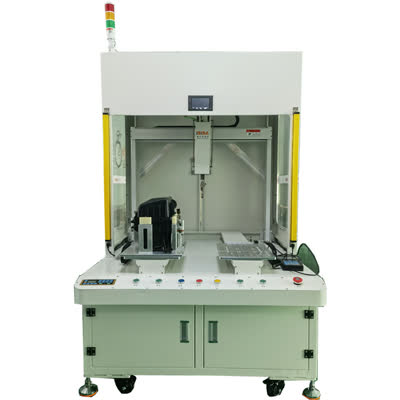
Product Name Applicable industries Automatic Screw Feeder Smart Wearables Production body { font-family: Arial, sans-serif; line-height: 1.6; color: #333; } h1 { color: #0056b3; font-size: 28px; margin-bottom: 20px; } h2 { color: #004a99; font-size: 22px; margin-top: 25px; margin-bottom: 15px; } p { margin-bottom: 15px; } ul { margin-bottom: 15px; padding-left: 20px; } li { margin-bottom: 8px; } strong { color: #004a99; } Questions to Ask Before Buying a Screw Locking Machine Investing in industrial automation equipment is a significant decision that can greatly impact your production efficiency, product quality, and bottom line. A screw locking machine, also known as a screwdriving system, is a crucial piece of equipment for countless assembly lines. Choosing the right one requires careful consideration. To ensure you make a well-informed purchase that aligns with your specific needs, here are the essential questions you should ask. What Are My Application Requirements? Before you even look at different models, you must have a deep understanding of your own application. Start by asking: Screw Specifications: What is the size, type, pitch, and material of the screws you will be using? The machine must be compatible with your fasteners. Torque and Angle Requirements: What are the precise torque and angle specifications for a perfect lock? This is critical for product quality and consistency. Part Design: What is the geometry of the part being assembled? Are there accessibility issues or unique angles the machine must accommodate? Production Volume and Speed: What is your required output in units per hour or per shift? This will determine whether you need a simple benchtop unit or a high-speed automated system. What Level of Automation Do I Need? Screw locking machines range from semi-automatic to fully automated cells. You need to decide the right level for your process. Manual Presentation: Will an operator present the part and trigger the machine? Automatic Feeding: Do you need an integrated system that automatically feeds screws to the driver, significantly increasing speed and reducing operator fatigue? Robotic Integration: Should the screwdriver be mounted on a robot for complex, multi-point assembly tasks? Matching the automation level to your volume and labor availability is key to maximizing your return on investment. How Will the Machine Integrate Into My Existing Line? The new equipment must work seamlessly with your current setup. Important integration questions include: Physical Footprint: How much floor or bench space is available for the machine? Connectivity and Data: Does the machine offer PLC connectivity (e.g., via Ethernet/IP, Profinet, Modbus) for seamless integration into your factory's control system? Can it provide data output for traceability and process monitoring? Power Requirements: What are the electrical and air pressure requirements? Ensure your facility can meet them. What About Ease of Use and Changeover? In modern manufacturing, flexibility is vital. If you produce multiple products, you must ask: How quickly can the machine be reprogrammed for a different screw or torque setting? Look for intuitive user interfaces with recipe storage. How difficult is it to change the feeder bowl or driver bit? Quick-change features can drastically reduce downtime during product changeovers. What Kind of Support and Service Can I Expect? The relationship with your supplier doesn't end at the sale. Probe into their after-sales support: Installation and Training: Do they offer on-site installation and comprehensive training for your operators and maintenance staff? Technical Support: What is the availability of their technical support team? Is there local expertise? Spare Parts and Warranty: What is the lead time for critical spare parts? What does the warranty cover and for how long? Asking these detailed questions will provide clarity and guide you toward the ideal screw locking solution. A thorough evaluation process ensures the machine you select not only performs the task but also enhances your overall manufacturing strategy, providing reliability, quality, and efficiency for years to come.
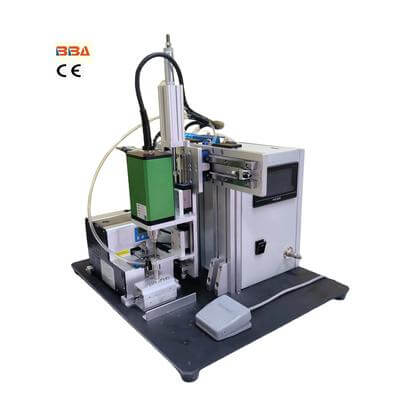
Product Name Applicable industries Inline Screw Locking System Automotive Electronics Assembly body { font-family: Arial, sans-serif; line-height: 1.6; margin: 20px; } h1 { color: #2c3e50; font-size: 28px; margin-bottom: 20px; } h2 { color: #34495e; font-size: 22px; margin-top: 25px; margin-bottom: 15px; } p { margin-bottom: 15px; color: #333; } ul { margin-bottom: 15px; padding-left: 20px; } li { margin-bottom: 8px; } strong { color: #16a085; } Desktop Robots for Precision Screw Tightening In the realm of industrial automation, precision and reliability are paramount. One of the critical processes in manufacturing and assembly is screw tightening, a task that, while seemingly simple, requires consistent accuracy to ensure product quality and safety. Manual screw tightening is prone to human error, leading to inconsistencies, stripped threads, and potential product failures. This is where desktop robots designed for precision screw tightening come into play, revolutionizing assembly lines with their unmatched accuracy and efficiency. The Need for Automation in Screw Tightening Traditional manual screw tightening processes often face challenges such as operator fatigue, variability in torque application, and difficulty in maintaining high throughput over extended periods. These issues can result in compromised product integrity and increased rework rates. Automated screw tightening solutions address these pain points by delivering consistent, high-quality results every time, reducing the risk of errors and enhancing overall production efficiency. Key Features of Desktop Screw Tightening Robots Modern desktop robots for screw tightening are equipped with advanced features that make them indispensable in precision-driven industries. These compact yet powerful systems are designed to integrate seamlessly into existing production setups, offering flexibility and scalability. High Precision Torque Control: These robots utilize sophisticated torque sensors and control algorithms to apply exact torque levels, ensuring each screw is tightened to specification without over-tightening or under-tightening. Adaptive Flexibility: With programmable settings and easy-to-configure software, these robots can handle a variety of screw sizes, types, and materials, making them suitable for diverse applications from electronics to automotive components. User-Friendly Interface: Intuitive software allows operators to set parameters, monitor performance, and troubleshoot issues with minimal training, reducing downtime and enhancing productivity. Compact Design: Their small footprint makes them ideal for benchtop applications where space is limited, without compromising on power or capability. Data Logging and Traceability: Integrated sensors record torque and angle data for each tightening operation, providing valuable insights for quality control and process optimization. Benefits of Implementing Desktop Robots Integrating desktop robots for screw tightening into manufacturing processes offers numerous advantages. Firstly, they significantly improve product consistency by eliminating human error, leading to higher quality outputs and reduced defect rates. Secondly, these robots enhance operational efficiency by working at high speeds without fatigue, increasing throughput and reducing cycle times. Additionally, they contribute to a safer work environment by minimizing repetitive strain injuries associated with manual tightening tasks. Lastly, the data collected by these systems enables continuous process improvement, helping manufacturers meet stringent quality standards and comply with industry regulations. Applications Across Industries Desktop screw tightening robots are versatile tools used in various sectors. In electronics manufacturing, they ensure delicate components are assembled with precise torque to prevent damage. In the automotive industry, they are employed for critical assemblies where reliability is non-negotiable. Medical device manufacturers rely on them to meet strict hygiene and precision requirements. Their adaptability makes them valuable in any setting where accuracy and repeatability are essential. Future Trends and Innovations The future of desktop robots for screw tightening looks promising, with ongoing advancements in artificial intelligence and machine learning. These technologies will enable even smarter systems capable of self-calibration, predictive maintenance, and adaptive learning to optimize performance over time. As industries continue to embrace Industry 4.0, these robots will play a crucial role in creating interconnected, intelligent factories that prioritize efficiency, quality, and sustainability. In conclusion, desktop robots for precision screw tightening represent a significant leap forward in industrial automation. By combining accuracy, flexibility, and ease of use, they empower manufacturers to achieve new levels of productivity and quality. As technology evolves, these systems will continue to set the standard for excellence in assembly processes worldwide.
Product Name Applicable industries Desktop Screwdriver Robot Drone and UAV Manufacturing body {font-family: Arial, sans-serif; line-height: 1.6; margin: 20px; color: #333;} h2 {color: #1a5c9e; font-size: 22px; margin-bottom: 15px;} h3 {color: #2c6bae; font-size: 18px; margin-top: 20px; margin-bottom: 10px;} p {margin-bottom: 15px; text-align: justify;} ul {margin-bottom: 15px; margin-left: 20px;} li {margin-bottom: 8px;} strong {color: #555;} Troubleshooting Common Technical Issues in Screw Locking Machines Screw locking machines are fundamental to assembly lines across numerous industries, ensuring product integrity and reliability through precise and consistent fastening. However, like any sophisticated piece of industrial automation equipment, they can occasionally encounter operational issues that disrupt production flow. Understanding how to diagnose and resolve these common problems is key to minimizing downtime and maintaining high efficiency. This article outlines several typical technical challenges and provides practical troubleshooting steps. 1. Inconsistent Torque Output One of the most frequent issues operators face is inconsistent or inaccurate torque delivery. This can result in under-tightened screws, which compromise product safety, or over-tightened screws, which can damage threads or the fastener itself. Potential Causes and Solutions: Tool Calibration: The most common cause is a tool that has fallen out of calibration due to regular wear and tear. Regularly scheduled calibration according to the manufacturer's guidelines is essential to maintain accuracy. Air Supply (for pneumatic models): Fluctuations in air pressure can lead to inconsistent torque. Ensure the air compressor is providing a stable, clean, and dry supply of air at the recommended pressure level. Check for leaks in the airline. Mechanical Wear: Worn-out components like clutches in pulse tools or DC motors in electric screwdrivers can cause performance drift. A preventative maintenance schedule should include inspection and replacement of these wear-prone parts. 2. Screw Slippage or Cross-Threading This occurs when the driver bit fails to engage the screw head properly, causing damage to the screw head (cam-out) or misalignment that leads to cross-threading. Potential Causes and Solutions: Worn or Incorrect Driver Bit: Bits wear down over time and lose their grip. Inspect bits regularly and replace them at the first sign of wear. Always use bits that match the screw type and size perfectly. Feed System Misalignment: If the screw presenting system (e.g., hopper, bowl feeder, nose piece) is not perfectly aligned with the driver, the screw will not be presented straight. Verify and adjust the alignment of the feeding mechanism to ensure the screw is vertical and centered. Operator or Robot Path Error: For handheld or robotic applications, the approach angle is critical. The tool must approach the workpiece perpendicularly to avoid cross-threading. Re-programming the robot path or retraining operators on the correct approach can resolve this. 3. Machine Stoppages or Jamming Unexpected stoppages halt production and are often caused by issues in the screw feeding system. Potential Causes and Solutions: Screw Contamination: Dirty, rusty, or non-standard screws can jam the feeder bowl or the nose piece. Always use clean, high-quality fasteners that meet specification. Implement a cleaning schedule for the hopper and bowl feeder. Feed System Blockage: Debris or a damaged screw can obstruct the feed track or hose. Regularly clear the feed path and inspect for any obstructions or wear. Sensor Fault: Faulty photoelectric or proximity sensors may fail to detect the presence of a screw, causing the machine to stop unnecessarily. Check sensor alignment, cleanliness, and functionality. 4. Error Codes and Electronic Faults Modern electric screwdrivers often display error codes on their controllers or HMIs, which can point to specific internal problems. Potential Causes and Solutions: Overload or Overheating: Continuous operation at high torque can cause the motor to overheat and trigger a fault. Allow the tool to cool down and ensure it is used within its rated duty cycle. Check for mechanical binding that might be causing excessive load. Controller Communication Loss: Loose wiring or connector issues can cause communication errors between the tool, controller, and PLC. Power down the system and check all electrical connections for security. Software Glitch: Occasionally, a power surge or bug can cause the controller software to lock up. A simple power cycle (turning the machine off and on again) often clears temporary glitches. Implementing a robust preventative maintenance program is the most effective strategy to prevent these issues from occurring in the first place. Regular inspection, cleaning, calibration, and replacement of consumable parts like driver bits will significantly enhance the reliability and lifespan of your screw locking equipment, ensuring smooth and uninterrupted production.
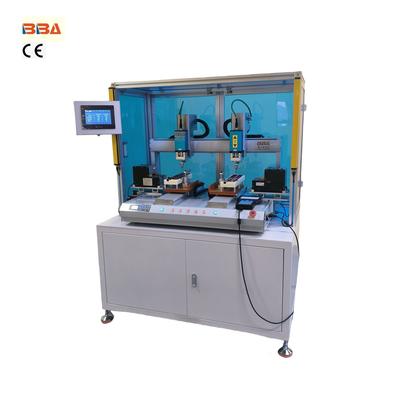
Nome del Prodotto Settori industriali applicabili Macchina Intelligente per Avvitamento Assemblaggio Elettronico Automobilistico Migliori Pratiche per l'Impostazione di una Linea di Avvitamento Automatico body { font-family: Arial, sans-serif; line-height: 1.6; margin: 20px; } h1 { color: #2c3e50; font-size: 28px; margin-bottom: 20px; } h2 { color: #34495e; font-size: 22px; margin-top: 25px; margin-bottom: 15px; } p { margin-bottom: 15px; text-align: justify; } ul { margin-bottom: 15px; padding-left: 20px; } li { margin-bottom: 8px; } strong { color: #16a085; } Migliori Pratiche per l'Impostazione di una Linea di Avvitamento Automatico Nel campo dell'automazione industriale, l'implementazione di una linea di serraggio automatico rappresenta un passo significativo verso il miglioramento dell'efficienza produttiva, garantendo una qualità del prodotto costante e riducendo i costi operativi. Una linea di avvitamento automatico configurata correttamente minimizza gli errori umani, allevia lo sforzo ergonomico sui lavoratori e accelera i cicli di assemblaggio. Tuttavia, raggiungere questi benefici richiede una pianificazione e un'esecuzione meticolose. Questo articolo delinea le migliori pratiche fondamentali per impostare un sistema di avvitamento automatico robusto e affidabile. 1. Analisi e Pianificazione Completa del Processo Prima di selezionare qualsiasi apparecchiatura, è fondamentale un'analisi approfondita del processo di assemblaggio esistente. Identificare le specifiche operazioni di serraggio, inclusi i tipi di viti utilizzate (lunghezza, diametro, stile della testa), i valori di coppia richiesti e l'accessibilità dei punti di serraggio. Considerare il volume di produzione e gli obiettivi del tempo di ciclo. Mappare l'intero processo aiuta a determinare il livello ottimale di automazione—se una cella a stazione singola, un sistema multi-spindello o una linea robotizzata completamente integrata sia più adatta. Questo passo fondamentale previene errori costosi e assicura che la soluzione di automazione si allinei perfettamente con gli obiettivi produttivi. 2. Selezione dell'Attrezzatura Giusta Scegliere hardware appropriato è critico. I componenti core tipicamente includono alimentatori automatici di viti, avvitatori elettrici o pneumatici e spesso, un braccio robotico o un sistema cartesiano per il posizionamento. I criteri di selezione chiave sono: Alimentatore di Viti: Optare per un modello di alimentatore che gestisca in modo affidabile il tipo specifico di vite senza inceppamenti. Gli alimentatori a vibrazione sono comuni, ma i nuovi sistemi flessibili a nastro possono essere eccellenti per viti delicate o piccole. Avvitatore: Selezionare un avvitatore capace di fornire un controllo preciso e ripetibile della coppia. Gli avvitatori elettrici sono preferiti per la loro accuratezza e capacità di registrazione dei dati, essenziali per la tracciabilità in applicazioni critiche per la qualità. Sistema di Posizionamento: La scelta tra automazione fissa dedicata e un robot programmabile dipende dalla varietà dei pezzi. Per produzioni ad alto mix, un robot a 6 assi offre una flessibilità senza pari per accedere a più punti. 3. Garantire la Presentazione del Pezzo e la Stabilità del Bloccaggio Il sistema di automazione è buono solo quanto il pezzo su cui lavora. Il pezzo deve essere presentato all'unità di avvitamento in una posizione altamente ripetibile e stabile. Investire in dispositivi di fissaggio e maschere di precisione che tengano saldamente il componente, prevenendo qualsiasi movimento durante il processo di serraggio. Per le linee basate su nastro trasportatore, assicurare un posizionamento preciso tramite arresti meccanici o sistemi guidati da visione. Parti instabili possono portare a viti guidate male, filettature incrociate o danni al prodotto e all'attrezzatura. 4. Integrazione e Calibrazione Meticolosa del Sistema L'integrazione implica sincronizzare l'alimentatore di viti, l'avvitatore e il sistema di posizionamento in un'unità coesa. Prestare molta attenzione all'allineamento tra la punta dell'avvitatore e la vite presentata dall'alimentatore. Anche un leggero disallineamento può causare fallimenti di presa. Calibrare le impostazioni di coppia per ogni tipo di vite secondo le specifiche ingegneristiche e eseguire test estesi per stabilire velocità e profondità ottimali dell'avvitatore. Implementare sensori per la verifica—come sensori di presenza per confermare la presa della vite e monitor di coppia per validare la serratura—è una pratica non negoziabile per raggiungere una produzione a zero difetti. 5. Manutenzione Robusta e Formazione degli Operatori Una linea di avvitamento automatico è un investimento a lungo termine che richiede cura proattiva per mantenere prestazioni di picco. Stabilire un programma di manutenzione regolare che includa la pulizia della vibbowl e delle guide, l'ispezione delle punte dell'avvitatore per usura e il controllo della calibrazione della coppia. Inoltre, formare in modo completo i tecnici di manutenzione e gli operatori di linea su come operare il sistema, eseguire basic troubleshooting e identificare segni precoci di potenziali problemi come inceppamenti dell'alimentatore o diminuzione dell'accuratezza della coppia. Personale competente è cruciale per minimizzare i tempi di fermo e assicurare operazioni continue. Conclusione Implementare una linea di serraggio automatico è una strategia potente per la produzione moderna. Aderendo a queste migliori pratiche—dalla rigorosa pianificazione iniziale e selezione dell'attrezzatura al fissaggio stabile, calibrazione precisa e manutenzione diligente—le aziende possono costruire un sistema che offre affidabilità, qualità e produttività senza pari. Una linea di avvitamento automatico ben progettata non solo semplifica l'assemblaggio ma diventa anche una pietra angolare di un'operazione manifatturiera più efficiente e competitiva.
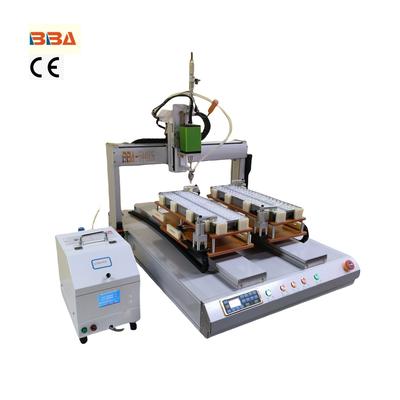
Nel mondo dell'automazione industriale, i meccanismi di alimentazione delle viti rappresentano un componente critico ma spesso trascurato dei sistemi di assemblaggio. Questi meccanismi sono responsabili della consegna precisa ed efficiente dei dispositivi di fissaggio, garantendo che le linee di produzione operino senza intoppi e con tempi di fermo minimi. Le recenti innovazioni in questo campo hanno notevolmente migliorato l'affidabilità, la velocità e la flessibilità dei sistemi di alimentazione delle viti, rendendoli più adattabili alle esigenze evolutive della produzione moderna. Uno degli avanzamenti più notevoli è lo sviluppo di sistemi intelligenti di alimentazione viti guidati da visione. I sistemi tradizionali spesso si affidano a metodi meccanici o pneumatici per orientare e alimentare le viti, che possono essere soggetti a inceppamenti o alimentazioni errate, specialmente con viti più piccole o non standard. I sistemi moderni incorporano telecamere ad alta risoluzione e algoritmi di machine learning per identificare e verificare visivamente l'orientamento di ogni vite prima che venga presentata al robot o allo strumento di assemblaggio. Questa ispezione visiva riduce drasticamente i tassi di errore e consente la gestione di una più ampia varietà di tipi e dimensioni di viti senza la necessità di costosi cambi meccanici. Il sistema può adattarsi istantaneamente a nuovi dispositivi di fissaggio semplicemente aggiornando i parametri del software, fornendo una flessibilità senza pari per ambienti di produzione ad alta varietà. Inoltre, i progressi nella tecnologia di azionamento e vibrazione hanno portato a processi di alimentazione più efficienti e delicati. I nuovi alimentatori a vibrazione utilizzano modelli di vibrazione ottimizzati e materiali superficiali che minimizzano il contatto tra le parti e riducono il rischio di danni alle finiture o filettature delicate delle viti. Questo è particolarmente cruciale in industrie come l'elettronica o la produzione di dispositivi medici, dove anche un piccolo graffio può portare al fallimento del prodotto. Inoltre, l'integrazione di servomotori ad azionamento diretto in luogo degli azionamenti elettromagnetici tradizionali consente un controllo più fine del movimento di alimentazione. Ciò si traduce in un'operazione più silenziosa, un ridotto consumo energetico e la capacità di dosare con precisione le viti a velocità molto elevate, adeguandosi al ritmo delle odierne linee di assemblaggio rapido. La connettività e l'analisi dei dati rappresentano un'altra frontiera dell'innovazione. I meccanismi di alimentazione viti all'avanguardia sono ora equipaggiati con sensori IoT che monitorano metriche di prestazioni chiave come la velocità di alimentazione, la frequenza di inceppamento e la coppia del motore in tempo reale. Questi dati vengono trasmessi a un sistema di monitoraggio centrale dove possono essere analizzati per prevedere le necessità di manutenzione prima che si verifichi un guasto. Ad esempio, un graduale aumento della resistenza del motore può segnalare la necessità di pulizia della tramoggia o usura dei componenti, consentendo un intervento proattivo durante i tempi di fermo programmati. Questo passaggio dalla manutenzione reattiva a quella predittiva non solo previene costosi arresti della linea, ma estende anche la vita operativa dell'attrezzatura, fornendo un significativo ritorno sull'investimento. Infine, la spinta verso una maggiore flessibilità ha dato origine a design modulari e snelli per l'alimentazione delle viti. Invece di grandi sistemi di alimentazione centralizzati, i produttori stanno adottando unità compatte e decentralizzate che possono essere posizionate direttamente nel punto di utilizzo sulla linea di assemblaggio. Questi moduli sono più facili da integrare e possono essere rapidamente scambiati o riconfigurati per prodotti diversi. Questo approccio modulare supporta la tendenza verso la produzione snella e la personalizzazione di massa, consentendo alle fabbriche di passare rapidamente tra diversi prodotti senza fermare la produzione per estese riconfigurazioni. In conclusione, le innovazioni nei meccanismi di alimentazione delle viti stanno trasformando fondamentalmente l'automazione dell'assemblaggio. Attraverso l'integrazione della visione artificiale, sistemi di azionamento avanzati, connettività IoT e design modulare, questi sistemi stanno diventando più intelligenti, efficienti e adattabili. Questi miglioramenti sono essenziali per i produttori che cercano di aumentare la produttività, migliorare la qualità del prodotto e mantenere un vantaggio competitivo in un panorama industriale dinamico. Nome Prodotto Settori Applicabili Avvitatore CNC Linee di Assemblaggio Utensili Elettrici
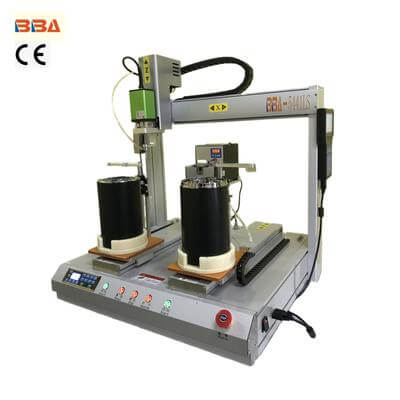
Nome prodotto Settori industriali applicabili Robot avvitatore servo Assemblaggio elettronico automobilistico Componenti di una macchina di assemblaggio viti completamente automatica Le macchine di assemblaggio viti completamente automatiche sono essenziali nella produzione moderna, offrendo precisione, velocità e affidabilità. Queste macchine semplificano il processo di assemblaggio avvitando automaticamente le viti nei prodotti senza intervento umano. Comprendere i componenti chiave di questi sistemi può aiutare le aziende a ottimizzare le linee di produzione e migliorare l'efficienza. 1. Alimentatore di viti: L'alimentatore di viti è responsabile del rifornimento delle viti allo strumento di avvitatura. Utilizza vibrazioni o movimenti rotazionali per orientare e trasportare le viti da una fornitura all'ingrosso al meccanismo di avvitatura. Ciò garantisce un flusso continuo e costante di viti, minimizzando i tempi di fermo. 2. Strumento di avvitatura: Questo componente è il cuore della macchina. Consiste in un avvitatore motorizzato che preleva le viti dall'alimentatore e le fissa nel prodotto. Lo strumento è regolabile per coppia e profondità, garantendo che ogni vite sia avvitata con precisione. 3. Unità di controllo: Il controllore agisce come il cervello del sistema. Gestisce il funzionamento dell'alimentatore e dello strumento di avvitatura, monitora le prestazioni e consente agli utenti di impostare parametri come il conteggio delle viti, la coppia e la velocità. I controllori avanzati possono includere interfacce touchscreen per una facile operazione. 4. Sistema di visione: Molte macchine moderne incorporano sistemi di visione per verificare il posizionamento delle viti. Telecamere e sensori rilevano viti disallineate o mancanti, garantendo il controllo qualità e riducendo gli errori nel processo di assemblaggio. 5. Sistema di trasporto: Per la produzione in linea, un sistema di trasporto movimenta i prodotti attraverso la stazione di assemblaggio. Si sincronizza con lo strumento di avvitatura per garantire un posizionamento accurato e una gestione efficiente. 6. Caratteristiche di sicurezza: Le macchine completamente automatiche includono meccanismi di sicurezza come pulsanti di arresto di emergenza, protezioni e sensori per prevenire incidenti e proteggere gli operatori. Integrando questi componenti, le macchine di assemblaggio viti completamente automatiche migliorano la produttività, riducono i costi del lavoro e garantiscono una qualità costante. Sono ampiamente utilizzate in settori come l'elettronica, l'automotive e la produzione di beni di consumo. Investire in un sistema di assemblaggio viti automatico ben progettato può aumentare significativamente le capacità produttive e aiutare a rimanere competitivi nel panorama industriale in rapida evoluzione.