8618566785362 8618566785362 8618566785362 phoenix08@bbamachine.com
- All
- Product Name
- Product Keyword
- Product Model
- Product Summary
- Product Description
- Multi Field Search

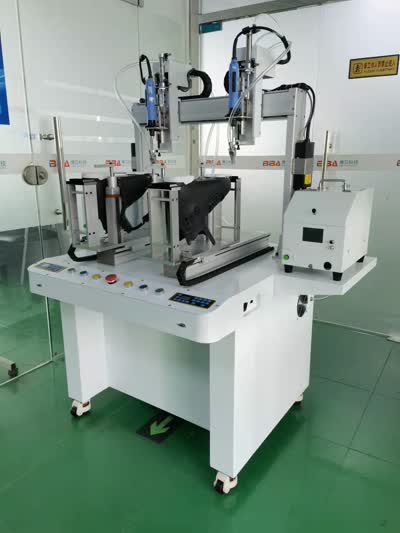
.body-style { font-family: Arial, sans-serif; line-height: 1.6; color: #333; margin: 20px; } .h2-style { color: #0056b3; font-size: 24px; margin-top: 20px; margin-bottom: 10px; } .p-style { margin-bottom: 15px; } .strong-style { color: #0056b3; font-weight: bold; } Key Phrases to Target for Screw Assembly Marketing In the competitive landscape of industrial automation, effectively communicating the value of your screw assembly solutions is paramount. The right marketing language not only captures attention but also resonates deeply with the specific needs and pain points of your target audience. To craft compelling messages that drive engagement and conversion, it is essential to focus on key phrases that highlight efficiency, precision, reliability, and innovation. Enhancing Production Efficiency and Throughput One of the primary concerns for manufacturing professionals is maximizing output without compromising quality. Phrases such as "high-speed automated screw driving" and "maximize production line throughput" directly address this need. These terms emphasize the ability of your systems to accelerate assembly processes, reduce cycle times, and handle high-volume demands seamlessly. By highlighting these capabilities, you appeal to operations managers seeking to optimize their manufacturing floors and achieve significant productivity gains. Ensuring Uncompromising Quality and Reliability Quality control is a non-negotiable aspect of screw assembly. Marketing messages should incorporate phrases like "error-proof fastening solutions" and "zero-defect assembly processes". These phrases assure potential clients of the precision and consistency of your equipment. They speak to engineers and quality assurance managers who prioritize reducing rework, minimizing product failures, and maintaining stringent quality standards. Emphasizing reliability builds trust and positions your products as critical components for mission-critical applications. Adapting to Flexible Manufacturing Needs Modern manufacturing requires agility. Terms such as "quick-changeover capabilities" and "flexible automation for mixed production" are highly effective. They demonstrate that your screw assembly systems can adapt rapidly to different product designs, batch sizes, and assembly requirements. This flexibility is crucial for industries like automotive and electronics, where production lines must frequently switch between variants. Targeting this phrase appeals to planners and engineers looking for scalable and versatile automation solutions. Integration and Ease of Use The ease of integrating new equipment into existing lines is a major purchasing factor. Highlighting "seamless integration with existing machinery" and "user-friendly programming interface" addresses common concerns about implementation complexity and training time. These phrases are particularly attractive to plant managers and maintenance teams who seek to minimize downtime and ensure a smooth transition to automated processes. Stressing intuitive operation reduces perceived barriers to adoption. Driving Cost Reduction and ROI Ultimately, investment in automation is driven by financial return. Powerful marketing phrases include "significant reduction in direct labor costs" and "rapid return on investment (ROI)". These speak directly to the bottom-line concerns of financial decision-makers and executives. By quantifying the potential savings and outlining the clear economic benefits, your marketing materials can effectively justify the investment and demonstrate the long-term value of your screw assembly systems. By strategically incorporating these targeted key phrases into your website content, brochures, and sales presentations, you can more effectively connect with your audience's core objectives. This focused approach ensures your marketing message is both seen and understood, driving growth and establishing your brand as a leader in industrial automation solutions. Product Name Applicable industries Desktop Screwdriver Robot Industrial Control Panel Assembly

Product Name Applicable industries Auto Screwdriver Machine Electric Bicycle Assembly body { font-family: Arial, sans-serif; line-height: 1.6; margin: 20px; } h1 { color: #2c3e50; font-size: 28px; margin-bottom: 10px; } p { margin-bottom: 15px; color: #333; } strong { color: #16a085; } Achieving Consistent Torque with Automation In the world of industrial manufacturing, precision is not just a goal—it is a necessity. Among the many parameters that define quality and reliability, torque consistency stands out as a critical factor. Whether assembling delicate electronics or heavy machinery, the application of accurate and repeatable torque ensures product integrity, safety, and performance. Manual torque application, however, is prone to human error, fatigue, and variability. This is where automation steps in, transforming torque control into a seamless, precise, and highly efficient process. Automated torque systems leverage advanced technologies to deliver unmatched consistency. These systems integrate sensors, controllers, and actuators to monitor and adjust torque in real-time, ensuring every fastener meets exact specifications. The benefits are multifaceted: reduced defect rates, enhanced worker safety, and improved production throughput. For industries such as automotive, aerospace, and consumer electronics, where torque tolerances are exceptionally tight, automation is no longer a luxury but a fundamental requirement. One of the key components in achieving consistent torque is the use of servo-driven tools. These tools provide closed-loop feedback, continuously measuring the applied torque and making instantaneous corrections. This level of control eliminates under-torquing, which can lead to loose connections and potential failures, and over-torquing, which may cause damage to components or threads. The data collected during the process can also be logged for quality assurance and traceability, supporting compliance with industry standards and regulations. Moreover, automated torque systems are designed to integrate seamlessly into existing production lines. They can be programmed for multiple tasks, adapting to different products and torque requirements without manual reconfiguration. This flexibility allows manufacturers to respond quickly to changing demands while maintaining high levels of accuracy. Robotics play a significant role here, with automated arms equipped with torque sensors capable of performing complex assemblies with precision that far exceeds human capability. Another advantage is the reduction in physical strain on workers. Repetitive manual torque application can lead to musculoskeletal disorders and fatigue, increasing the risk of errors and injuries. By automating these tasks, companies not only improve product quality but also promote a safer and more ergonomic work environment. Employees can be upskilled to oversee and manage automated systems, focusing on more value-added activities rather than repetitive manual labor. Looking ahead, the future of torque automation is set to become even more intelligent. With the integration of Internet of Things (IoT) technologies, torque systems can be connected to centralized monitoring platforms. This enables predictive maintenance, where data analytics identify potential issues before they cause downtime, and continuous optimization of torque processes based on real-time performance metrics. The result is a smarter, more responsive manufacturing ecosystem. In conclusion, achieving consistent torque with automation is a transformative approach that elevates manufacturing standards. It ensures that every product is built with precision, reliability, and efficiency. As industries continue to evolve towards greater automation, embracing advanced torque control solutions will be key to maintaining competitiveness and meeting the ever-increasing demands for quality and safety.
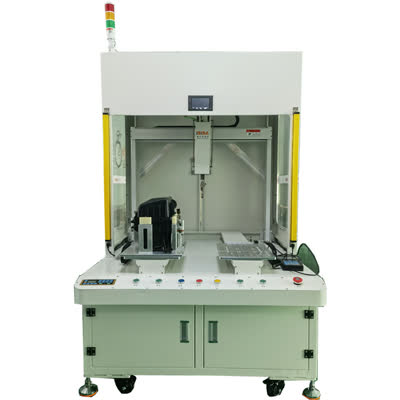
Product Name Applicable industries Automatic Screw Feeder Smart Wearables Production body { font-family: Arial, sans-serif; line-height: 1.6; color: #333; } h1 { color: #0056b3; font-size: 28px; margin-bottom: 20px; } h2 { color: #004a99; font-size: 22px; margin-top: 25px; margin-bottom: 15px; } p { margin-bottom: 15px; } ul { margin-bottom: 15px; padding-left: 20px; } li { margin-bottom: 8px; } strong { color: #004a99; } Questions to Ask Before Buying a Screw Locking Machine Investing in industrial automation equipment is a significant decision that can greatly impact your production efficiency, product quality, and bottom line. A screw locking machine, also known as a screwdriving system, is a crucial piece of equipment for countless assembly lines. Choosing the right one requires careful consideration. To ensure you make a well-informed purchase that aligns with your specific needs, here are the essential questions you should ask. What Are My Application Requirements? Before you even look at different models, you must have a deep understanding of your own application. Start by asking: Screw Specifications: What is the size, type, pitch, and material of the screws you will be using? The machine must be compatible with your fasteners. Torque and Angle Requirements: What are the precise torque and angle specifications for a perfect lock? This is critical for product quality and consistency. Part Design: What is the geometry of the part being assembled? Are there accessibility issues or unique angles the machine must accommodate? Production Volume and Speed: What is your required output in units per hour or per shift? This will determine whether you need a simple benchtop unit or a high-speed automated system. What Level of Automation Do I Need? Screw locking machines range from semi-automatic to fully automated cells. You need to decide the right level for your process. Manual Presentation: Will an operator present the part and trigger the machine? Automatic Feeding: Do you need an integrated system that automatically feeds screws to the driver, significantly increasing speed and reducing operator fatigue? Robotic Integration: Should the screwdriver be mounted on a robot for complex, multi-point assembly tasks? Matching the automation level to your volume and labor availability is key to maximizing your return on investment. How Will the Machine Integrate Into My Existing Line? The new equipment must work seamlessly with your current setup. Important integration questions include: Physical Footprint: How much floor or bench space is available for the machine? Connectivity and Data: Does the machine offer PLC connectivity (e.g., via Ethernet/IP, Profinet, Modbus) for seamless integration into your factory's control system? Can it provide data output for traceability and process monitoring? Power Requirements: What are the electrical and air pressure requirements? Ensure your facility can meet them. What About Ease of Use and Changeover? In modern manufacturing, flexibility is vital. If you produce multiple products, you must ask: How quickly can the machine be reprogrammed for a different screw or torque setting? Look for intuitive user interfaces with recipe storage. How difficult is it to change the feeder bowl or driver bit? Quick-change features can drastically reduce downtime during product changeovers. What Kind of Support and Service Can I Expect? The relationship with your supplier doesn't end at the sale. Probe into their after-sales support: Installation and Training: Do they offer on-site installation and comprehensive training for your operators and maintenance staff? Technical Support: What is the availability of their technical support team? Is there local expertise? Spare Parts and Warranty: What is the lead time for critical spare parts? What does the warranty cover and for how long? Asking these detailed questions will provide clarity and guide you toward the ideal screw locking solution. A thorough evaluation process ensures the machine you select not only performs the task but also enhances your overall manufacturing strategy, providing reliability, quality, and efficiency for years to come.
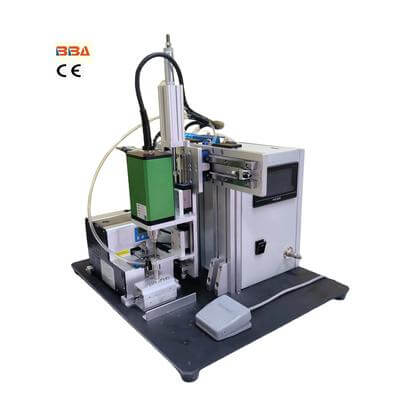
Product Name Applicable industries Inline Screw Locking System Automotive Electronics Assembly body { font-family: Arial, sans-serif; line-height: 1.6; margin: 20px; } h1 { color: #2c3e50; font-size: 28px; margin-bottom: 20px; } h2 { color: #34495e; font-size: 22px; margin-top: 25px; margin-bottom: 15px; } p { margin-bottom: 15px; color: #333; } ul { margin-bottom: 15px; padding-left: 20px; } li { margin-bottom: 8px; } strong { color: #16a085; } Desktop Robots for Precision Screw Tightening In the realm of industrial automation, precision and reliability are paramount. One of the critical processes in manufacturing and assembly is screw tightening, a task that, while seemingly simple, requires consistent accuracy to ensure product quality and safety. Manual screw tightening is prone to human error, leading to inconsistencies, stripped threads, and potential product failures. This is where desktop robots designed for precision screw tightening come into play, revolutionizing assembly lines with their unmatched accuracy and efficiency. The Need for Automation in Screw Tightening Traditional manual screw tightening processes often face challenges such as operator fatigue, variability in torque application, and difficulty in maintaining high throughput over extended periods. These issues can result in compromised product integrity and increased rework rates. Automated screw tightening solutions address these pain points by delivering consistent, high-quality results every time, reducing the risk of errors and enhancing overall production efficiency. Key Features of Desktop Screw Tightening Robots Modern desktop robots for screw tightening are equipped with advanced features that make them indispensable in precision-driven industries. These compact yet powerful systems are designed to integrate seamlessly into existing production setups, offering flexibility and scalability. High Precision Torque Control: These robots utilize sophisticated torque sensors and control algorithms to apply exact torque levels, ensuring each screw is tightened to specification without over-tightening or under-tightening. Adaptive Flexibility: With programmable settings and easy-to-configure software, these robots can handle a variety of screw sizes, types, and materials, making them suitable for diverse applications from electronics to automotive components. User-Friendly Interface: Intuitive software allows operators to set parameters, monitor performance, and troubleshoot issues with minimal training, reducing downtime and enhancing productivity. Compact Design: Their small footprint makes them ideal for benchtop applications where space is limited, without compromising on power or capability. Data Logging and Traceability: Integrated sensors record torque and angle data for each tightening operation, providing valuable insights for quality control and process optimization. Benefits of Implementing Desktop Robots Integrating desktop robots for screw tightening into manufacturing processes offers numerous advantages. Firstly, they significantly improve product consistency by eliminating human error, leading to higher quality outputs and reduced defect rates. Secondly, these robots enhance operational efficiency by working at high speeds without fatigue, increasing throughput and reducing cycle times. Additionally, they contribute to a safer work environment by minimizing repetitive strain injuries associated with manual tightening tasks. Lastly, the data collected by these systems enables continuous process improvement, helping manufacturers meet stringent quality standards and comply with industry regulations. Applications Across Industries Desktop screw tightening robots are versatile tools used in various sectors. In electronics manufacturing, they ensure delicate components are assembled with precise torque to prevent damage. In the automotive industry, they are employed for critical assemblies where reliability is non-negotiable. Medical device manufacturers rely on them to meet strict hygiene and precision requirements. Their adaptability makes them valuable in any setting where accuracy and repeatability are essential. Future Trends and Innovations The future of desktop robots for screw tightening looks promising, with ongoing advancements in artificial intelligence and machine learning. These technologies will enable even smarter systems capable of self-calibration, predictive maintenance, and adaptive learning to optimize performance over time. As industries continue to embrace Industry 4.0, these robots will play a crucial role in creating interconnected, intelligent factories that prioritize efficiency, quality, and sustainability. In conclusion, desktop robots for precision screw tightening represent a significant leap forward in industrial automation. By combining accuracy, flexibility, and ease of use, they empower manufacturers to achieve new levels of productivity and quality. As technology evolves, these systems will continue to set the standard for excellence in assembly processes worldwide.
Product Name Applicable industries Desktop Screwdriver Robot Drone and UAV Manufacturing body {font-family: Arial, sans-serif; line-height: 1.6; margin: 20px; color: #333;} h2 {color: #1a5c9e; font-size: 22px; margin-bottom: 15px;} h3 {color: #2c6bae; font-size: 18px; margin-top: 20px; margin-bottom: 10px;} p {margin-bottom: 15px; text-align: justify;} ul {margin-bottom: 15px; margin-left: 20px;} li {margin-bottom: 8px;} strong {color: #555;} Troubleshooting Common Technical Issues in Screw Locking Machines Screw locking machines are fundamental to assembly lines across numerous industries, ensuring product integrity and reliability through precise and consistent fastening. However, like any sophisticated piece of industrial automation equipment, they can occasionally encounter operational issues that disrupt production flow. Understanding how to diagnose and resolve these common problems is key to minimizing downtime and maintaining high efficiency. This article outlines several typical technical challenges and provides practical troubleshooting steps. 1. Inconsistent Torque Output One of the most frequent issues operators face is inconsistent or inaccurate torque delivery. This can result in under-tightened screws, which compromise product safety, or over-tightened screws, which can damage threads or the fastener itself. Potential Causes and Solutions: Tool Calibration: The most common cause is a tool that has fallen out of calibration due to regular wear and tear. Regularly scheduled calibration according to the manufacturer's guidelines is essential to maintain accuracy. Air Supply (for pneumatic models): Fluctuations in air pressure can lead to inconsistent torque. Ensure the air compressor is providing a stable, clean, and dry supply of air at the recommended pressure level. Check for leaks in the airline. Mechanical Wear: Worn-out components like clutches in pulse tools or DC motors in electric screwdrivers can cause performance drift. A preventative maintenance schedule should include inspection and replacement of these wear-prone parts. 2. Screw Slippage or Cross-Threading This occurs when the driver bit fails to engage the screw head properly, causing damage to the screw head (cam-out) or misalignment that leads to cross-threading. Potential Causes and Solutions: Worn or Incorrect Driver Bit: Bits wear down over time and lose their grip. Inspect bits regularly and replace them at the first sign of wear. Always use bits that match the screw type and size perfectly. Feed System Misalignment: If the screw presenting system (e.g., hopper, bowl feeder, nose piece) is not perfectly aligned with the driver, the screw will not be presented straight. Verify and adjust the alignment of the feeding mechanism to ensure the screw is vertical and centered. Operator or Robot Path Error: For handheld or robotic applications, the approach angle is critical. The tool must approach the workpiece perpendicularly to avoid cross-threading. Re-programming the robot path or retraining operators on the correct approach can resolve this. 3. Machine Stoppages or Jamming Unexpected stoppages halt production and are often caused by issues in the screw feeding system. Potential Causes and Solutions: Screw Contamination: Dirty, rusty, or non-standard screws can jam the feeder bowl or the nose piece. Always use clean, high-quality fasteners that meet specification. Implement a cleaning schedule for the hopper and bowl feeder. Feed System Blockage: Debris or a damaged screw can obstruct the feed track or hose. Regularly clear the feed path and inspect for any obstructions or wear. Sensor Fault: Faulty photoelectric or proximity sensors may fail to detect the presence of a screw, causing the machine to stop unnecessarily. Check sensor alignment, cleanliness, and functionality. 4. Error Codes and Electronic Faults Modern electric screwdrivers often display error codes on their controllers or HMIs, which can point to specific internal problems. Potential Causes and Solutions: Overload or Overheating: Continuous operation at high torque can cause the motor to overheat and trigger a fault. Allow the tool to cool down and ensure it is used within its rated duty cycle. Check for mechanical binding that might be causing excessive load. Controller Communication Loss: Loose wiring or connector issues can cause communication errors between the tool, controller, and PLC. Power down the system and check all electrical connections for security. Software Glitch: Occasionally, a power surge or bug can cause the controller software to lock up. A simple power cycle (turning the machine off and on again) often clears temporary glitches. Implementing a robust preventative maintenance program is the most effective strategy to prevent these issues from occurring in the first place. Regular inspection, cleaning, calibration, and replacement of consumable parts like driver bits will significantly enhance the reliability and lifespan of your screw locking equipment, ensuring smooth and uninterrupted production.
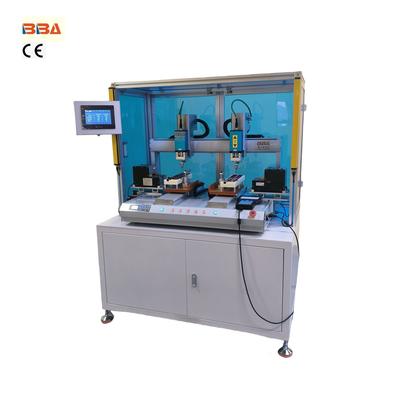
Nom du produit Industries applicables Machine intelligente à visser Assemblage d'électronique automobile Meilleures pratiques pour configurer une ligne de vissage automatique body { font-family: Arial, sans-serif; line-height: 1.6; margin: 20px; } h1 { color: #2c3e50; font-size: 28px; margin-bottom: 20px; } h2 { color: #34495e; font-size: 22px; margin-top: 25px; margin-bottom: 15px; } p { margin-bottom: 15px; text-align: justify; } ul { margin-bottom: 15px; padding-left: 20px; } li { margin-bottom: 8px; } strong { color: #16a085; } Meilleures pratiques pour configurer une ligne de vissage automatique Dans le domaine de l'automatisation industrielle, la mise en œuvre d'une ligne de serrage automatique représente une étape significative vers l'amélioration de l'efficacité de production, la garantie d'une qualité de produit constante et la réduction des coûts opérationnels. Une ligne de vissage automatique correctement configurée minimise les erreurs humaines, réduit la charge ergonomique des travailleurs et accélère les cycles d'assemblage. Cependant, atteindre ces avantages nécessite une planification et une exécution méticuleuses. Cet article décrit les meilleures pratiques fondamentales pour configurer un système de vissage automatisé robuste et fiable. 1. Analyse et planification complète du processus Avant de sélectionner tout équipement, une analyse approfondie du processus d'assemblage existant est primordiale. Identifiez les tâches de serrage spécifiques, y compris les types de vis utilisées (longueur, diamètre, style de tête), les valeurs de couple requises et l'accessibilité des points de serrage. Prenez en compte le volume de production et les objectifs de temps de cycle. Cartographier l'ensemble du processus aide à déterminer le niveau optimal d'automatisation—que ce soit une cellule à poste unique, un système multi-broches ou une ligne robotisée entièrement intégrée qui est la plus adaptée. Cette étape fondamentale évite des erreurs coûteuses et garantit que la solution d'automatisation s'aligne parfaitement avec les objectifs de production. 2. Sélection du bon équipement Choisir un matériel approprié est critique. Les composants principaux incluent généralement des alimentateurs automatiques de vis, des tournevis électriques ou pneumatiques, et souvent, un bras robotique ou un système cartésien pour le positionnement. Les critères de sélection clés sont : Alimentateur de vis : Optez pour un modèle d'alimentateur qui manipule de manière fiable votre type de vis spécifique sans blocage. Les alimentateurs à bol sont courants, mais les nouveaux systèmes flexibles alimentés par bande peuvent être excellents pour les vis délicates ou petites. Tournevis : Sélectionnez un tournevis capable de fournir un contrôle de couple précis et répétable. Les tournevis électriques sont préférés pour leur précision et leurs capacités d'enregistrement de données, essentielles pour la traçabilité dans les applications critiques pour la qualité. Système de positionnement : Le choix entre une automatisation fixe dédiée et un robot programmable dépend de la variété des pièces. Pour une production à haute mixité, un robot à 6 axes offre une flexibilité inégalée pour accéder à plusieurs points. 3. Assurer la présentation des pièces et la stabilité du montage Le système d'automatisation n'est aussi bon que la pièce sur laquelle il travaille. La pièce doit être présentée à l'unité de vissage dans une position hautement répétable et stable. Investissez dans des gabarits et des montages de précision qui maintiennent fermement le composant, empêchant tout mouvement pendant le processus de serrage. Pour les lignes à convoyeur, assurez un positionnement précis via des butées mécaniques ou des systèmes guidés par vision. Des pièces instables peuvent entraîner des vis mal enfoncées, un filetage croisé ou des dommages au produit et à l'équipement. 4. Intégration et calibration méticuleuses du système L'intégration implique de synchroniser l'alimentateur de vis, le tournevis et le système de positionnement en une unité cohésive. Portez une attention particulière à l'alignement entre la pointe du tournevis et la vis présentée par l'alimentateur. Même un léger désalignement peut causer des échecs de ramassage. Calibrez les réglages de couple pour chaque type de vis selon les spécifications techniques et effectuez des tests approfondis pour établir une vitesse et une profondeur optimales du tournevis. La mise en œuvre de capteurs pour la vérification—tels que des capteurs de présence pour confirmer le ramassage des vis et des moniteurs de couple pour valider la serrage—est une pratique non négociable pour atteindre une production sans défaut. 5. Maintenance robuste et formation des opérateurs Une ligne de vissage automatisée est un investissement à long terme qui nécessite des soins proactifs pour maintenir des performances optimales. Établissez un calendrier de maintenance régulier qui inclut le nettoyage du bol et des rails de l'alimentateur, l'inspection des pointes de tournevis pour l'usure, et la vérification de la calibration du couple. De plus, formez complètement les techniciens de maintenance et les opérateurs de ligne sur la façon d'utiliser le système, d'effectuer un dépannage de base et d'identifier les signes précoces de problèmes potentiels comme les blocages de l'alimentateur ou la diminution de la précision du couple. Un personnel compétent est crucial pour minimiser les temps d'arrêt et assurer une opération continue. Conclusion La mise en œuvre d'une ligne de serrage automatique est une stratégie puissante pour la fabrication moderne. En adhérant à ces meilleures pratiques—d'une planification initiale rigoureuse et une sélection d'équipement à un montage stable, une calibration précise et une maintenance diligente—les entreprises peuvent construire un système qui offre une fiabilité, une qualité et une productivité incomparables. Une ligne de vissage automatique bien conçue non seulement rationalise l'assemblage mais devient aussi une pierre angulaire d'une opération de fabrication plus efficiente et compétitive.
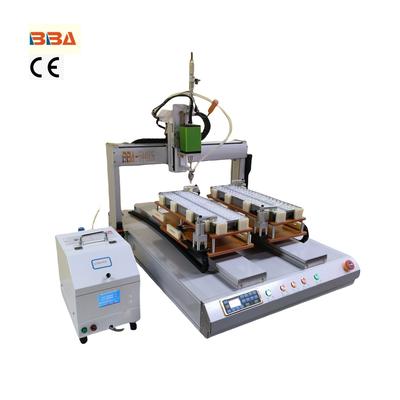
Dans le monde de l'automatisation industrielle, les mécanismes d'alimentation en vis représentent un composant critique mais souvent négligé des systèmes d'assemblage. Ces mécanismes sont responsables de la livraison précise et efficace des fixations, garantissant que les lignes de production fonctionnent sans heurts et avec un temps d'arrêt minimal. Les innovations récentes dans ce domaine ont considérablement amélioré la fiabilité, la vitesse et la flexibilité des systèmes d'alimentation en vis, les rendant plus adaptables aux exigences évolutives de la fabrication moderne. L'une des avancées les plus notables est le développement de systèmes d'alimentation en vis intelligents guidés par vision. Les systèmes traditionnels reposent souvent sur des méthodes mécaniques ou pneumatiques pour orienter et alimenter les vis, ce qui peut entraîner des bourrages ou des erreurs d'alimentation, en particulier avec des fixations plus petites ou non standard. Les systèmes modernes intègrent des caméras haute résolution et des algorithmes d'apprentissage automatique pour identifier visuellement et vérifier l'orientation de chaque vis avant qu'elle ne soit présentée au robot ou à l'outil d'assemblage. Cette inspection visuelle réduit considérablement les taux d'erreur et permet de manipuler une plus grande variété de types et de tailles de vis sans avoir besoin de changements mécaniques coûteux. Le système peut s'adapter instantanément à de nouvelles fixations simplement en mettant à jour ses paramètres logiciels, offrant une flexibilité sans précédent pour les environnements de production à haute mixité. De plus, les progrès en matière de technologie d'entraînement et de vibration ont conduit à des processus d'alimentation plus efficaces et plus doux. Les nouveaux bols vibrants utilisent des motifs de vibration optimisés et des matériaux de surface qui minimisent le contact entre les pièces et réduisent le risque d'endommagement des finitions ou des filetages délicats des vis. Ceci est particulièrement crucial dans des industries comme l'électronique ou la fabrication de dispositifs médicaux, où même une rayure mineure peut entraîner une défaillance du produit. De plus, l'intégration de servomoteurs à entraînement direct remplaçant les entraînements électromagnétiques traditionnels permet un contrôle plus fin du mouvement d'alimentation. Il en résulte un fonctionnement plus silencieux, une consommation d'énergie réduite et la capacité de distribuer avec précision les vis à des vitesses très élevées, correspondant au rythme des lignes d'assemblage rapides d'aujourd'hui. La connectivité et l'analyse des données représentent une autre frontière de l'innovation. Les mécanismes d'alimentation en vis de pointe sont désormais équipés de capteurs IoT qui surveillent en temps réel les métriques de performance clés telles que le taux d'alimentation, la fréquence des bourrages et le couple du moteur. Ces données sont transmises à un système de surveillance central où elles peuvent être analysées pour prédire les besoins de maintenance avant qu'une panne ne se produise. Par exemple, une augmentation graduelle de la résistance du moteur peut signaler le besoin de nettoyage du bol ou d'usure des composants, permettant une intervention proactive pendant les temps d'arrêt planifiés. Ce passage d'une maintenance réactive à une maintenance prédictive prévient non seulement les arrêts de ligne coûteux, mais prolonge également la durée de vie opérationnelle de l'équipement, offrant un retour sur investissement significatif. Enfin, la recherche d'une plus grande flexibilité a donné naissance à des conceptions modulaires et lean pour l'alimentation en vis. Au lieu de grands systèmes d'alimentation centralisés, les fabricants adoptent des unités compactes et décentralisées qui peuvent être placées directement au point d'utilisation sur la ligne d'assemblage. Ces modules sont plus faciles à intégrer et peuvent être rapidement échangés ou reconfigurés pour différents produits. Cette approche modulaire soutient la tendance vers la production lean et la personnalisation de masse, permettant aux usines de pivoter rapidement entre différents produits sans arrêter la production pour un réoutillage extensif. En conclusion, les innovations dans les mécanismes d'alimentation en vis transforment fondamentalement l'automatisation de l'assemblage. Grâce à l'intégration de la vision artificielle, de systèmes d'entraînement avancés, de la connectivité IoT et de la conception modulaire, ces systèmes deviennent plus intelligents, plus efficaces et plus adaptables. Ces améliorations sont essentielles pour les fabricants qui cherchent à booster la productivité, à améliorer la qualité des produits et à maintenir un avantage concurrentiel dans un paysage industriel dynamique. Nom du produit Industries applicables Serre-vis CNC Lignes d'assemblage d'outils électriques
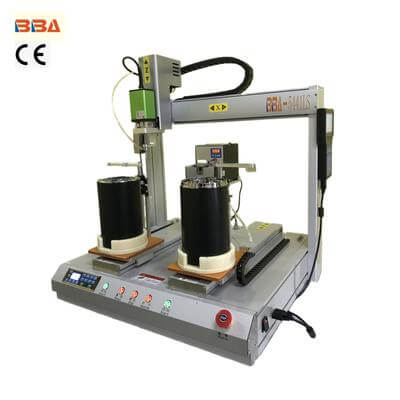
Nom du produit Industries applicables Robot Visseuse Servo Assemblage Électronique Automobile Composants d'une Machine d'Assemblage de Vis Entièrement Automatique Les machines d'assemblage de vis entièrement automatiques sont essentielles dans la fabrication moderne, offrant précision, vitesse et fiabilité. Ces machines rationalisent le processus d'assemblage en vissant automatiquement les vis dans les produits sans intervention humaine. Comprendre les composants clés de ces systèmes peut aider les entreprises à optimiser leurs lignes de production et à améliorer l'efficacité. 1. Alimenteur de Vis : L'alimenteur de vis est responsable de l'approvisionnement en vis vers l'outil de vissage. Il utilise des vibrations ou un mouvement rotatif pour orienter et transporter les vis d'un approvisionnement en vrac vers le mécanisme de vissage. Cela assure un flux continu et régulier de vis, minimisant les temps d'arrêt. 2. Outil de Vissage : Ce composant est le cœur de la machine. Il consiste en un tournevis motorisé qui ramasse les vis de l'alimenteur et les fixe dans le produit. L'outil est réglable pour le couple et la profondeur, garantissant que chaque vis est serrée avec précision. 3. Unité de Contrôle : Le contrôleur agit comme le cerveau du système. Il gère le fonctionnement de l'alimenteur et de l'outil de vissage, surveille les performances et permet aux utilisateurs de définir des paramètres tels que le nombre de vis, le couple et la vitesse. Les contrôleurs avancés peuvent inclure des interfaces tactiles pour une utilisation facile. 4. Système de Vision : De nombreuses machines modernes intègrent des systèmes de vision pour vérifier le placement des vis. Des caméras et des capteurs détectent les vis mal alignées ou manquantes, assurant le contrôle qualité et réduisant les erreurs dans le processus d'assemblage. 5. Système de Convoyeur : Pour la production en ligne, un système de convoyeur transporte les produits à travers la station d'assemblage. Il se synchronise avec l'outil de vissage pour assurer un positionnement précis et une manutention efficace. 6. Fonctionnalités de Sécurité : Les machines entièrement automatiques incluent des mécanismes de sécurité tels que des boutons d'arrêt d'urgence, des gardes de protection et des capteurs pour prévenir les accidents et protéger les opérateurs. En intégrant ces composants, les machines d'assemblage de vis entièrement automatiques améliorent la productivité, réduisent les coûts de main-d'œuvre et assurent une qualité constante. Elles sont largement utilisées dans des industries telles que l'électronique, l'automobile et la fabrication de biens de consommation. Investir dans un système d'assemblage de vis automatique bien conçu peut considérablement booster vos capacités de production et vous aider à rester compétitif dans le paysage industriel en évolution rapide.