8618566785362 8618566785362 8618566785362 phoenix08@bbamachine.com
- All
- Product Name
- Product Keyword
- Product Model
- Product Summary
- Product Description
- Multi Field Search

Views: 0 Author: BBA AUTOMATION Publish Time: 2025-10-01 Origin: BBA AUTOMATION


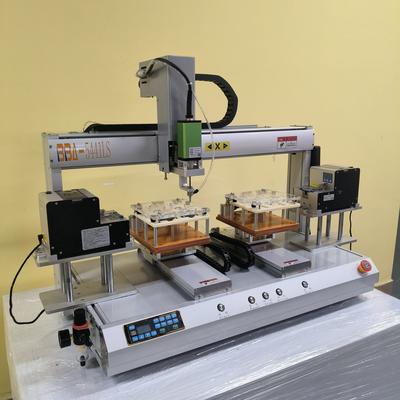
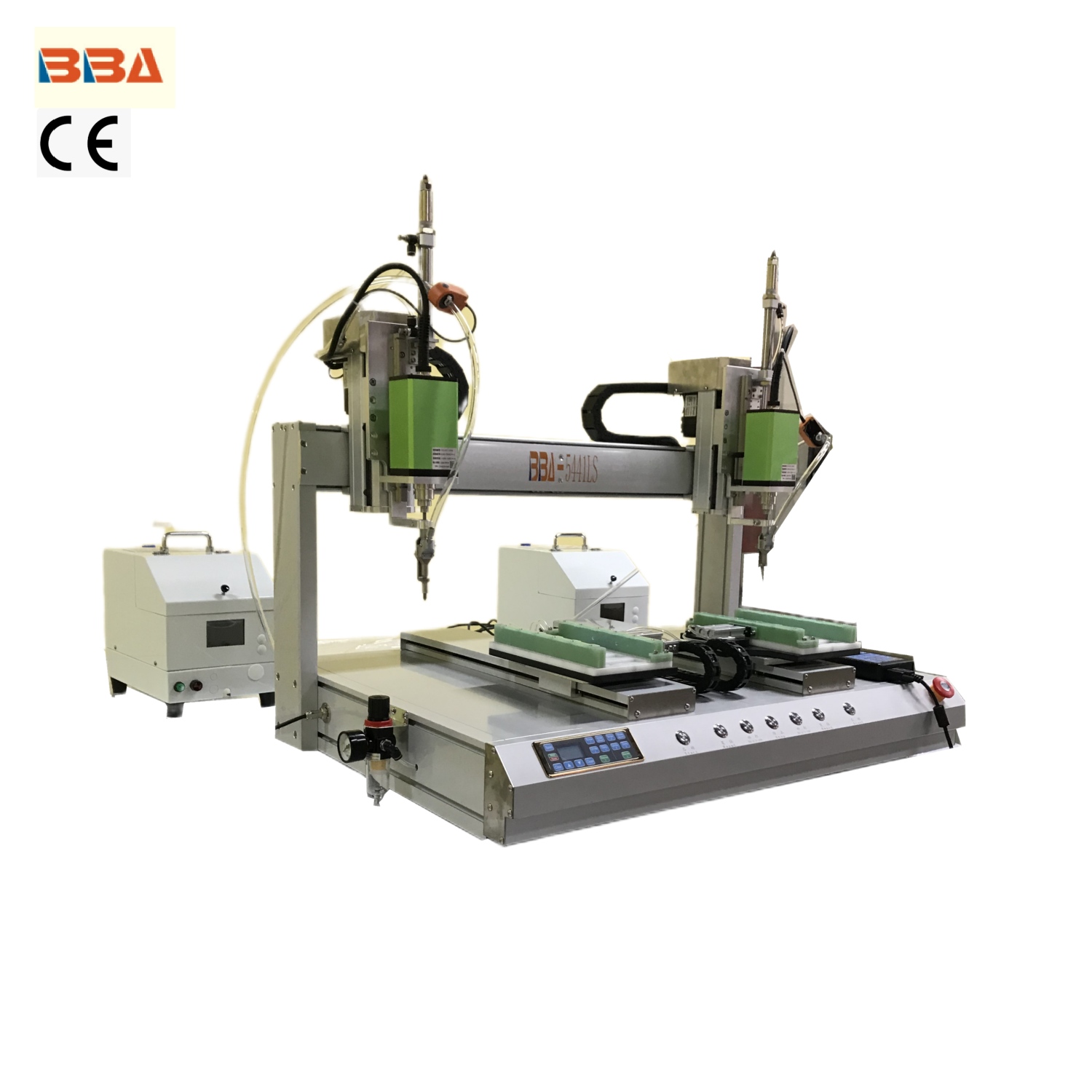
In the rapidly evolving landscape of industrial automation, precision and reliability are paramount. Desktop screwdriver robots have emerged as critical tools in assembly lines, electronics manufacturing, and intricate mechanical work. These compact yet powerful systems are designed to handle repetitive fastening tasks with unmatched accuracy. However, the true advancement in their functionality lies in the integration of smart alarms and advanced sensor technology. This innovation not only enhances operational efficiency but also significantly reduces downtime and prevents costly errors.
Smart alarms are intelligent notification systems that proactively monitor the status of desktop screwdriver robots. Unlike traditional alarms that simply alert users to a problem after it occurs, smart alarms use real-time data analytics to predict potential issues before they escalate. For instance, if a robot detects an abnormal torque pattern during screw driving, it can trigger an alarm indicating possible cross-threading or material defects. This allows operators to intervene immediately, preventing defective products and minimizing waste.
These alarms are often integrated with visual and auditory signals, such as LED indicators or beeping sounds, ensuring that personnel are promptly aware of any anomalies. Moreover, they can be connected to centralized monitoring systems via IoT platforms, enabling remote notifications and historical data analysis for continuous process improvement.
Sensors are the eyes and ears of desktop screwdriver robots, providing critical feedback on various parameters. Modern robots are equipped with a suite of sensors, including torque sensors, position encoders, and pressure sensors, which work in tandem to ensure each screw is driven perfectly.
These sensors continuously feed data to the robot’s control unit, which adjusts operations in real time. For example, if a torque sensor detects resistance beyond predefined limits, the system may automatically recalibrate or halt to avoid stripping the screw.
The integration of smart alarms and sensors transforms desktop screwdriver robots from mere tools into intelligent assistants. In electronics manufacturing, where screws are tiny and components fragile, these systems prevent over-torque that could crack circuit boards. In automotive assembly, they ensure consistent torque across multiple fasteners, enhancing product safety and reliability.
Key advantages include:
Looking ahead, the convergence of artificial intelligence and machine learning with sensor technology will further revolutionize desktop screwdriver robots. Predictive maintenance algorithms will analyze sensor data to forecast component failures, scheduling repairs before breakdowns occur. Additionally, adaptive learning capabilities will enable robots to self-optimize based on historical performance, achieving even higher levels of precision.
In conclusion, smart alarms and sensors are not just add-ons but essential components that elevate desktop screwdriver robots to new heights of intelligence and efficiency. As industries continue to embrace automation, these innovations will play a pivotal role in shaping the future of manufacturing, making processes smarter, safer, and more sustainable.
| Product Name | Applicable industries |
| Desktop Screwdriver Robot | Electric Bicycle Assembly |