8618566785362 8618566785362 8618566785362 phoenix08@bbamachine.com
- All
- Product Name
- Product Keyword
- Product Model
- Product Summary
- Product Description
- Multi Field Search
Views: 0 Author: BBA AUTOMATION Publish Time: 2025-09-13 Origin: BBA AUTOMATION


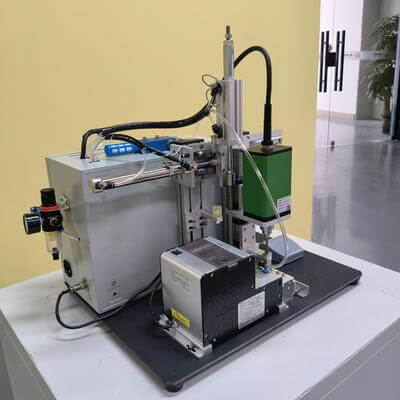
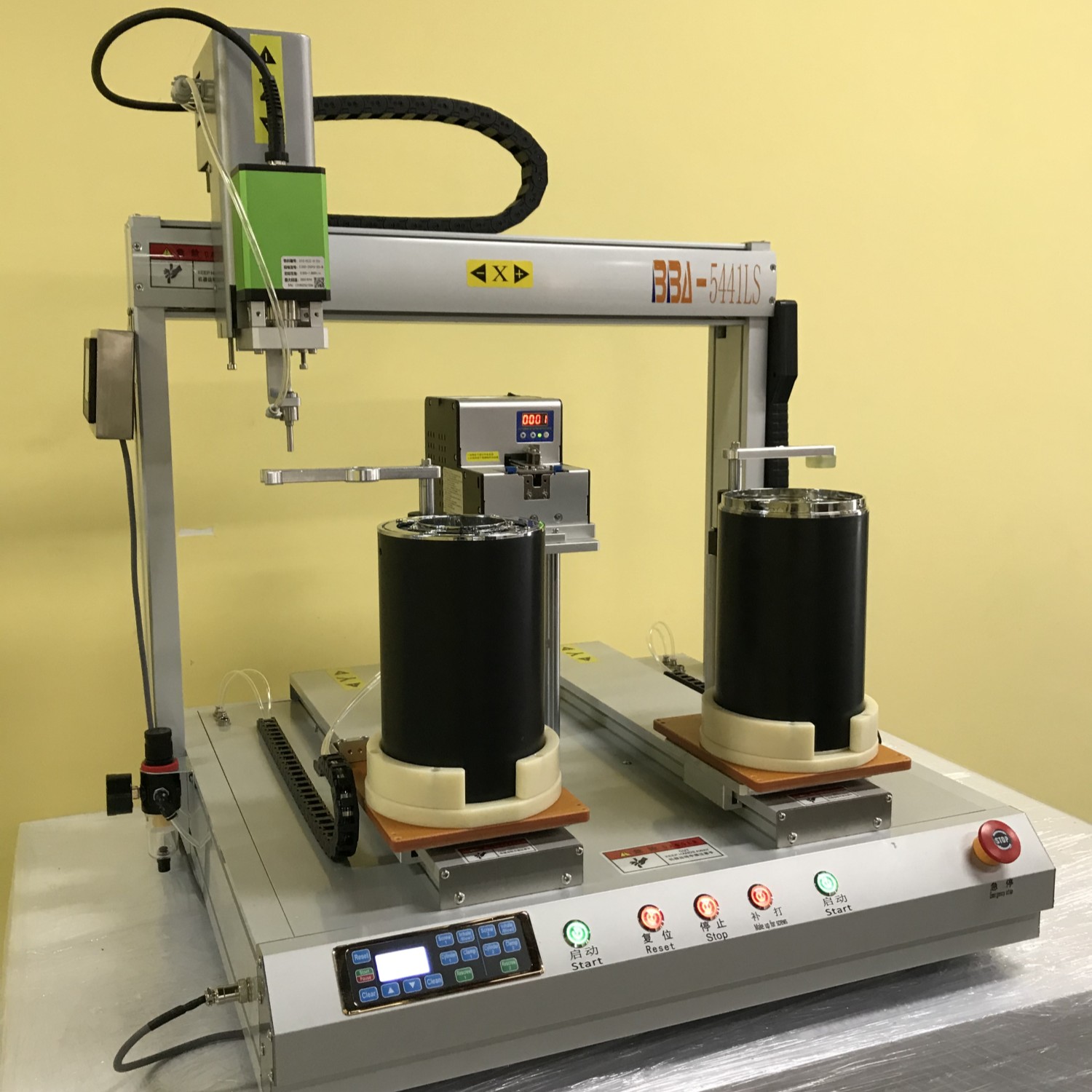
When it comes to screw tightening equipment for industrial automation, manufacturers often face a critical decision: should they opt for off-the-shelf OEM (Original Equipment Manufacturer) solutions or invest in custom-built systems? Both approaches have their merits, and the right choice depends on factors such as production requirements, budget, scalability, and long-term operational goals. Understanding the differences between OEM and custom-built screw tightening equipment can help businesses make an informed decision that aligns with their unique needs.
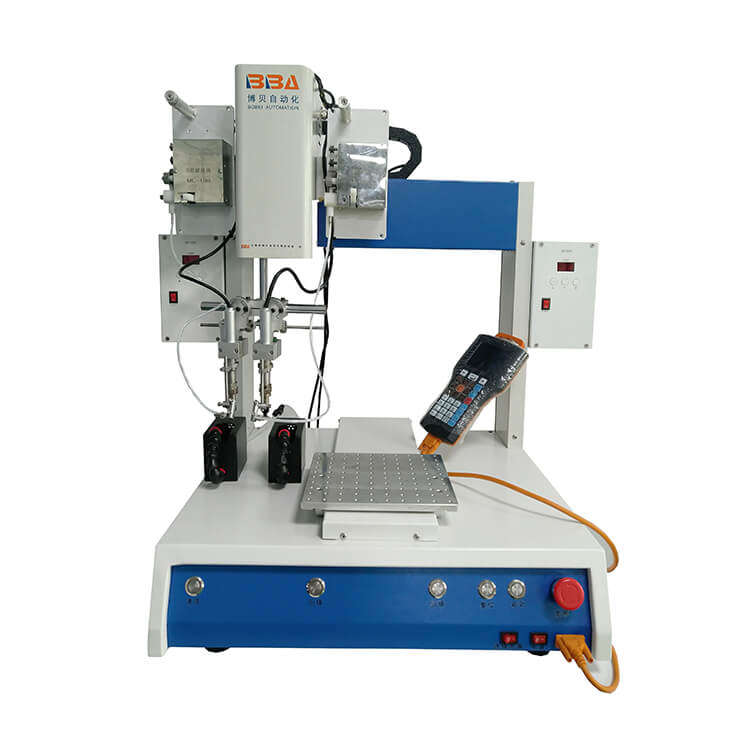
OEM screw tightening equipment refers to standardized, pre-designed systems that are mass-produced and readily available for purchase. These systems are typically designed to handle common applications and are built with versatility in mind. They are often more affordable upfront and can be deployed quickly, reducing lead times. OEM solutions are ideal for companies with standard assembly processes or those operating in industries where screw tightening requirements are consistent and well-defined. However, the downside is that these systems may lack the flexibility to adapt to highly specialized or evolving production needs.
On the other hand, custom-built screw tightening equipment is tailored to specific operational requirements. These systems are designed from the ground up to address unique challenges, such as unusual workpiece geometries, stringent torque accuracy demands, or integration with existing automation infrastructure. Custom solutions offer greater precision, efficiency, and scalability, making them suitable for high-volume production environments or industries with complex assembly processes. While the initial investment and development time may be higher, the long-term benefits—including improved productivity, reduced error rates, and lower total cost of ownership—often justify the expense.
One of the key advantages of custom-built equipment is the ability to incorporate advanced features such as real-time data monitoring, adaptive torque control, and seamless integration with IoT platforms. These capabilities enable predictive maintenance, quality assurance, and continuous process optimization, which are increasingly important in smart manufacturing environments. OEM solutions may offer some of these features as add-ons, but they are generally less optimized for specific use cases.
Ultimately, the decision between OEM and custom-built screw tightening equipment hinges on a careful evaluation of current and future needs. Companies with standardized processes and limited budgets may find OEM solutions to be a practical choice. In contrast, those with complex requirements, a focus on innovation, and a need for seamless integration may benefit more from a custom-built approach. Regardless of the choice, partnering with a reliable provider ensures that the equipment meets quality standards and delivers consistent performance.
As industrial automation continues to evolve, the demand for smarter, more adaptable screw tightening solutions will only grow. By weighing the pros and cons of OEM and custom-built options, businesses can select the right technology to enhance their assembly operations, improve product quality, and maintain a competitive edge in the market.
| Product Name | Applicable industries |
| Smart Screw Driving Machine | Automotive Electronics Assembly |