8618566785362 8618566785362 8618566785362 phoenix08@bbamachine.com
- All
- Product Name
- Product Keyword
- Product Model
- Product Summary
- Product Description
- Multi Field Search

Views: 0 Author: BBA AUTOMATION Publish Time: 2025-09-10 Origin: BBA AUTOMATION


| Product Name | Applicable industries |
| Screw Locking Robot | Security Equipment Manufacturing |
In the fast-paced environment of industrial automation, every component plays a critical role in maintaining seamless operations. Among these, screwdriver bits are fundamental yet often overlooked. These small tools endure significant stress and wear over time, and their failure can lead to costly downtime, product defects, or even safety hazards. Ensuring their safe and timely replacement is not just a maintenance task—it's a crucial aspect of operational excellence and workplace safety.
A worn screwdriver bit is more than just an inefficient tool; it's a liability. Signs of wear include stripped heads, rounded edges, reduced torque transmission, and visible damage. Using a compromised bit can result in several risks:
Proactive replacement is therefore essential for maintaining a safe, efficient, and reliable production line.
Adopting a structured approach to replacing worn bits minimizes risk and maximizes productivity. Here are key steps to integrate into your maintenance protocol:
1. Establish a Regular Inspection Schedule: Implement a preventive maintenance routine to check bits for wear. The frequency of checks should be based on usage intensity and the manufacturer's guidelines. Look for signs of deformation, corrosion, or loss of magnetic strength.
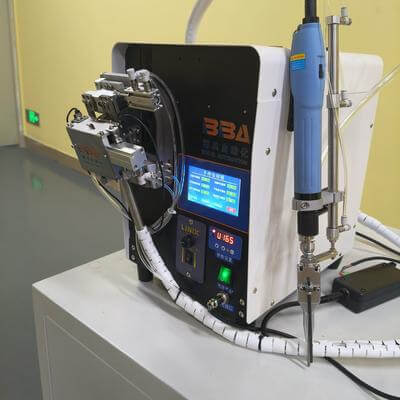
2. Use the Correct Tools: Always power down and lock out the automated screwdriving system before attempting any replacement. This ensures zero energy flow and prevents accidental activation. Use designated tools, such as precision hex keys, that are designed for your specific equipment to avoid damaging the tool holder.
3. Select High-Quality Replacement Bits: Not all bits are created equal. Invest in bits made from high-grade materials, such as S2 alloy steel, with proper hardening and coatings. Quality bits last longer, maintain torque accuracy, and reduce the frequency of changes, enhancing safety and efficiency.
4. Follow Proper Installation Procedures: Ensure the new bit is securely seated in the collet or magnetic holder. A loose bit can lead to inaccuracies and vibrations that accelerate wear. Refer to the machine’s manual for the recommended installation method and torque specifications if applicable.
5. Train Personnel Thoroughly: Operators and maintenance staff should be trained not only on how to change bits but also on how to identify wear patterns and understand the importance of the procedure. Emphasize the safety protocols, including the use of personal protective equipment (PPE) like safety glasses and gloves during replacement.
6. Document and Track Usage: Maintain a log of bit usage and replacement history. Tracking the lifespan of bits helps in predicting failures and optimizing the inventory of spare parts, ensuring they are always available when needed.
In industrial automation, attention to detail separates good operations from great ones. The safe replacement of worn screwdriver bits is a small but vital detail that protects your personnel, your product quality, and your productivity. By implementing a rigorous, safety-focused maintenance routine, you invest in the longevity of your equipment and the well-being of your team. Remember, in a world driven by precision, there is no room for worn-out tools.