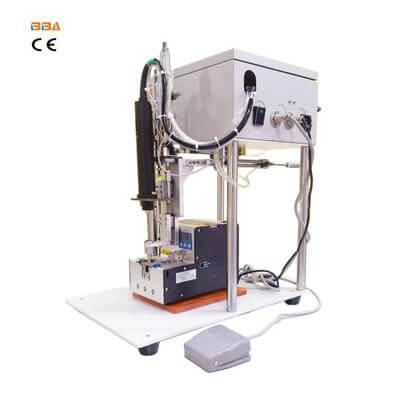
Desktop robots have become essential tools in modern manufacturing, offering precision and efficiency in assembly processes. A key component in these robots is the screw feeding system, which ensures smooth operation. However, issues with screw feeding can disrupt production, leading to downtime and reduced productivity. This article explores common screw feeding problems in desktop robots and provides practical diagnostic steps to address them.
Common Screw Feeding Issues
Screw feeding systems in desktop robots can encounter several performance-affecting problems. Some of the most frequent issues include:
Jamming: Screws may get stuck in the feeder due to misalignment, debris, or incorrect screw size.
Irregular Feeding: Screws may not be delivered consistently, causing assembly process gaps.
Misfeeds: The system may pick up multiple screws or none at all, leading to errors.
Wear and Tear: Components like feeder tracks or nozzles may degrade over time, reducing efficiency.
Diagnosing Screw Feeding Problems
To identify and resolve screw feeding issues, follow these diagnostic steps:
Inspect the Feeder Mechanism: Check for physical obstructions, misaligned tracks, or worn parts that could cause jamming or misfeeds.
Verify Screw Specifications: Ensure the screws match the feeder’s design in size, shape, and material.
Clean the System: Dust, oil, or debris accumulation can cause irregular feeding. Regular cleaning maintains smooth operation.
Test the Sensor: Faulty sensors may fail to detect screws. Verify sensor alignment and functionality.
Monitor Vibration and Air Pressure: Improper settings in vibration or pneumatic mechanisms can disrupt feeding. Adjust as needed.
Preventive Maintenance Tips
To minimize screw feeding issues, adopt these preventive measures:
Schedule regular feeder assembly inspections and maintenance.
Use high-quality screws meeting the robot’s specifications.
Keep the workspace clean to prevent contamination.
Train operators to recognize early signs of feeding problems.
Understanding these common issues and implementing proactive solutions helps manufacturers ensure reliable desktop robot performance in industrial automation. Proper diagnosis and maintenance of screw feeding systems are key to optimizing productivity and minimizing downtime.
Best SEO Titles for Screw Fastening Machines In the competitive landscape of industrial automation, having a strong online presence is crucial for reaching potential customers and driving business growth. For companies specializing in screw fastening machines, optimizing content with effective SEO t
Product Name Applicable industries Auto Screwdriver Machine LED Lighting Industry Battery and Power Module Assembly with Automation The rapid evolution of industrial automation has revolutionized manufacturing processes across numerous sectors. One area experiencing significant transformation is the
Product Name Applicable industries Screw Fastening Unit Consumer Electronics Assembly Industry 4.0 and Smart Tightening Solutions Industry 4.0 and Smart Tightening Solutions The fourth industrial revolution, commonly referred to as Industry 4.0, is transforming manufacturing landscapes worldwide. At
Product Name Applicable industries Desktop Screwdriver Robot Telecommunication Equipment Assembly In the competitive landscape of modern manufacturing, the pursuit of efficiency and precision is relentless. For many companies, the decision to upgrade production lines with advanced servo assembly mac
Product Name Applicable industries Smart Screw Driving Machine Electric Bicycle Assembly Compact Servo Screw Drivers for Limited-Space Applications In the world of industrial automation, efficiency and precision are paramount. However, one of the most common challenges faced by engineers and product
About Us
BBA automation headquartered
in Guangdong, China. It mainly sells automatic screwing machines, screw
conveying presenter, soldering machines and other non-standard
automation equipments.