8618566785362 8618566785362 8618566785362 phoenix08@bbamachine.com
- All
- Product Name
- Product Keyword
- Product Model
- Product Summary
- Product Description
- Multi Field Search

Views: 0 Author: BBA AUTOMATION Publish Time: 2025-08-01 Origin: BBA AUTOMATION


| Product Name | Applicable industries |
| Screw Fastening Unit | Security Equipment Manufacturing |
A Beginner’s Guide to Multi-Axis Screw Fastening Machines
Multi-axis screw fastening machines are revolutionizing industrial automation by offering precision, speed, and flexibility in assembly processes. Whether you're new to automated fastening or looking to optimize production, understanding these machines is essential for modern manufacturing. This guide covers the basics of multi-axis screw fastening technology, its advantages, and key considerations for implementation.
What Are Multi-Axis Screw Fastening Machines?
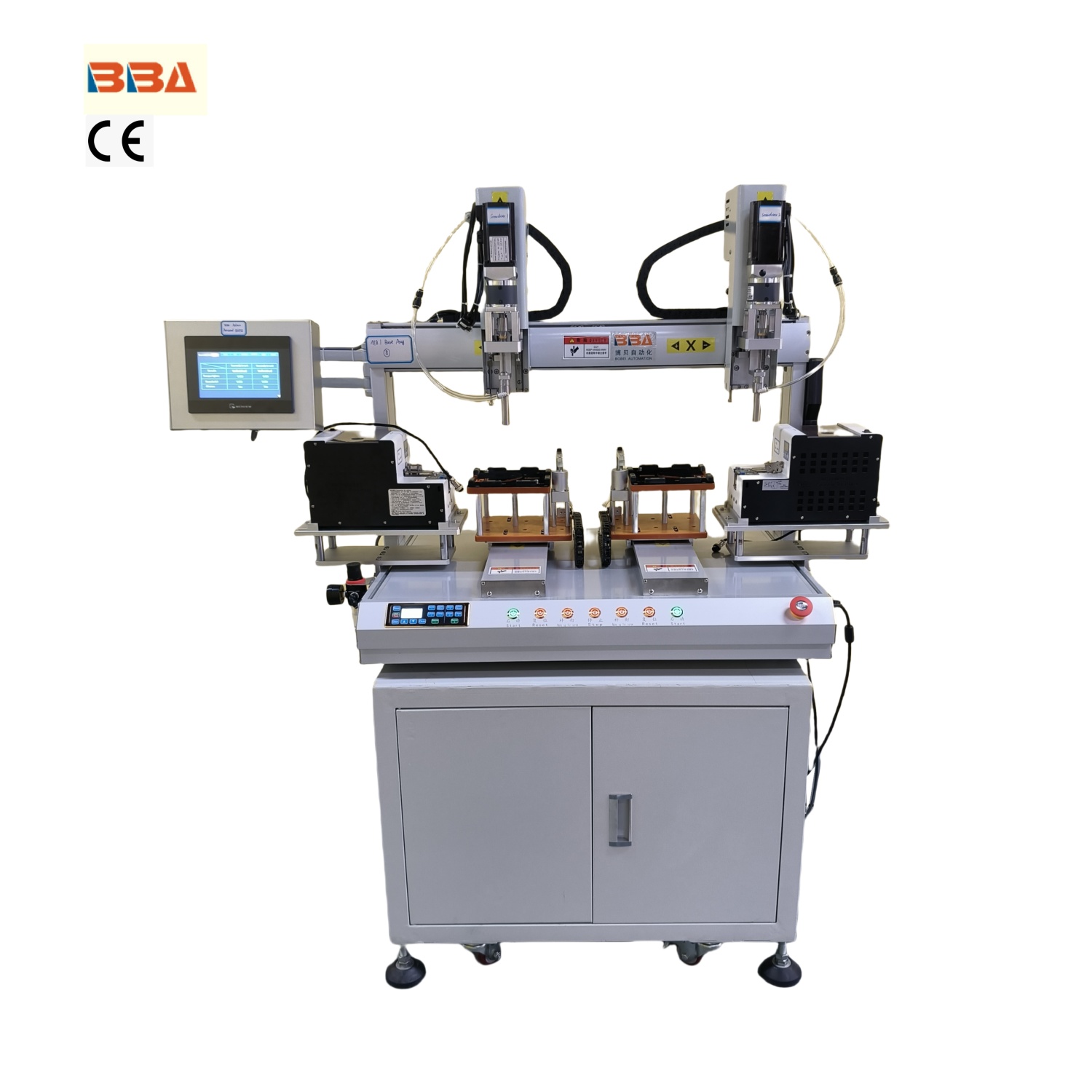
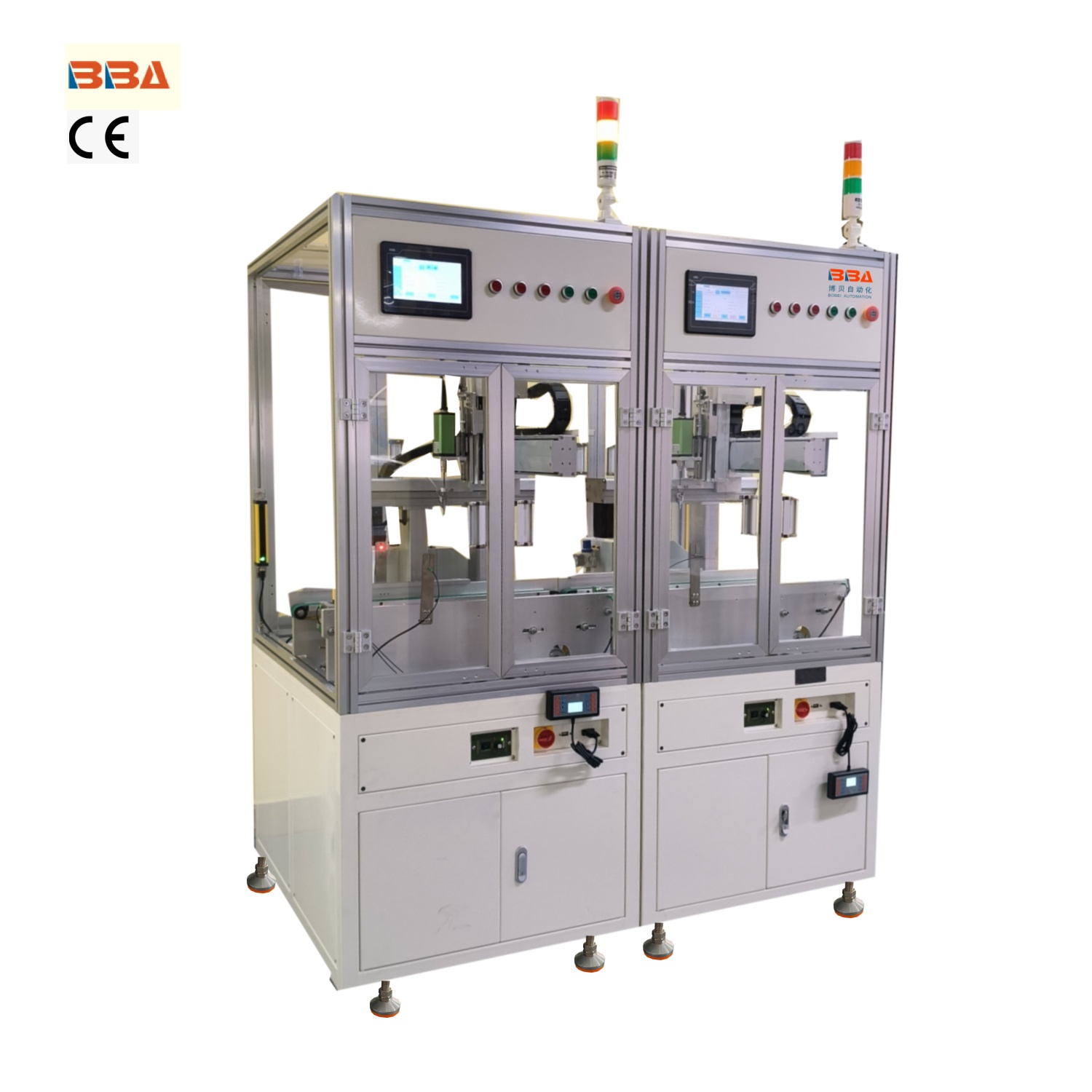
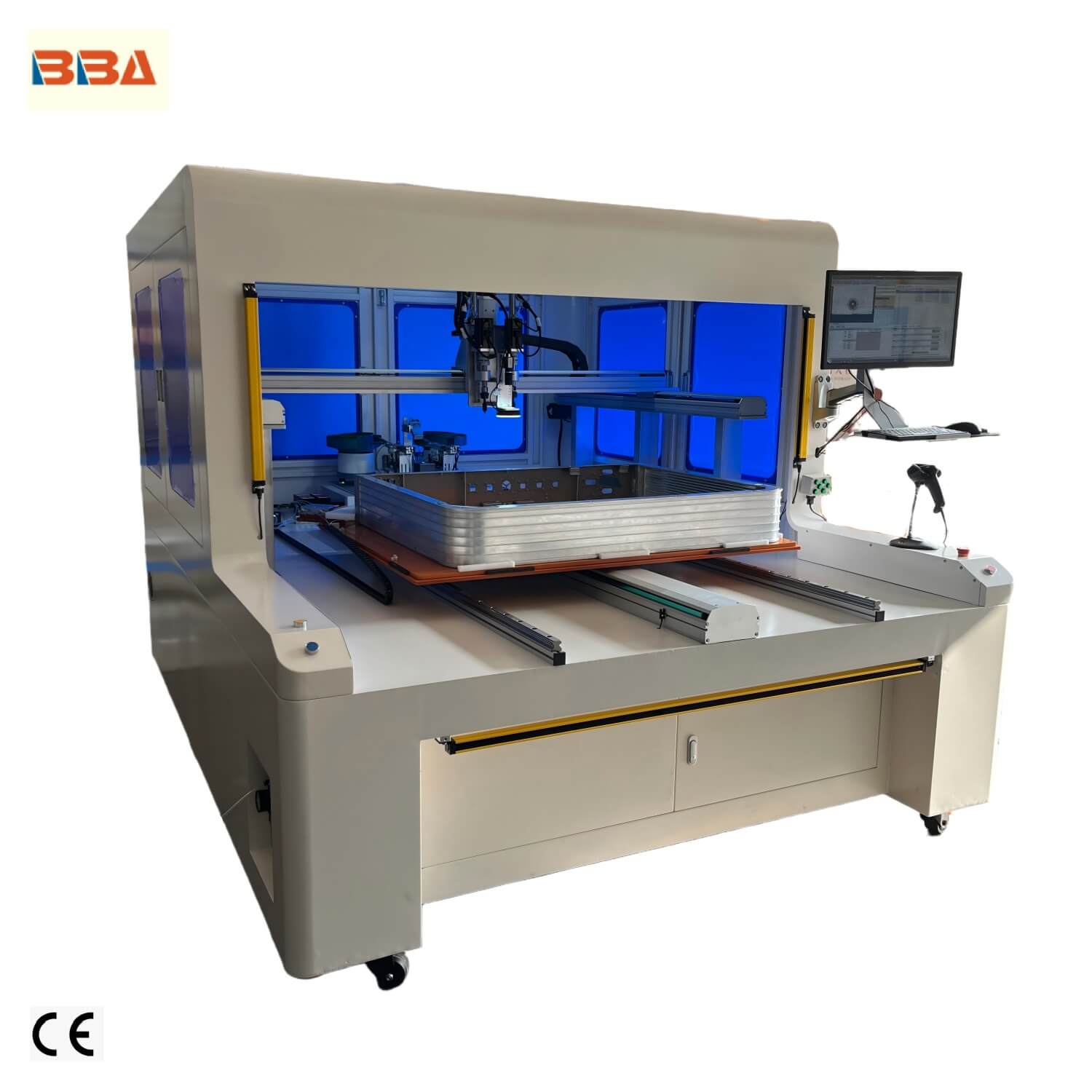
These machines are designed to drive screws into multiple points on a workpiece simultaneously or sequentially, using multiple independent axes. Unlike single-axis machines, they can handle complex assemblies with varying screw positions, angles, and torque requirements. Equipped with robotic arms or spindle arrays, they adapt to diverse production needs while maintaining high accuracy.
Key Advantages
Applications
These machines excel in industries like automotive, electronics, and appliance manufacturing, where high-volume screw fastening is critical. They’re ideal for assembling circuit boards, engine components, or consumer products with intricate screw layouts.
Implementation Tips
By leveraging multi-axis screw fastening machines, manufacturers can achieve faster, error-free assembly lines. As automation advances, adopting these systems becomes a competitive necessity—not just an option.