8618566785362 8618566785362 8618566785362 phoenix08@bbamachine.com
- All
- Product Name
- Product Keyword
- Product Model
- Product Summary
- Product Description
- Multi Field Search
Views: 0 Author: BBA AUTOMATION Publish Time: 2025-07-27 Origin: BBA AUTOMATION


The servo screw technology market is a rapidly evolving sector, driven by advancements in automation and precision engineering. As industries increasingly demand higher accuracy, efficiency, and reliability, selecting the right servo screw system becomes critical for optimal performance. This article compares leading brands in servo screw technologies, highlighting key features, innovations, and applications that set them apart.
One of the primary considerations in servo screw technology is precision. High-end systems now offer micron-level accuracy, ensuring consistent performance in applications requiring tight tolerances. These systems integrate advanced feedback mechanisms, such as optical encoders and resolvers, to maintain precise positioning and minimize backlash. The result is improved repeatability, even in high-speed operations.
Durability is another critical factor. Modern servo screw systems are designed with high-grade materials, including hardened steel and specialized coatings, to withstand harsh industrial environments. Corrosion resistance, reduced wear, and extended service life are standard features in top-tier models. Additionally, innovative lubrication systems ensure smooth operation under heavy loads and continuous use.
Energy efficiency is a growing priority in industrial automation. Leading servo screw technologies incorporate regenerative braking and optimized motor designs to minimize power consumption. By reducing energy waste, these systems lower operational costs and align with sustainability goals. Some models also feature smart diagnostics, enabling predictive maintenance to prevent unexpected downtime.
Integration capabilities are equally important. The best servo screw systems offer seamless compatibility with PLCs, HMIs, and other automation components. Open communication protocols, such as EtherCAT and Profinet, facilitate easy setup and real-time monitoring. This interoperability ensures smooth workflows in complex manufacturing environments.
In conclusion, selecting the right servo screw technology involves evaluating precision, durability, energy efficiency, and integration features. By understanding these key factors, manufacturers can make informed decisions to enhance their automation processes and stay competitive in a dynamic industry.
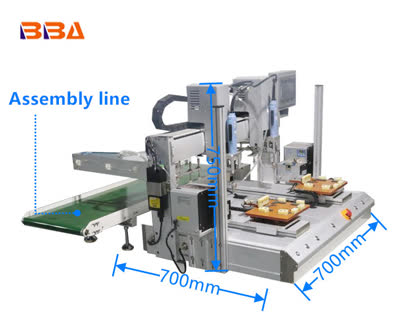
| Product Name | Applicable industries |
| Dual Head Screwdriver | Telecommunication Equipment Assembly |