8618566785362 8618566785362 8618566785362 phoenix08@bbamachine.com
- All
- Product Name
- Product Keyword
- Product Model
- Product Summary
- Product Description
- Multi Field Search

Views: 0 Author: BBA AUTOMATION Publish Time: 2025-07-27 Origin: BBA AUTOMATION


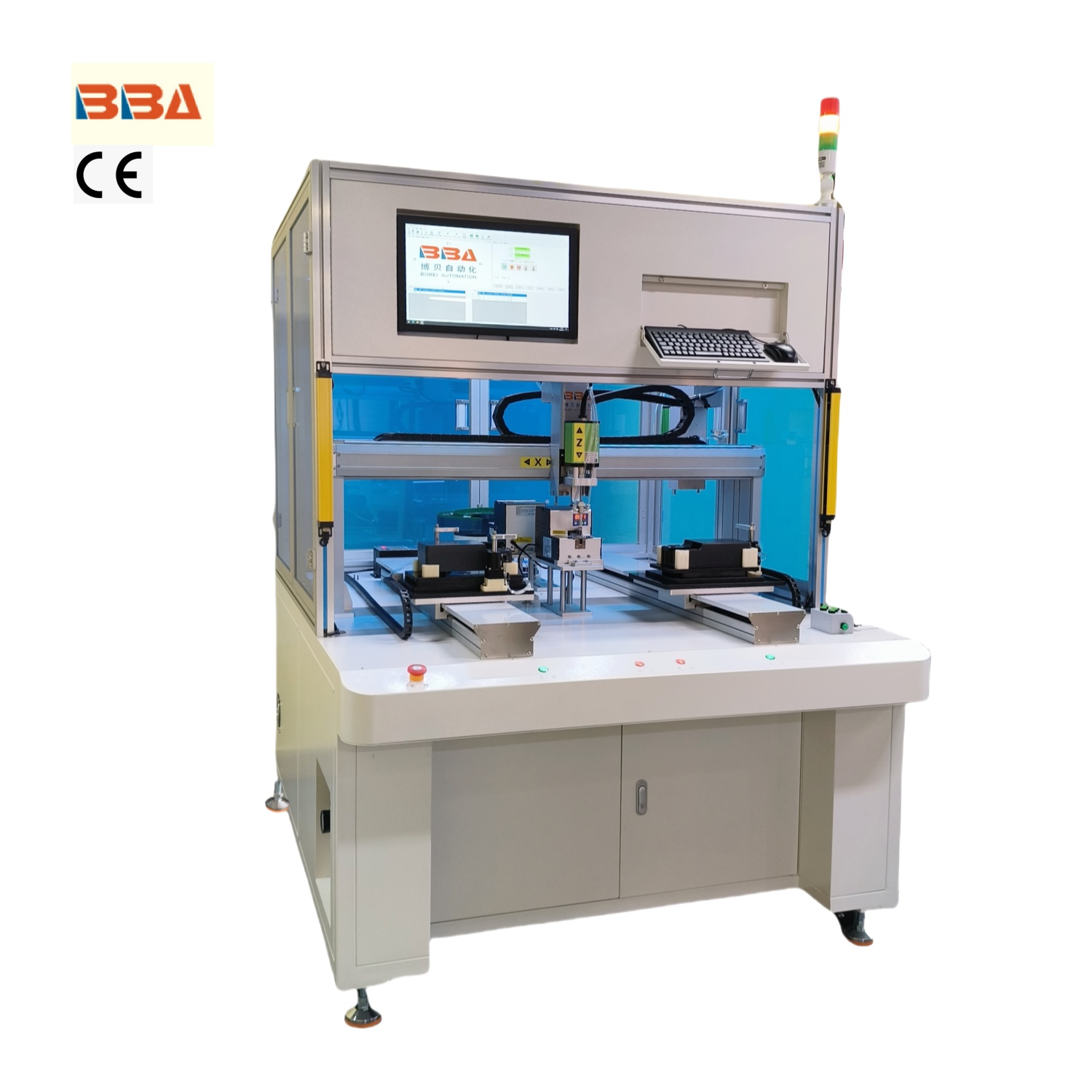
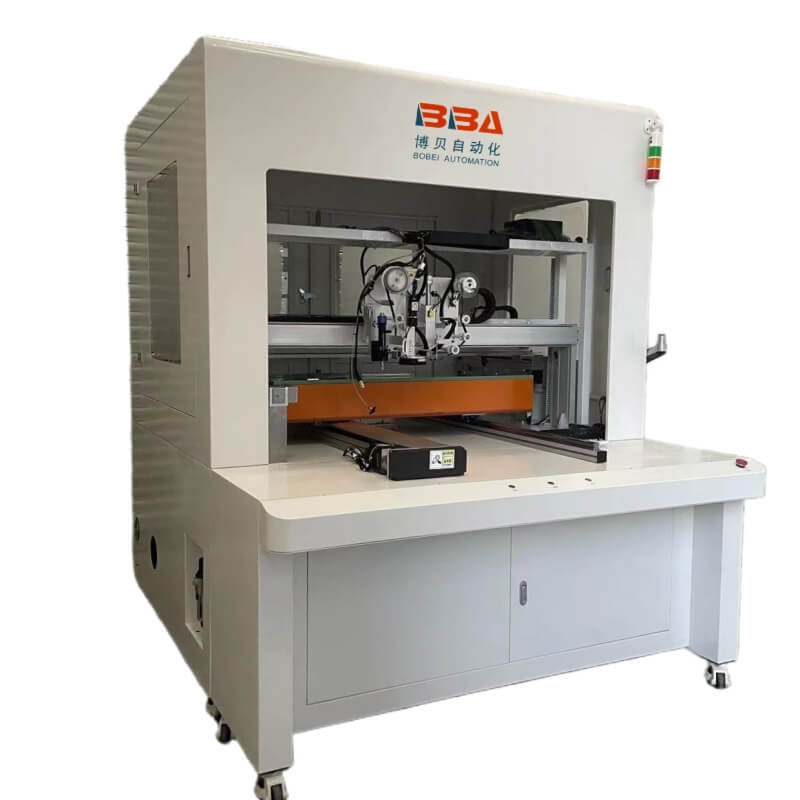
| Product Name | Applicable industries |
| Inline Screw Locking System | Smart Wearables Production |
In the rapidly evolving field of medical device manufacturing, precision and efficiency are paramount. The assembly of medical devices often involves intricate processes, with screw fastening being a critical step. Manual screwdriving can be time-consuming, error-prone, and inconsistent, leading to potential quality issues. This is where screw automation technology steps in, revolutionizing the way medical devices are assembled while ensuring unparalleled accuracy and repeatability.
Screw automation systems are designed to handle the precise placement and tightening of screws in medical device assembly lines. These systems leverage advanced robotics, vision systems, and torque control mechanisms to deliver consistent results. By automating this process, manufacturers can significantly reduce human error, improve product quality, and increase throughput. The benefits are particularly pronounced in the medical industry, where even the slightest deviation can compromise device performance and patient safety.
One of the key advantages of screw automation is its adaptability. Medical devices come in various shapes and sizes, and automated systems can be customized to accommodate different screw types, materials, and tightening specifications. Whether it’s miniature screws for delicate surgical instruments or larger fasteners for diagnostic equipment, automation ensures each screw is placed with the exact torque required for optimal performance. This level of precision is difficult to achieve manually, especially in high-volume production environments.
Integration of screw automation into medical device assembly lines also enhances traceability. Modern systems are equipped with data logging capabilities, recording every step of the screwdriving process. This data can be used for quality control, compliance reporting, and process optimization. In an industry governed by strict regulatory standards, such as ISO 13485 and FDA requirements, having a verifiable record of each assembly step is invaluable. Automated systems ensure that every device meets the stringent criteria set by regulatory bodies.
Another significant benefit is the reduction in production costs. While the initial investment in screw automation technology may seem substantial, the long-term savings are considerable. Automated systems minimize material waste, reduce labor costs, and decrease the likelihood of rework due to assembly errors. Additionally, faster cycle times mean higher productivity, allowing manufacturers to meet growing demand without compromising quality. For medical device companies, this translates to a stronger competitive edge in a market where reliability and efficiency are key differentiators.
In conclusion, screw automation is transforming medical device assembly by delivering precision, efficiency, and compliance. As the industry continues to advance, adopting automated solutions will become increasingly essential for manufacturers aiming to stay ahead. By leveraging this technology, companies can ensure their products meet the highest standards of quality while optimizing their production processes for greater profitability and scalability.