8618566785362 8618566785362 8618566785362 phoenix08@bbamachine.com
- All
- Product Name
- Product Keyword
- Product Model
- Product Summary
- Product Description
- Multi Field Search

Views: 0 Author: BBA AUTOMATION Publish Time: 2025-07-23 Origin: BBA AUTOMATION


| Product Name | Applicable industries |
| Smart Screw Driving Machine | PCB and Circuit Board Assembly |
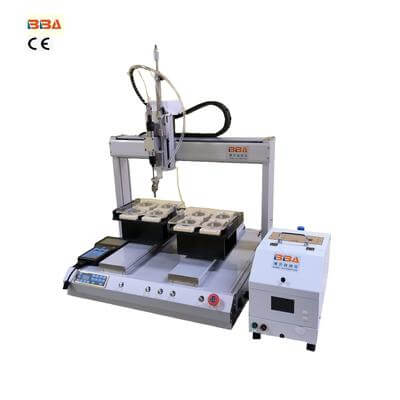
Screw locking machines are essential in manufacturing and assembly lines, ensuring fasteners are securely tightened to the required torque. Evaluating their performance is critical to maintaining product quality, operational efficiency, and workplace safety. This guide explores key factors to consider when assessing the performance of a screw locking machine.
A screw locking machine's primary function is to apply precise torque to fasteners. To evaluate performance, measure the machine's torque accuracy against specified tolerances using a calibrated torque analyzer. Consistent torque application ensures uniformity in assembly and prevents issues like under-tightening or over-tightening, which can lead to product failures.
The machine's cycle time per screw directly impacts production throughput. Measure the time taken to complete a locking operation and compare it with the manufacturer’s rated speed. High-performance machines balance speed with precision, minimizing downtime while maintaining reliability.
Assess the machine's build quality and lifespan under operational conditions. Machines with robust construction and minimal wear-and-tear reduce maintenance costs and unexpected failures. Review maintenance logs to determine the frequency of part replacements or servicing.
Advanced screw locking machines offer real-time monitoring and error detection, such as misaligned screws or insufficient torque. Evaluate whether the machine provides actionable feedback, such as alerts or automatic shutdowns, to prevent defective assemblies from progressing down the line.
A versatile machine should handle various screw sizes and materials without frequent adjustments. Test its performance with different fastener types to ensure consistent locking quality. Machines with quick-change tooling or programmable settings improve flexibility.
Energy-efficient machines reduce operational costs, while low-noise models contribute to a safer work environment. Compare power usage data and conduct noise level measurements to ensure compliance with workplace regulations.
A well-designed interface and intuitive controls minimize training time and operator errors. Assess the ease of setup, programming, and troubleshooting. Machines with clear documentation and responsive support services enhance productivity.
By systematically evaluating these factors, manufacturers can ensure their screw locking machines deliver optimal performance, reliability, and cost-efficiency. Regular performance reviews and preventive maintenance further extend the machine's lifespan and maintain high-quality production standards.