8618566785362 8618566785362 8618566785362 phoenix08@bbamachine.com
- All
- Product Name
- Product Keyword
- Product Model
- Product Summary
- Product Description
- Multi Field Search

Views: 0 Author: BBA AUTOMATION Publish Time: 2025-07-21 Origin: BBA AUTOMATION


Multi-Axis Screw Robot Search Trends: Revolutionizing Industrial Automation
The industrial automation landscape is continuously evolving, with multi-axis screw robots emerging as a game-changer in manufacturing and assembly processes. As search trends indicate growing interest in this technology, it's clear that businesses are recognizing the transformative potential of these advanced robotic systems. This article explores the key trends, applications, and benefits driving the popularity of multi-axis screw robots.
Understanding Multi-Axis Screw Robots
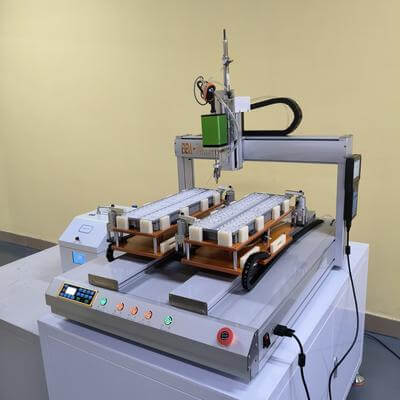
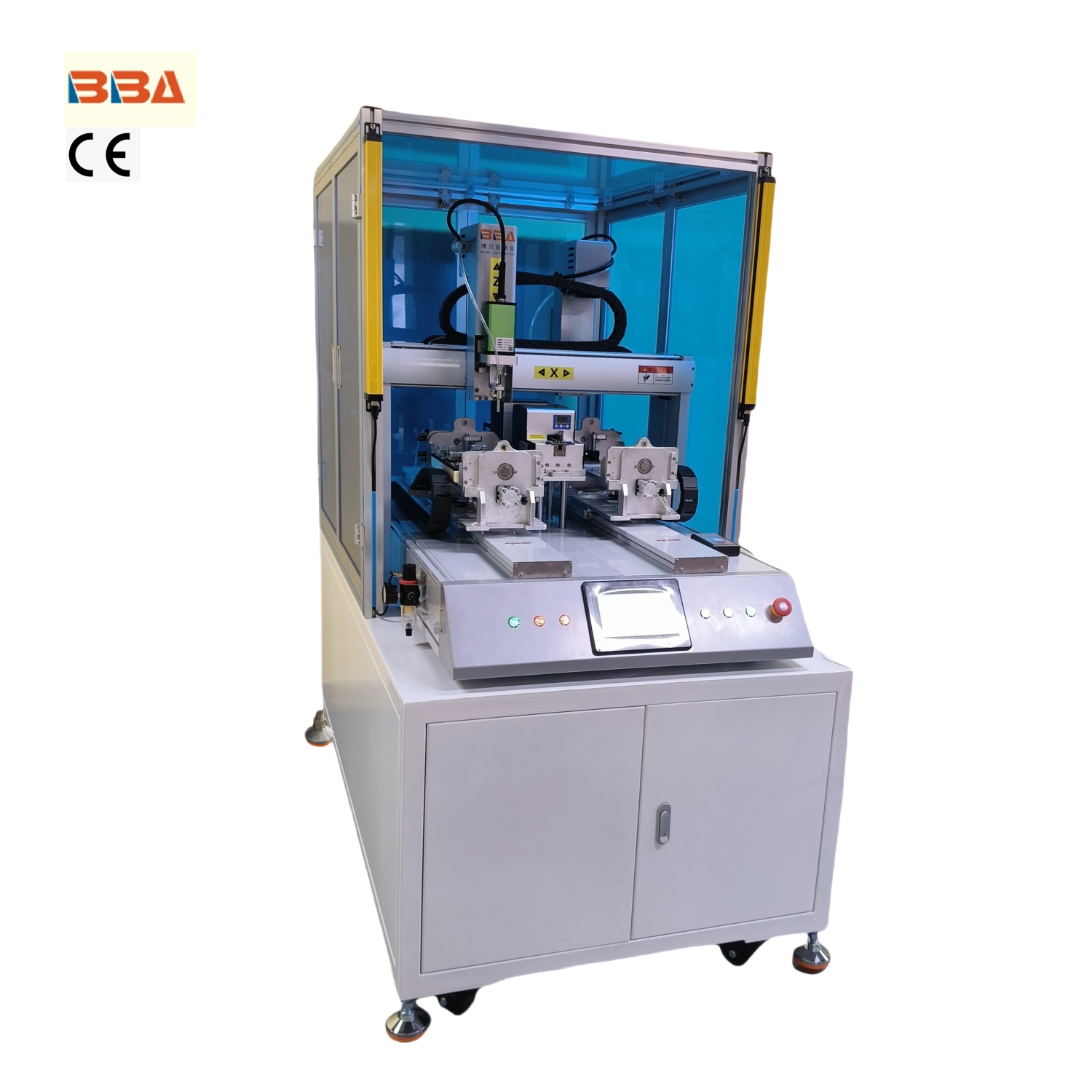
Multi-axis screw robots represent a significant advancement in automated fastening technology. Unlike traditional single-axis systems, these robots offer greater flexibility and precision through their ability to move and adjust along multiple planes. The increased degrees of freedom allow for complex screwdriving operations in confined spaces and at challenging angles that would be difficult or impossible for human workers or simpler machines.
Key Factors Driving Search Trends
Several factors contribute to the rising search volume for multi-axis screw robot technology. First, manufacturers are under increasing pressure to improve production efficiency while maintaining high-quality standards. These robots enable faster cycle times with consistent results. Second, labor shortages in many industrial sectors have accelerated the adoption of automation solutions. Third, advancements in robotic vision systems and AI have made multi-axis robots more adaptable to variable production environments.
Applications Showing Highest Demand
Analysis of search patterns reveals particular interest in applications involving electronic device assembly, automotive component manufacturing, and medical device production. The electronics sector especially values these robots for their ability to handle small, delicate components with micron-level precision. In automotive applications, multi-axis screw robots are increasingly used for interior panel assembly and engine component fastening.
Technological Advancements Fueling Growth
Recent innovations in multi-axis screw robot technology include integrated torque monitoring systems, self-learning capabilities for adaptive fastening, and collision detection features for enhanced safety. These improvements address common concerns in automated screwdriving, such as thread stripping or cross-threading, making the technology more reliable for critical applications. The development of compact models with higher payload capacities has also expanded their use in space-constrained production lines.
Future Outlook and Market Potential
Search trend analysis suggests sustained growth in interest for multi-axis screw robots as industries continue to embrace Industry 4.0 principles. The integration of IoT capabilities for real-time monitoring and predictive maintenance is expected to drive further adoption. Additionally, as manufacturers seek more flexible production systems, the reprogrammability and quick changeover features of modern multi-axis robots will likely make them an increasingly attractive investment for businesses of all sizes.
The rising search volume for multi-axis screw robot solutions reflects broader shifts in industrial automation priorities. As technology continues to advance and production demands evolve, these sophisticated robotic systems will play an increasingly vital role in maintaining competitive manufacturing operations worldwide.
| Product Name | Applicable industries |
| Inline Screw Locking System | Security Equipment Manufacturing |