8618566785362 8618566785362 8618566785362 phoenix08@bbamachine.com
- All
- Product Name
- Product Keyword
- Product Model
- Product Summary
- Product Description
- Multi Field Search
Views: 0 Author: BBA AUTOMATION Publish Time: 2025-07-04 Origin: BBA AUTOMATION


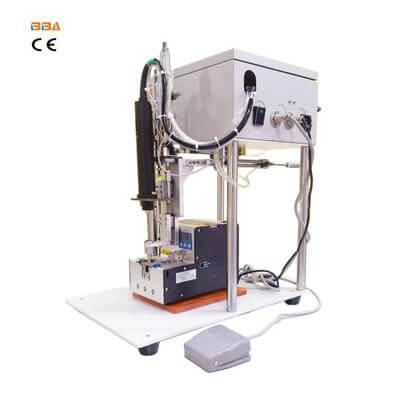
In today’s competitive manufacturing landscape, precision and efficiency are non-negotiable. Screw fastening robots have become indispensable for industries aiming to optimize assembly processes. Two popular solutions – desktop and inline screw robots – offer distinct advantages depending on operational requirements. Let’s explore their differences to help you make an informed decision.
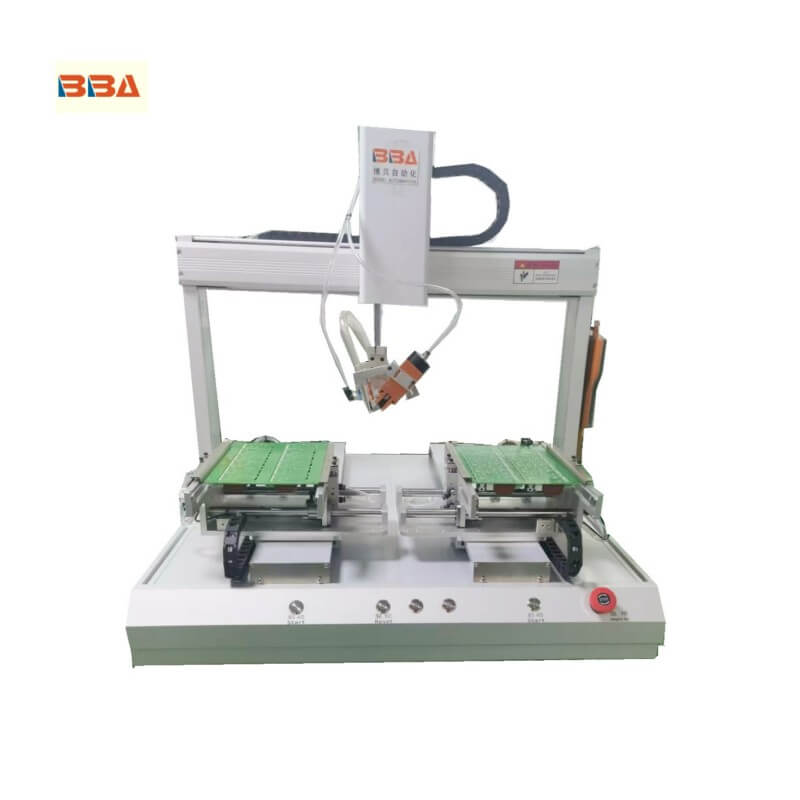
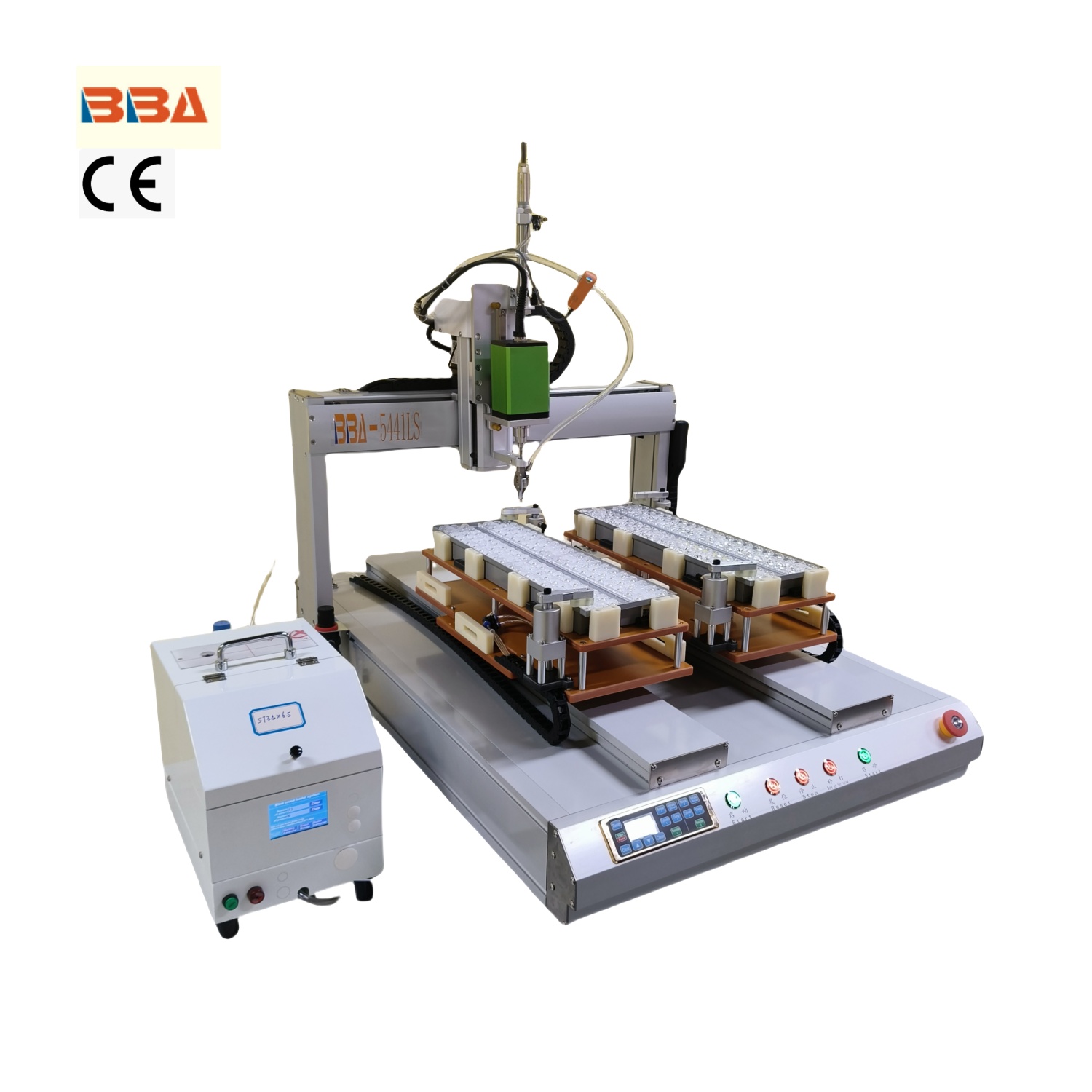
Ideal for limited-space environments, desktop models feature:
Best suited for prototyping, R&D labs, or low-volume manufacturing requiring frequent product changeovers.
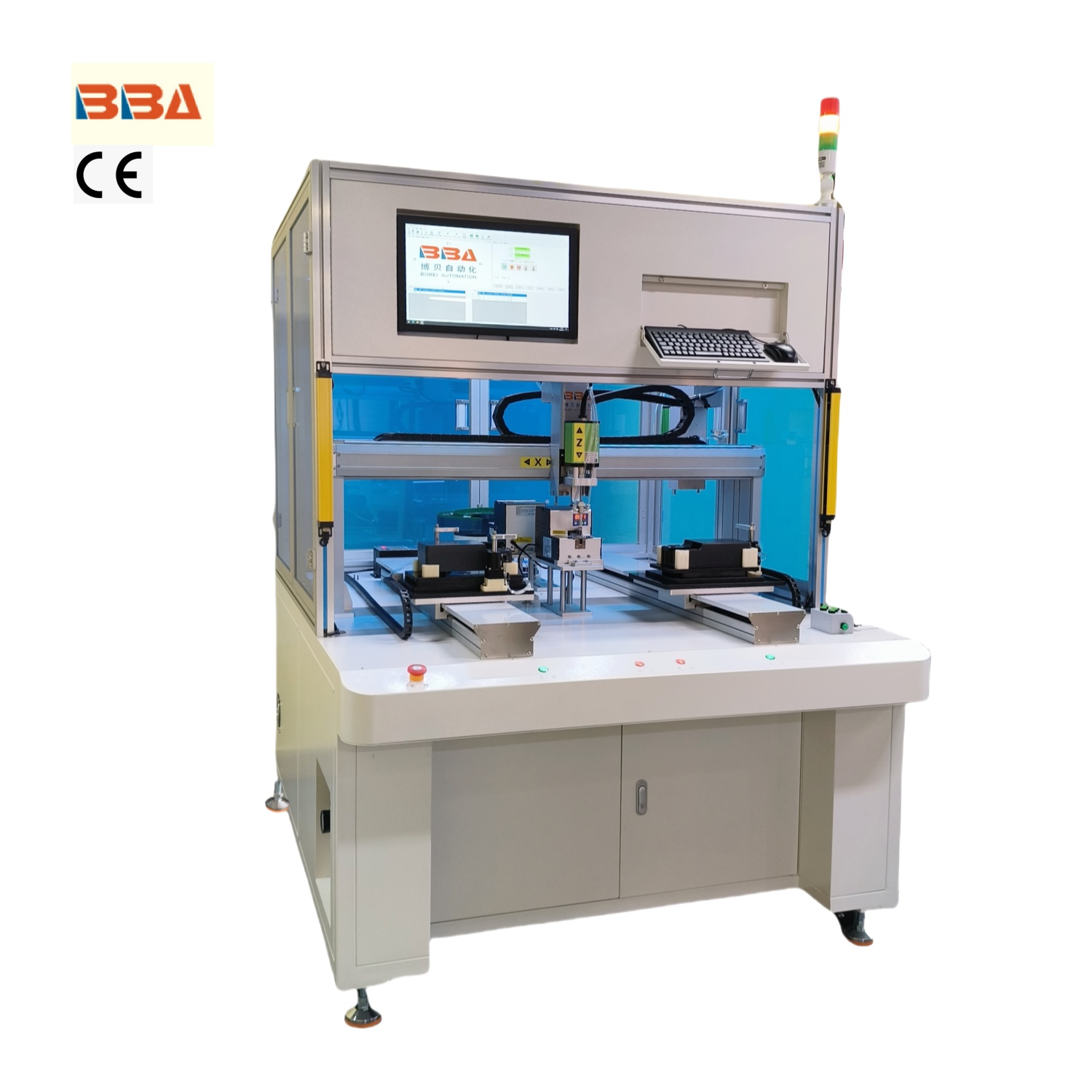
Designed for seamless production line integration:
The optimal choice for mass production scenarios where uptime and consistency are critical.
Production Volume: Desktop (≤5,000 units/day) vs. Inline (10,000+ units/day)
Floor Space: Desktop requires 60% less installation area
Flexibility: Desktop allows faster retooling (under 30 mins typical)
ROI Timeline: Inline systems typically payback in 12-18 months at scale
Latest modular designs now enable:
Pro Tip: Conduct a cycle time analysis and 5-year production forecast before deciding. Many operations benefit from combining both types in different production stages.
Selecting the right screw robot type directly impacts your operational efficiency and bottom line. While desktop units excel in flexibility, inline systems dominate in high-volume scenarios. Evaluate your current needs while accounting for future scalability to make a choice that grows with your business.
| Product Name | Applicable industries |
| Auto Screwdriver Machine | Smartphone Manufacturing |