8618566785362 8618566785362 8618566785362 phoenix08@bbamachine.com
- All
- Product Name
- Product Keyword
- Product Model
- Product Summary
- Product Description
- Multi Field Search

Views: 0 Author: BBA AUTOMATION Publish Time: 2025-06-26 Origin: BBA AUTOMATION


| Product Name | Applicable industries |
| Screw Fastening Unit | Smart Wearables Production |
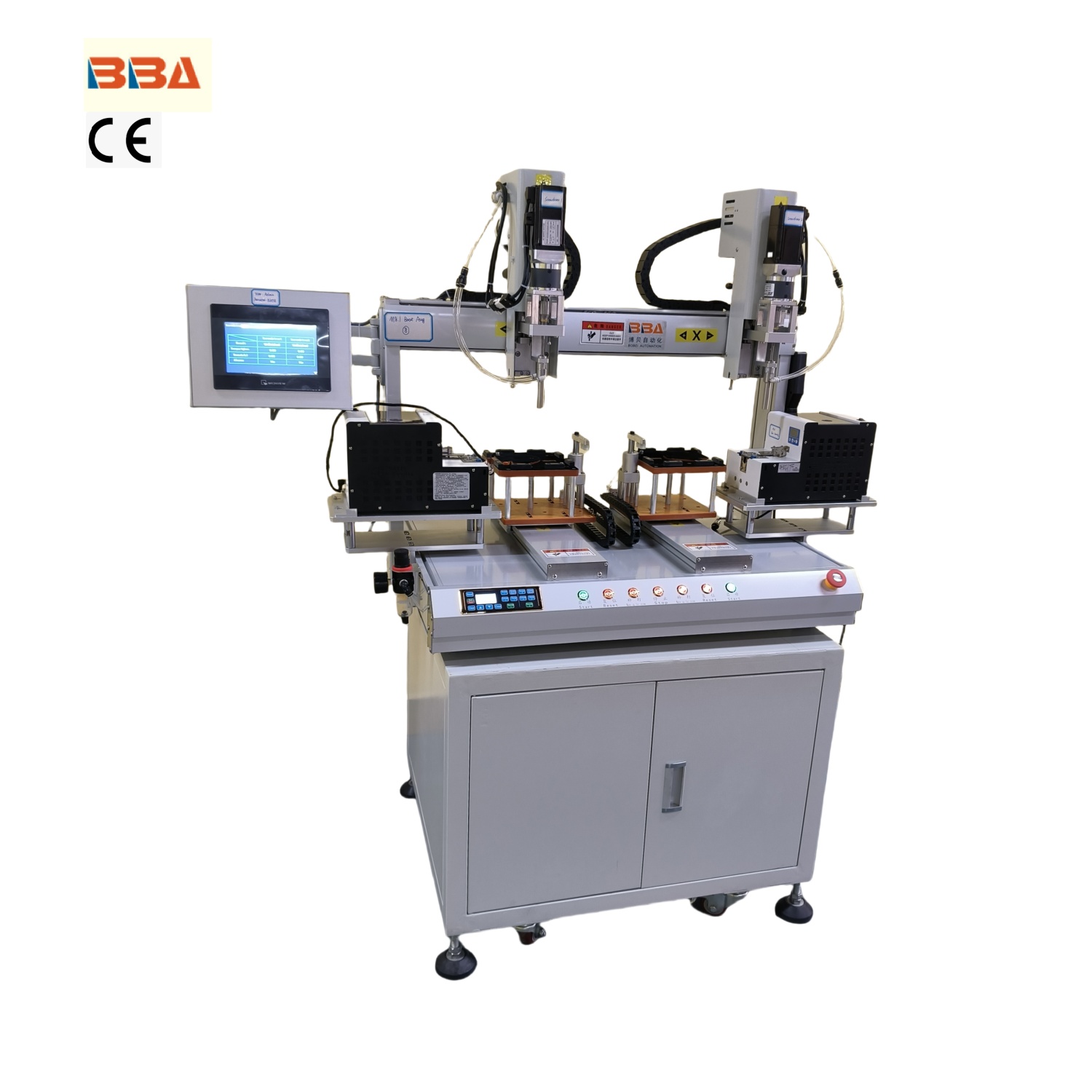
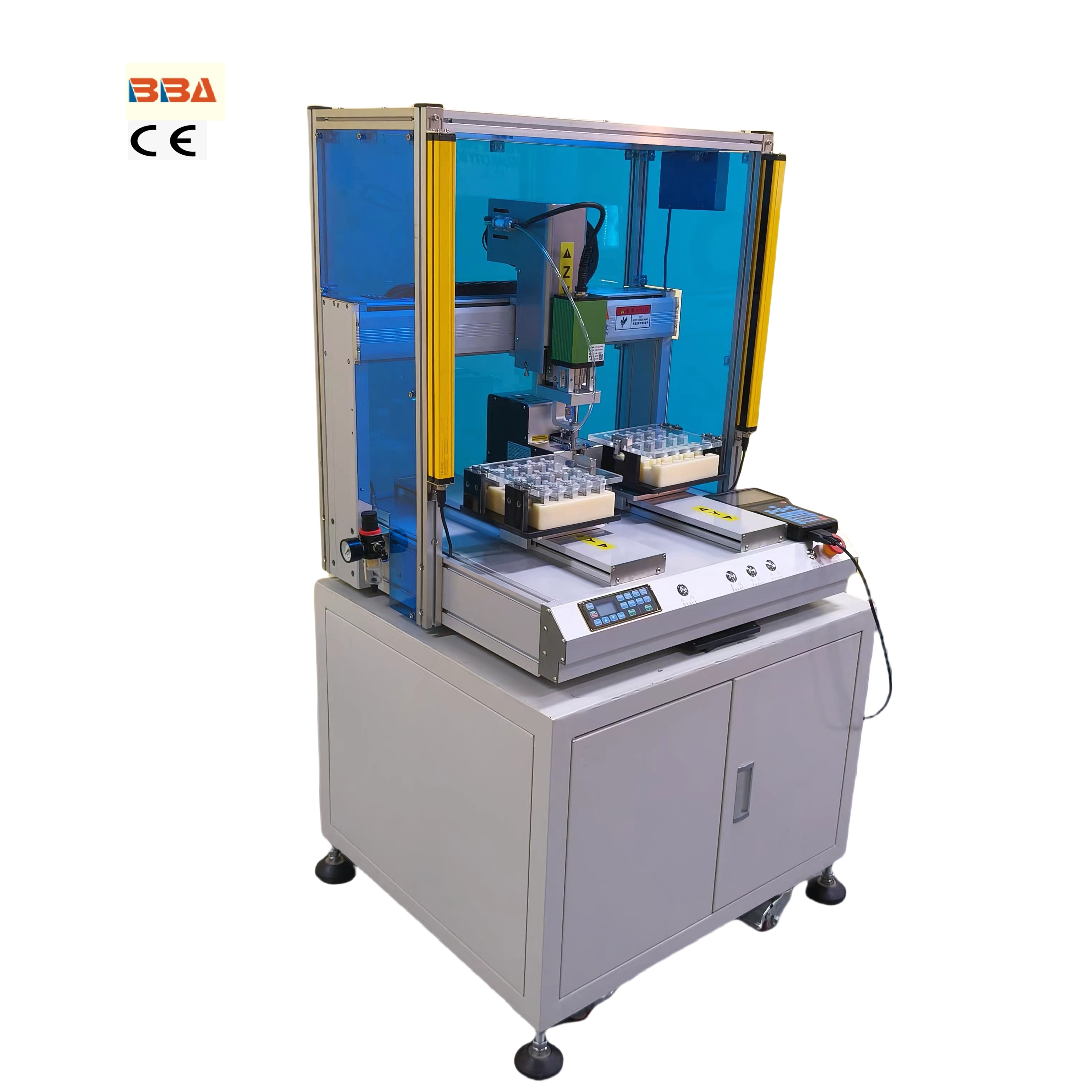
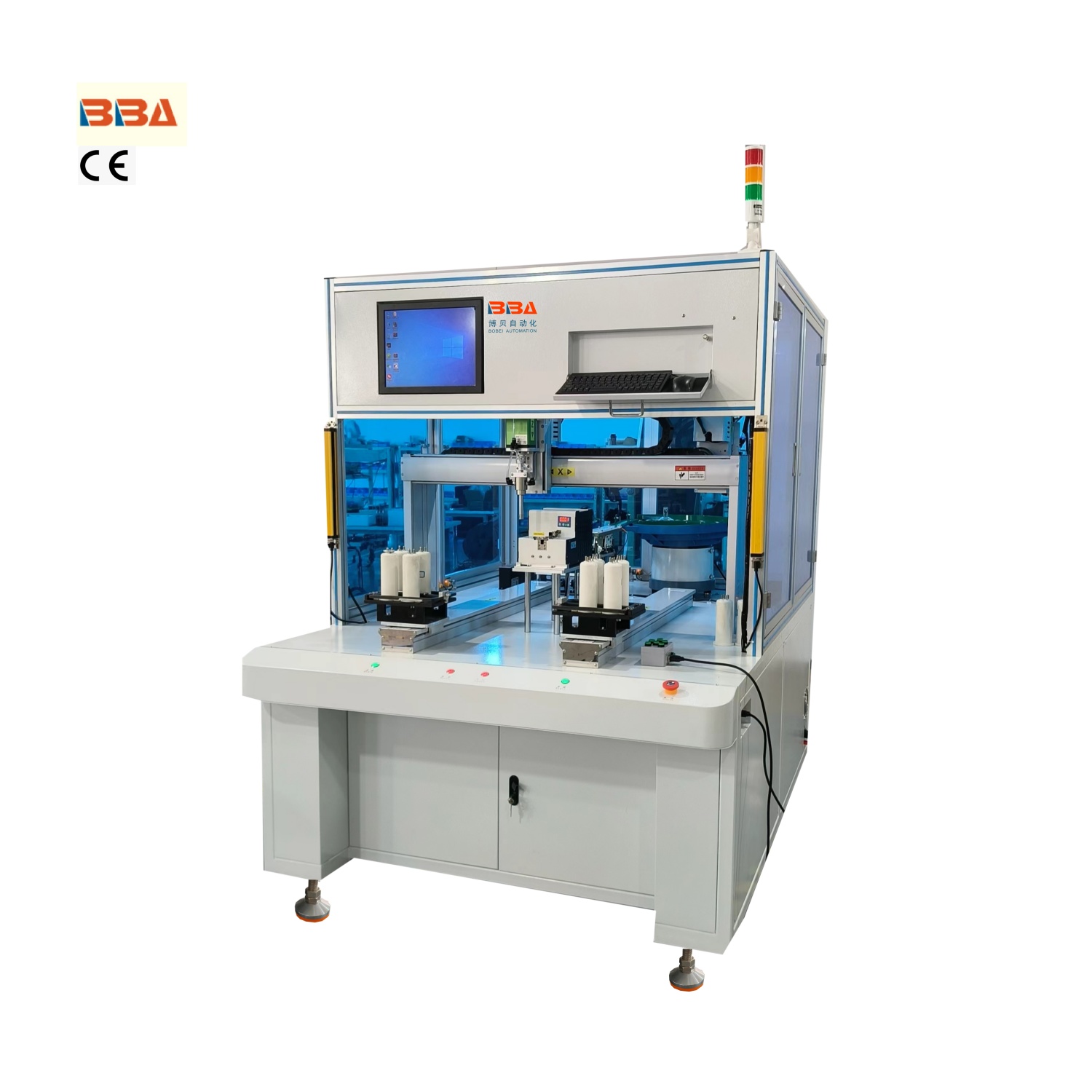
Modular Design Options for Robotic Screw Machines
The rapid evolution of industrial automation demands flexibility like never before. In fastening applications, robotic screw machines have become indispensable – yet fixed-configuration systems often limit production agility. Modular design philosophies are transforming this landscape by enabling adaptable robotic solutions that evolve alongside manufacturing needs.
Traditional screw machines struggle with frequent product changeovers or mixed-production lines. Dedicated tooling creates bottlenecks when:
Modular architectures solve these challenges by treating robotic screw systems as customizable ecosystems rather than monolithic units. This paradigm allows:
Adaptive End Effectors: Intelligent screwdrivers with quick-change chucks automatically adjust torque/tightening strategies via software presets. Magnetic or pneumatic couplers enable tool swaps in seconds without recalibration.
Multi-Purpose Mounting Systems: Universal brackets accommodate diverse installations: - Overhead gantries for large work envelopes - Robotic arm integration for complex angles - Stationary fixtures for high-precision tasks
Unified Control Architecture: Open-communication protocols (EtherCAT, Modbus TCP) bind components into a responsive network. PLCs and HMIs manage everything from collision avoidance to predictive maintenance alerts through a single interface. Tooling profiles store parameters for instant recall during product transitions.
Modular robotic screwdrivers deliver measurable benefits across production cycles:
Industrial success stories highlight modularity's versatility:
These implementations demonstrate how modularity serves evolving quality standards and design iterations without capital-intensive reinvestment.
Modularity is becoming the backbone of Industry 4.0. As digital twins and AI-driven optimization mature, configurable screw machines provide essential physical adaptability. Real-time data from modular components feeds predictive analytics while standardized interfaces simplify IoT integration.
Key Insight: The true value lies beyond initial investments. Modular systems continuously generate ROI through minimized changeover waste, extended equipment lifetime, and effortless tech adoption. In an era of compressed product lifecycles, this architectural approach transforms screw fastening from a static operation into a competitive advantage.
For forward-thinking manufacturers, modular robotic screw machines aren't just tools—they're dynamic assets that grow with your production strategy. This foundational flexibility ensures your automation investments navigate future challenges while maintaining peak efficiency today.