8618566785362 8618566785362 8618566785362 phoenix08@bbamachine.com
- All
- Product Name
- Product Keyword
- Product Model
- Product Summary
- Product Description
- Multi Field Search

Views: 0 Author: BBA AUTOMATION Publish Time: 2025-06-22 Origin: BBA AUTOMATION


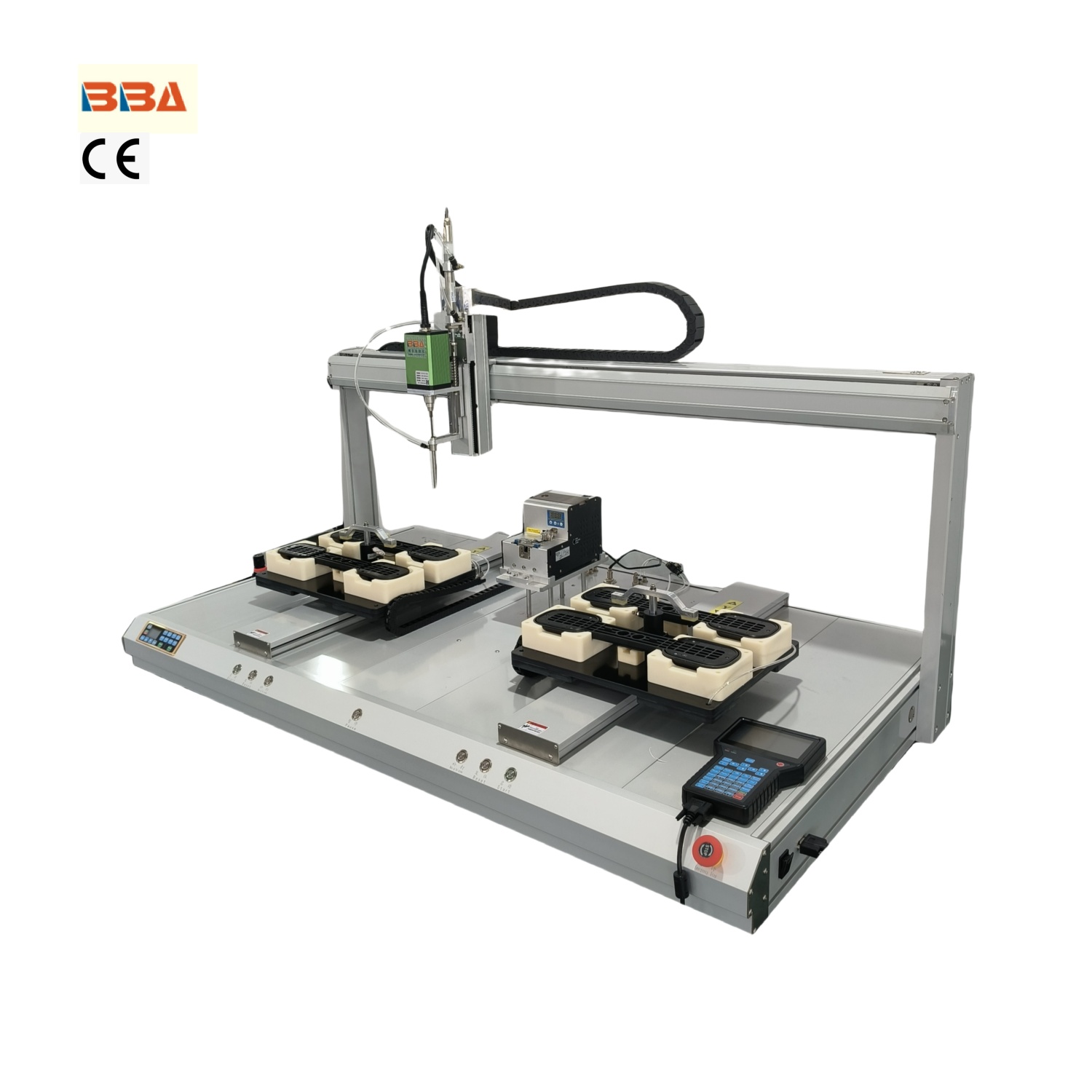
In the rapidly evolving landscape of smart manufacturing, efficiency and precision are no longer optional—they are essential for success. Smart manufacturing integrates cutting-edge technologies like artificial intelligence, Internet of Things (IoT), and robotics to create seamless, automated production lines. At the heart of this transformation lies a revolutionary tool: the multi-axis screw driver. This innovative device is redefining assembly processes by enabling high-speed, ultra-precise fastening across multiple planes, eliminating delays and errors that plagued traditional methods. Imagine a factory floor where screwdrivers move with robotic agility, adapting in real-time to complex tasks without human intervention, boosting productivity dramatically. This blog explores how multi-axis screw drivers are driving the next industrial revolution and why they are indispensable in today’s automated ecosystems.
Multi-axis screw drivers, unlike conventional models, operate on multiple axes of motion—typically up to six, allowing them to position and drive screws with exceptional accuracy across diverse angles and surfaces. They integrate smoothly with robotic arms or standalone systems, using sensors to detect torque, angle, and depth, adjusting instantly to avoid over-tightening or misalignment. In demanding sectors such as automotive assembly or consumer electronics manufacturing, these drivers ensure consistent output even in fast-paced environments. For instance, during engine production, a multi-axis screw driver can handle intricate bracket assemblies securely, completing tasks in seconds—much faster than manual approaches—while reducing fatigue-related defects. The result? A surge in efficiency, with reported reductions of up to 50 percent in assembly times and a 20 percent drop in rework costs across industry benchmarks.
Beyond speed and accuracy, multi-axis screw drivers excel in flexibility, a cornerstone of smart manufacturing. They are programmable via intuitive software interfaces, allowing quick reconfiguration for varying product batches. This adaptability supports agile production shifts, such as moving from small appliance builds to large industrial panels, all without significant downtime. Coupled with IoT connectivity, these devices transmit real-time performance data to central systems, enabling predictive maintenance. Sensors monitor vibration, temperature, and usage trends, alerting teams to potential failures before they cause costly shutdowns. This proactive approach extends equipment lifespan by up to 30 percent, minimizing unplanned outages and enhancing overall operations. Ultimately, multi-axis technology transforms screw driving from a manual chore into a data-driven asset, empowering manufacturers to achieve higher throughput with fewer resources.
The economic and environmental benefits of multi-axis screw drivers cannot be overstated. By automating repetitive fastening tasks, they substantially cut labor costs and energy consumption. For example, a single multi-axis unit can handle work that previously required multiple operators, freeing up human talent for value-added roles in design and quality control. This automation aligns with sustainable manufacturing goals, reducing waste through precise material usage and lower error rates. In smart factories, such systems integrate with AI analytics to optimize processes continuously, learning from each cycle to refine efficiency and minimize defects. As global supply chains demand higher reliability and shorter lead times, these drivers provide a competitive edge, ensuring consistent product quality while scaling production seamlessly from prototypes to mass volumes.
In conclusion, multi-axis screw drivers represent a quantum leap in industrial automation, unlocking new levels of agility and intelligence for smart manufacturing. Their ability to perform complex tasks quickly, precisely, and sustainably positions them as essential tools for any future-focused production line. By reducing cycle times, costs, and risks, they enable manufacturers to innovate boldly while maintaining high standards of quality. As technology evolves further, we anticipate even smarter iterations, incorporating advancements like collaborative robotics and enhanced sensor networks to drive innovation across industries. It is clear that embracing multi-axis solutions isn't just about upgrading equipment—it's about revolutionizing how we build tomorrow. Join the revolution today and see how this transformative technology can elevate your operations to unprecedented heights.
| Product Name | Applicable industries |
| Screw Locking Robot | Telecommunication Equipment Assembly |