8618566785362 8618566785362 8618566785362 phoenix08@bbamachine.com
- All
- Product Name
- Product Keyword
- Product Model
- Product Summary
- Product Description
- Multi Field Search

body { font-family: Arial, sans-serif; line-height: 1.6; color: #333; margin: 20px; } h1 { color: #2c3e50; font-size: 28px; margin-bottom: 20px; } h2 { color: #34495e; font-size: 22px; margin-top: 25px; margin-bottom: 15px; } p { margin-bottom: 15px; text-align: justify; } ul { margin-bottom: 15px; padding-left: 20px; } li { margin-bottom: 8px; } strong { color: #16a085; } Cronograma de Manutenção para Tempo de Atividade Máximo No mundo da automação industrial, o tempo de inatividade não planejado é uma das ameaças mais significativas à produtividade e à rentabilidade. Uma única hora de produção paralisada pode resultar em perdas financeiras substanciais e perturbar cadeias de abastecimento inteiras. A chave para mitigar esse risco reside não em correções reativas, mas em uma abordagem proativa e estratégica: um cronograma de manutenção meticulosamente planejado projetado para tempo de atividade máximo. O Papel Crítico da Manutenção Proativa A manutenção reativa, ou consertar equipamentos apenas após a falha, é uma estratégia dispendiosa e ineficiente. Ela leva a quebras imprevisíveis, reparos de emergência e períodos prolongados de inatividade. Em contraste, um cronograma de manutenção proativa muda o paradigma da resposta a falhas para a prevenção de falhas. Esta estratégia envolve inspeções, serviços e substituição de peças regularmente programadas com base em intervalos de tempo ou dados reais de uso do equipamento. O objetivo principal é identificar e abordar problemas potenciais antes que eles se transformem em falhas maiores, garantindo assim operação contínua e protegendo seus ativos valiosos. Elementos-Chave de um Cronograma de Manutenção Eficaz Criar um cronograma de manutenção que genuinamente maximize o tempo de atividade requer mais do que verificações aleatórias. Deve ser um documento abrangente e dinâmico, adaptado à sua operação específica. Análise de Criticalidade de Ativos: Nem todos os equipamentos são iguais. Comece categorizando sua maquinaria com base em seu impacto na produção. Ativos críticos, cuja falha pararia linhas inteiras, devem ser priorizados com as rotinas de manutenção mais rigorosas. Aproveitar Tecnologias Preditivas: Vá além dos cronogramas tradicionais baseados no tempo, integrando ferramentas de monitoramento de condição. Análise de vibração, imagem térmica e testes ultrassônicos podem fornecer dados em tempo real sobre a saúde do equipamento, permitindo que você execute a manutenção precisamente quando necessário—não muito cedo e nunca tarde demais. Listas de Tarefas e Procedimentos Detalhados: Cada evento de manutenção programado deve ter uma lista de verificação clara de tarefas, desde inspeções visuais e lubrificação até calibração e substituição de componentes. Padronizar esses procedimentos garante consistência e completude, não deixando espaço para erro. Gestão de Peças e Inventário: Um cronograma é inútil se as peças necessárias não estiverem disponíveis. Planeje a manutenção em torno de um inventário bem gerido de peças críticas sobressalentes para evitar períodos de espera que prolonguem o tempo de inatividade. Documentação e Melhoria Contínua: Cada ação de manutenção deve ser registrada. Esses dados históricos são inestimáveis para rastrear o desempenho dos ativos, identificar problemas recorrentes e refinar cronogramas futuros para serem ainda mais eficazes. Implementação e Melhores Práticas Implementar uma nova estratégia de manutenção é uma mudança cultural que requer o comprometimento de todos os níveis da organização. Comece pilotando o cronograma em algumas linhas de produção críticas para demonstrar seu valor. Utilize modernos Sistemas Computadorizados de Gestão de Manutenção (CMMS) para automatizar ordens de trabalho, acompanhar o histórico e gerenciar recursos com eficiência. Mais importante, treine seus técnicos minuciosamente. Eles devem entender o 'porquê' por trás do cronograma e estar equipados com as habilidades para realizar diagnósticos e procedimentos avançados. Por fim, revise e ajuste o cronograma regularmente. As demandas de produção mudam, a tecnologia evolui e seu plano de manutenção deve ser dinâmico o suficiente para se adaptar. O Resultado: Produtividade Sustentada e Valor de Longo Prazo Investir tempo e recursos no desenvolvimento de um cronograma de manutenção disciplinado paga dividendos imensos. O benefício mais imediato é uma redução dramática no tempo de inatividade não planejado, levando a uma maior Eficácia Global do Equipamento (OEE), aumento da produção e tempos de entrega mais confiáveis. Além disso, equipamentos bem mantidos operam com mais eficiência, consumindo menos energia e reduzindo custos operacionais. Isso também estende a vida útil de seus investimentos de capital, adiando substituições dispendiosas. Em última análise, um cronograma de manutenção robusto não é uma despesa; é uma pedra angular estratégica para construir uma operação de manufatura resiliente, competitiva e lucrativa. Nome do Produto Indústrias Aplicáveis Alimentador Automático de Parafusos Indústria de Iluminação LED
body { font-family: Arial, sans-serif; line-height: 1.6; margin: 20px; color: #333; } h1 { color: #0056b3; font-size: 28px; margin-bottom: 20px; } h2 { color: #003366; font-size: 22px; margin-top: 25px; margin-bottom: 15px; } p { margin-bottom: 15px; text-align: justify; } ul { margin-top: 10px; margin-bottom: 15px; padding-left: 20px; } li { margin-bottom: 8px; } .highlight { background-color: #f0f8ff; padding: 15px; border-radius: 5px; margin: 20px 0; } .keyword { font-weight: bold; color: #0056b3; } Serviços de Valor Agregado com Sistemas Multi-Eixo No cenário em rápida evolução da automação industrial, os sistemas de controle de movimento multi-eixo representam uma pedra angular da manufatura moderna. Esses sistemas sofisticados, que coordenam o movimento em vários eixos simultaneamente, estão revolucionando a forma como tarefas complexas são realizadas com precisão e eficiência incomparáveis. No entanto, o verdadeiro poder desses sistemas é desbloqueado não apenas pelo hardware em si, mas através de um conjunto abrangente de serviços de valor agregado que garantem desempenho ideal, longevidade e um rápido retorno sobre o investimento. Além do Hardware: O Papel Crítico da Integração Implantar um sistema multi-eixo é muito mais do que uma operação simples de plug-and-play. A complexidade envolvida na sincronização de motores, acionadores e controladores exige integração de sistema especializada. Serviços profissionais de integração garantem que todos os componentes trabalhem em perfeita harmonia, adaptados especificamente à sua aplicação única - seja montagem robótica intrincada, embalagem de alta velocidade ou usinagem de precisão. Este serviço fundamental mitiga riscos, reduz o tempo de inicialização e garante que o sistema desempenhe conforme suas capacidades especificadas desde o primeiro dia. Programação Personalizada e Engenharia de Aplicação Cada processo de manufatura tem seus próprios requisitos distintos. Soluções de software prontas geralmente não conseguem abordar desafios específicos. É aqui que a programação personalizada e a engenharia de aplicação se tornam inestimáveis. Especialistas podem desenvolver rotinas de software sob medida que otimizam o planejamento de trajetórias, minimizam tempos de ciclo e implementam perfis de movimento complexos. Este nível profundo de personalização aumenta a flexibilidade, permitindo a execução de tarefas altamente especializadas que proporcionam uma vantagem competitiva significativa. Principais Serviços de Valor Agregado Incluem: Projeto e Simulação Abrangente do Sistema: Modelagem virtual de todo o sistema para prever desempenho, identificar problemas potenciais e validar conceitos antes da implementação física. Treinamento Avançado e Transferência de Conhecimento: Capacitando sua força de trabalho com as habilidades necessárias para operar, manter e solucionar problemas do sistema de forma eficaz, maximizando o tempo de atividade e a produtividade. Manutenção Preditiva e Diagnósticos Remotos: Utilizando tecnologia conectada para monitorar a saúde do sistema, prever necessidades de manutenção e frequentemente resolver problemas remotamente, prevenindo paradas não planejadas custosas. Suporte Técnico e Gestão do Ciclo de Vida: Prestação de assistência contínua, desde a solução de problemas até atualizações, garantindo que seu sistema evolua junto com suas necessidades de produção e avanços tecnológicos. Impulsionando a Excelência Operacional e a Antecipação ao Futuro O investimento em um sistema multi-eixo é significativo, e proteger esse investimento é primordial. Os serviços de valor agregado são a chave para antecipar o futuro de seus ativos de automação. Através de suporte e atualizações contínuas, seu sistema pode se adaptar a novos produtos, processos e tecnologias. Esta abordagem transforma uma despesa de capital em uma parceria estratégica de longo prazo focada em impulsionar a excelência operacional contínua, melhorando a eficácia geral do equipamento (OEE) e sustentando um resultado financeiro robusto. Em conclusão, enquanto os sistemas multi-eixo fornecem os meios mecânicos para alcançar automação avançada, é a camada de serviços de valor agregado que realmente entrega seu potencial prometido. Estes serviços garantem integração perfeita, operação personalizada e desempenho sustentado, transformando tecnologia sofisticada em um motor confiável e poderoso para o sucesso da sua manufatura. Nome do Produto Indústrias Aplicáveis Robo de Bloqueio por Parafuso Montagem de Equipamentos de Telecomunicações
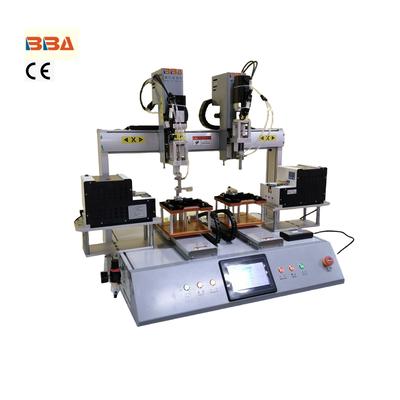
Product NameApplicable industriesSmart Screw Driving MachineToy and Game Console ProductionCombining Dispensing and Robotic Screw DrivingIn the rapidly evolving landscape of industrial automation, integrating multiple processes into a single, streamlined operation has become a key strategy for enhancing efficiency, precision, and productivity. One of the most impactful integrations is the combination of dispensing and robotic screw driving technologies. This synergy not only optimizes manufacturing workflows but also opens new possibilities for innovation and quality assurance.Dispensing systems are widely used in industries such as electronics, automotive, and consumer goods for applying adhesives, sealants, lubricants, and other materials with high accuracy. Meanwhile, robotic screw driving automates the fastening process, ensuring consistent torque and reducing the risk of human error. By merging these two functions into a cohesive unit, manufacturers can achieve a seamless assembly process that minimizes handling, reduces cycle times, and improves overall product reliability.Benefits of IntegrationThe integration of dispensing and robotic screw driving offers several compelling advantages. First, it eliminates the need for separate workstations, saving valuable floor space and reducing material transfer between stages. This consolidation leads to a more compact production line and lower operational costs.Second, combining these processes enhances precision and repeatability. For instance, in applications where adhesives are used alongside mechanical fasteners, the robotic system can first dispense the exact amount of adhesive required and then immediately drive the screw into place. This ensures optimal bonding and fastening without delays or misalignments that might occur if the processes were separated.Third, this integration supports better quality control. With sensors and vision systems often embedded in modern automation equipment, the combined system can verify the presence and correct application of adhesives, as well as monitor screw driving parameters such as torque and depth. Any deviations can be detected in real-time, allowing for immediate corrections and reducing the likelihood of defects.Applications Across IndustriesThe versatility of combined dispensing and screw driving makes it suitable for a wide range of applications. In the electronics industry, for example, it is used to assemble devices where components must be both glued and screwed for added security and vibration resistance. Automotive manufacturers employ this technology for installing interior panels, sensors, and electrical modules that require sealing and fastening. Similarly, in aerospace and medical device production, where precision and reliability are critical, integrated systems ensure compliance with stringent standards.Moreover, the flexibility of robotic automation allows for easy adaptation to different product designs and volumes. Whether for high-volume mass production or customized, low-volume batches, the system can be programmed to handle varying dispensing patterns and screw types with minimal changeover time.Future OutlookAs industries continue to embrace smart manufacturing and Industry 4.0 principles, the integration of dispensing and robotic screw driving is expected to become even more sophisticated. Advances in artificial intelligence and machine learning will enable predictive maintenance, self-optimization, and greater autonomy. Additionally, the rise of collaborative robots (cobots) will make these integrated systems more accessible to small and medium-sized enterprises, further democratizing advanced automation.In conclusion, the combination of dispensing and robotic screw driving represents a significant step forward in industrial automation. By unifying these processes, manufacturers can achieve higher efficiency, improved product quality, and greater flexibility. As technology continues to evolve, this integration will undoubtedly play a pivotal role in shaping the future of manufacturing.
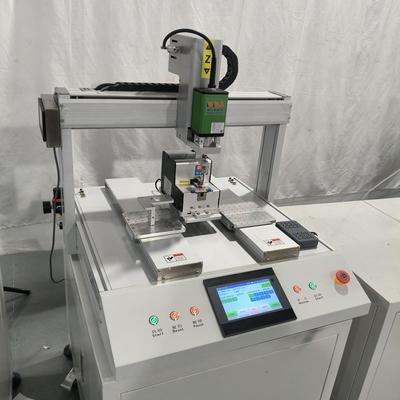
Nome do Produto Indústrias Aplicáveis Robô de Chave de Fenda de Mesa Indústria de Iluminação LED O panorama industrial global está passando por uma transformação profunda, impulsionada pela adoção crescente de tecnologias de automação. Entre estas, os sistemas de fixação automatizados emergiram como um componente crítico, revolucionando os processos de montagem em diversos setores. A demanda por esses sistemas está experimentando um crescimento significativo, alimentada pela necessidade de maior eficiência, qualidade aprimorada e redução de custos operacionais. Os sistemas de fixação automatizados abrangem uma ampla gama de soluções, incluindo aplicações de parafusamento robótico, colocação de porcas e aperto de precisão. Esses sistemas são projetados para lidar com tarefas repetitivas com precisão e consistência incomparáveis, eliminando erros humanos e aumentando a produtividade geral. Em indústrias como automotiva, eletrônica, aeroespacial e bens de consumo, a integração da tecnologia de fixação automatizada tornou-se essencial para manter a vantagem competitiva. Um dos principais impulsionadores por trás da demanda crescente é a busca incessante por precisão. Os processos de fixação manuais são inerentemente variáveis, muitas vezes levando a inconsistências na aplicação de torque, o que pode comprometer a qualidade e a segurança do produto. Os sistemas automatizados, no entanto, garantem que cada fixador seja aplicado com especificações exatas, reduzindo o risco de defeitos e recalls. Esse nível de confiabilidade é particularmente crucial em setores onde segurança e desempenho são primordiais. Outro fator-chave que contribui para o aumento da demanda é a necessidade de escalabilidade. À medida que os mercados evoluem e os volumes de produção flutuam, os fabricantes exigem soluções flexíveis que possam se adaptar às mudanças de requisitos. Os sistemas de fixação automatizados oferecem a versatilidade para lidar com diversos designs de produto e taxas de produção sem reconfiguração significativa. Essa adaptabilidade permite que as empresas respondam rapidamente às demandas do mercado enquanto otimizam a utilização de recursos. A escassez de mão de obra e o aumento dos custos trabalhistas também estão levando as indústrias a investir em automação. Ao implantar sistemas de fixação automatizados, os fabricantes podem reduzir sua dependência de trabalho manual, mitigar o impacto dos desafios da força de trabalho e realocar recursos humanos para tarefas de maior valor agregado. Essa mudança não apenas melhora a eficiência operacional, mas também aumenta a satisfação dos funcionários, reduzindo trabalhos repetitivos e fisicamente exigentes. Avanços tecnológicos estão acelerando ainda mais a adoção de sistemas de fixação automatizados. Inovações como robótica guiada por visão, controle inteligente de torque e monitoramento habilitado para IoT elevaram as capacidades desses sistemas. A coleta e análise de dados em tempo real permitem manutenção preditiva, minimizam tempo de inatividade e fornecem insights valiosos para otimização de processos. Esses recursos inteligentes estão transformando a fixação de uma tarefa mundana em uma função estratégica dentro do ecossistema de manufatura. O impulso global pela sustentabilidade também está influenciando a demanda por soluções de fixação automatizadas. Ao otimizar o uso de materiais e reduzir o desperdício por meio da aplicação precisa, esses sistemas contribuem para práticas de manufatura mais ambientalmente amigáveis. Além disso, a eficiência energética dos equipamentos automatizados modernos está alinhada com os objetivos de sustentabilidade corporativa, tornando-os um investimento atraente para organizações visionárias. Em conclusão, a demanda global por sistemas de fixação automatizados está preparada para um crescimento contínuo, à medida que as indústrias reconhecem seus benefícios multifacetados. Desde aumentar a precisão e escalabilidade até enfrentar desafios trabalhistas e apoiar iniciativas de sustentabilidade, esses sistemas são integrais para o futuro da manufatura. À medida que a tecnologia continua a evoluir, a fixação automatizada无疑 desempenhará um papel ainda mais pivotal na moldagem de processos industriais eficientes, confiáveis e inovadores em todo o mundo.
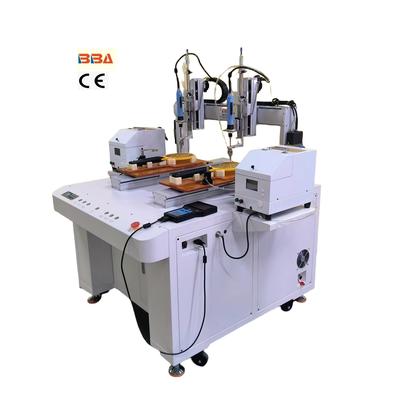
body { font-family: Arial, sans-serif; line-height: 1.6; color: #333; margin: 20px; } h1 { color: #0056b3; font-size: 28px; margin-bottom: 15px; } h2 { color: #004a93; font-size: 22px; margin-top: 25px; margin-bottom: 10px; } p { margin-bottom: 15px; } ul, ol { margin-bottom: 15px; margin-left: 20px; } li { margin-bottom: 5px; } strong { color: #0056b3; } Cost-Benefit Analysis of Screw Locking Automation In the competitive landscape of modern manufacturing, efficiency, reliability, and cost control are paramount. One critical yet often overlooked process is screw locking—the application of thread-locking adhesives to fasteners to prevent loosening under vibration and stress. While traditionally a manual operation, automating this process presents a significant opportunity for operational improvement. This article provides a comprehensive cost-benefit analysis of implementing screw locking automation, highlighting the tangible and intangible advantages for manufacturing operations. Understanding the Initial Investment The decision to automate any process begins with a clear understanding of the initial capital expenditure. For screw locking automation, this includes the cost of the automated dispensing systems, which may range from benchtop units for lower-volume applications to fully integrated robotic cells for high-speed production lines. Additional costs often involve system integration into existing assembly workflows, potential facility modifications, and operator training programs. While this upfront investment can be substantial, it is crucial to view it through the lens of long-term return and total cost of ownership. Quantifying the Tangible Benefits and Cost Savings The financial advantages of automation are typically realized through direct cost savings and increased productivity. Key areas of impact include: Labor Cost Reduction: Manual screw locking is repetitive, time-consuming, and requires consistent operator attention. Automation significantly reduces the labor hours dedicated to this task, allowing personnel to be redeployed to higher-value, more complex operations, thereby optimizing labor costs. Enhanced Throughput and Yield: Automated systems operate at consistently high speeds without fatigue, directly increasing the throughput of your assembly line. Furthermore, they drastically reduce human error, such as missed fasteners or incorrect adhesive application. This improvement in first-pass yield minimizes costly rework, scrap, and potential field failures. Material Savings: Precision automated dispensers apply a consistent, measured amount of thread-locker every time. This eliminates the waste and variability associated with manual application, leading to direct savings on consumable material costs over time. Improved Quality and Reliability: The consistent application ensures every fastener is secured to the exact same specification, enhancing the overall quality and long-term reliability of the final product. This reduces warranty claims and protects brand reputation. Evaluating the Intangible Strategic Advantages Beyond the easily quantifiable savings, automation offers strategic benefits that strengthen a company's market position: Workplace Safety and Ergonomics: Automating a repetitive manual task reduces the risk of repetitive strain injuries among operators, creating a safer work environment and potentially lowering associated insurance costs. Production Scalability and Flexibility: Automated systems can be programmed for different products and batch sizes, providing the flexibility to adapt quickly to changing market demands and production schedules without significant retooling or retraining delays. Data and Traceability: Modern automation systems provide valuable data on the production process, including output counts, error rates, and material usage. This data is essential for process optimization, traceability, and continuous improvement initiatives. Conducting Your Own Analysis A thorough cost-benefit analysis for your specific operation should involve calculating the Total Cost of Ownership (TCO) of the automation system against the projected savings. Factor in the initial investment, ongoing maintenance costs, and the projected savings from labor, material, quality improvements, and reduced downtime. The payback period—the time it takes for the savings to equal the initial investment—is a key metric. For many companies, automation projects for processes like screw locking demonstrate a compelling ROI, with payback periods often achievable within a few years, followed by ongoing annual savings. In conclusion, while the path to automation requires careful planning and investment, the financial and operational benefits of automating the screw locking process are clear. From direct cost savings and quality enhancements to improved safety and scalability, the advantages contribute significantly to building a more efficient, reliable, and competitive manufacturing operation. A detailed, company-specific analysis is the most effective way to validate these benefits and build a strong business case for automation. Product Name Applicable industries Screw Locking Robot Electric Bicycle Assembly
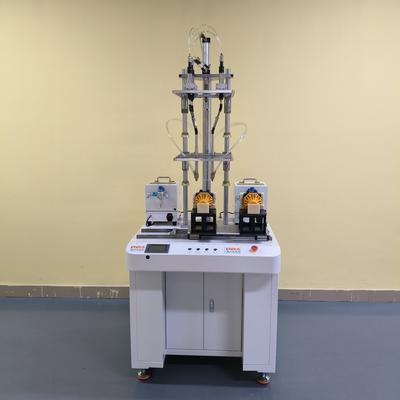
In the fast-paced world of manufacturing, efficiency and precision are paramount. One tool that has revolutionized assembly lines across industries is the automatic screw feeder. These systems are designed to streamline the screwdriving process, offering a multitude of benefits that directly impact productivity, quality, and operational costs. For any company involved in assembly or production, integrating automatic screw feeders is a significant step toward modernizing and optimizing their workflow. First and foremost, automatic screw feeders dramatically increase production speed. Manual screwdriving is a time-consuming and repetitive task prone to human fatigue. Operators must pick up each screw, position it, and drive it in—a process that slows down the entire line. Automatic feeders eliminate these steps by presenting screws correctly oriented and ready to be driven at the push of a button or trigger. This continuous feeding allows operators to focus on placement and activation, cutting cycle times and enabling a much higher output. In high-volume manufacturing environments, this boost in speed is a game-changer, allowing businesses to meet demanding deadlines and scale production effortlessly. Beyond speed, these systems greatly enhance consistency and product quality. Human operators can make mistakes—cross-threading, over-torquing, or under-torquing screws are common issues that lead to product defects, rework, and potential failures. Automatic screw feeders are often integrated with precision electric or pneumatic screwdrivers that apply a pre-set torque consistently for every single screw. This ensures every joint is perfectly fastened according to specifications, drastically reducing the defect rate. The result is a more reliable final product, improved customer satisfaction, and a stronger brand reputation for quality. Another critical advantage is the notable improvement in worker safety and ergonomics. Repetitive strain injuries (RSIs) in the wrists, hands, and shoulders are a significant concern for workers performing manual screwdriving tasks thousands of times a day. Automatic feeders reduce the repetitive motions of picking and positioning screws, minimizing physical strain and the risk of RSIs. This leads to a healthier, more comfortable workforce, lower absenteeism, and reduced costs associated with workplace injuries. Furthermore, it boosts operator morale, as employees can engage in more value-added and less monotonous work. From a cost perspective, the investment in automatic screw feeding technology quickly pays for itself. While there is an initial capital outlay, the returns are substantial. The combination of higher throughput, reduced labor costs per unit, fewer defects requiring rework or scrap, and lower costs from injury-related downtime contributes to a very attractive return on investment (ROI). Additionally, these systems help reduce material waste by ensuring screws are not dropped or lost during handling, contributing to a leaner and more cost-effective operation. Finally, automatic screw feeders offer remarkable flexibility. Modern systems can be configured to handle a wide variety of screw sizes and types, from tiny M1 screws to larger fasteners. They can be mounted on benches, integrated into automated assembly robots, or even used in portable units for larger products. This adaptability makes them suitable for a diverse range of applications, from electronics and automotive assembly to consumer appliances and medical device manufacturing. In conclusion, the benefits of using automatic screw feeders in manufacturing are clear and compelling. They are not merely a convenience but a strategic tool for any business seeking a competitive edge. By delivering unmatched speed, unwavering consistency, enhanced workplace safety, and a strong financial return, automatic screw feeders have become an indispensable component of the modern, efficient, and high-quality manufacturing floor. Product Name Applicable industries Auto Screwdriver Machine Smart Wearables Production
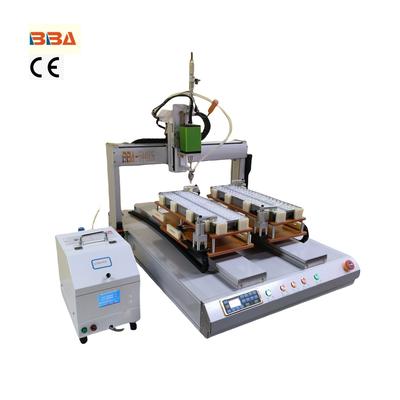
Product Name Applicable industries Servo Screwdriver Robot Electric Bicycle Assembly body { font-family: Arial, sans-serif; line-height: 1.6; margin: 20px; } h2 { color: #2c3e50; } h3 { color: #3498db; margin-top: 20px; } p { margin-bottom: 15px; } ul { margin-bottom: 15px; padding-left: 20px; } li { margin-bottom: 8px; } strong { color: #e74c3c; } How to Train Staff on Screw Tightening Machines Effective training is crucial for maximizing productivity, ensuring product quality, and maintaining a safe working environment when using industrial screw tightening machines. A well-trained operator can significantly reduce error rates, minimize machine downtime, and prevent costly rework. This guide outlines a comprehensive approach to training your staff on these essential pieces of equipment. 1. Foundational Knowledge: The Theory Behind the Tool Before an operator ever touches a machine, they must understand the fundamental principles. Begin with classroom-style sessions covering: The Importance of Precision: Explain how correct torque and angle directly impact product integrity, safety, and performance. Machine Components: Break down the key parts of the screw tightening machine, including the controller, motor, spindle, and tooling. Key Terminology: Ensure everyone is fluent in terms like torque (Nm, lbf-in), angle, yield, and rundown. Clarify the difference between hard joints and soft joints. Error Codes & Diagnostics: Introduce common error messages and their meanings. This empowers operators to understand what the machine is communicating. 2. Hands-On Practical Training Theoretical knowledge must be cemented with practical, supervised experience. This phase should be conducted in a controlled training environment. Machine Setup & Changeover: Train staff on how to safely install and change bits, adjust fixtures, and select the correct program for a specific task. Running a Cycle: Demonstrate the entire process, from placing the component and positioning the tool to initiating the tightening cycle. Emphasize ergonomic handling to prevent strain. Verification and Quality Control: Show operators how to verify a successful tightening cycle using the machine's data output. Introduce them to using manual torque testers for periodic audits. Basic Troubleshooting: Guide them through resolving common issues like cross-threading, missed screws, or error alarms. Teach them the "stop, assess, report" procedure for more complex faults. 3. Emphasizing Safety Above All Else Safety training is non-negotiable. Every operator must be aware of the potential hazards. Personal Protective Equipment (PPE): Mandate and provide safety glasses, hearing protection, and gloves where appropriate. Pinch Points and Ergonomics: Clearly identify all machine pinch points. Train on proper posture and handling techniques to avoid repetitive strain injuries. Emergency Procedures: Ensure everyone knows the location and operation of emergency stop buttons and understands lockout/tagout (LOTO) procedures for maintenance. 4. Leveraging Technology for Enhanced Learning Modern screw tightening machines are data-rich. Use this to your advantage. Data Monitoring: Train supervisors and operators on how to interpret process data and histograms. This turns abstract concepts into visible results, showing the spread of torque values and identifying out-of-spec results. Simulation Mode: Utilize the machine’s simulation or training mode to allow practice without consuming actual components or affecting production statistics. 5. Documentation and Continuous Improvement Training should not be a one-time event. Create a culture of continuous learning. Create Accessible SOPs: Develop clear, visual Standard Operating Procedures (SOPs) that are readily available at the workstation. Certification Program: Implement a formal certification process where operators must demonstrate competency in both theory and practice to be qualified to use the machine independently. Refresher Courses: Schedule periodic refresher training to address bad habits, introduce new features, and reinforce safety protocols. Investing in a structured, multi-stage training program for screw tightening machines is an investment in your company's efficiency, quality, and most importantly, the safety of your workforce. By building a foundation of knowledge, providing ample hands-on practice, and fostering a culture of continuous improvement, you will empower your operators to become proficient and valuable contributors to your production process.
Product Name Applicable industries CNC Screw Fastener PCB and Circuit Board Assembly body { font-family: Arial, sans-serif; line-height: 1.6; color: #333; margin: 20px; } h1 { color: #0056b3; font-size: 28px; margin-bottom: 20px; } h2 { color: #003366; font-size: 22px; margin-top: 25px; margin-bottom: 15px; } p { margin-bottom: 15px; text-align: justify; } ul { margin-bottom: 15px; padding-left: 20px; } li { margin-bottom: 8px; } .highlight { background-color: #f5f5f5; padding: 15px; border-radius: 5px; margin: 20px 0; } Intelligent Feeding Systems for Continuous Fastening In the realm of industrial automation, efficiency and precision are paramount. The advent of Intelligent Feeding Systems has revolutionized the way manufacturing and assembly lines handle continuous fastening processes. These advanced systems are designed to streamline operations, reduce downtime, and enhance overall productivity by ensuring a seamless and reliable supply of fasteners such as screws, bolts, and rivets to automated tools. The Core Technology Behind Intelligent Feeding Intelligent Feeding Systems integrate sophisticated technologies to deliver fasteners with unparalleled accuracy and speed. At the heart of these systems are high-precision vibratory bowls or centrifugal feeders that orient and feed components correctly. Coupled with advanced sensors and vision systems, they can detect and reject defective or misoriented parts in real-time, preventing jams and ensuring only perfect fasteners reach the point of use. Modern systems are equipped with IoT connectivity and data analytics capabilities. This allows for continuous monitoring of feeding performance, predictive maintenance alerts, and remote troubleshooting. By analyzing data on feed rates, jam occurrences, and component quality, these systems can self-optimize, reducing unplanned stoppages and maintenance costs significantly. Key benefits of implementing an Intelligent Feeding System include a dramatic reduction in manual intervention, a decrease in fastener waste, and a substantial improvement in the overall equipment effectiveness (OEE) of the production line. Enhancing Flexibility and Scalability Today's manufacturing demands require systems that are not only efficient but also highly adaptable. Intelligent Feeding Systems are designed with modularity in mind, allowing for quick changeovers between different fastener types and sizes. This flexibility is crucial for production lines that handle high-mix, low-volume batches, enabling manufacturers to respond swiftly to changing market demands without costly retooling or extended downtime. Scalability is another critical advantage. Whether integrated into a single workstation or a complex multi-station assembly cell, these systems can be easily expanded or reconfigured. This ensures that as production volumes grow or new product lines are introduced, the feeding technology can grow accordingly, protecting the initial investment and future-proofing the operation. Driving Quality and Consistency Consistent quality in fastening is non-negotiable for product integrity and safety. Intelligent Feeding Systems play a pivotal role in achieving this by guaranteeing that the right fastener is delivered at the right time and in the correct orientation. This eliminates human error and variability, leading to a dramatic reduction in defects related to missed, cross-threaded, or improperly torqued fasteners. The integration of these systems with smart electric torque tools further enhances quality control. The feeding system can communicate directly with the tool, providing data on the fastener being delivered and confirming its specifications. This closed-loop process ensures every joint is completed to exact engineering specifications, with all data recorded for full traceability and compliance. In conclusion, Intelligent Feeding Systems for continuous fastening are no longer a luxury but a necessity for modern industrial automation. They represent a significant leap forward in creating smarter, more connected, and more efficient manufacturing environments. By investing in this intelligent technology, companies can secure a formidable competitive advantage through superior productivity, unmatched quality, and remarkable operational agility.