8618566785362 8618566785362 8618566785362 phoenix08@bbamachine.com
- All
- Product Name
- Product Keyword
- Product Model
- Product Summary
- Product Description
- Multi Field Search

Views: 0 Author: BBA AUTOMATION Publish Time: 2025-09-24 Origin: BBA AUTOMATION


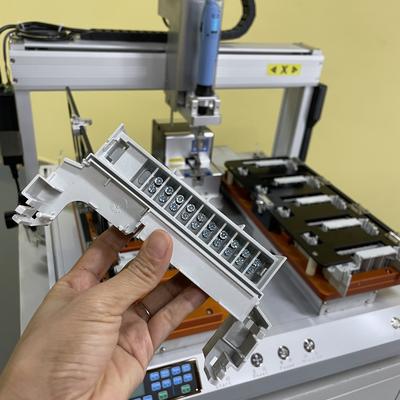
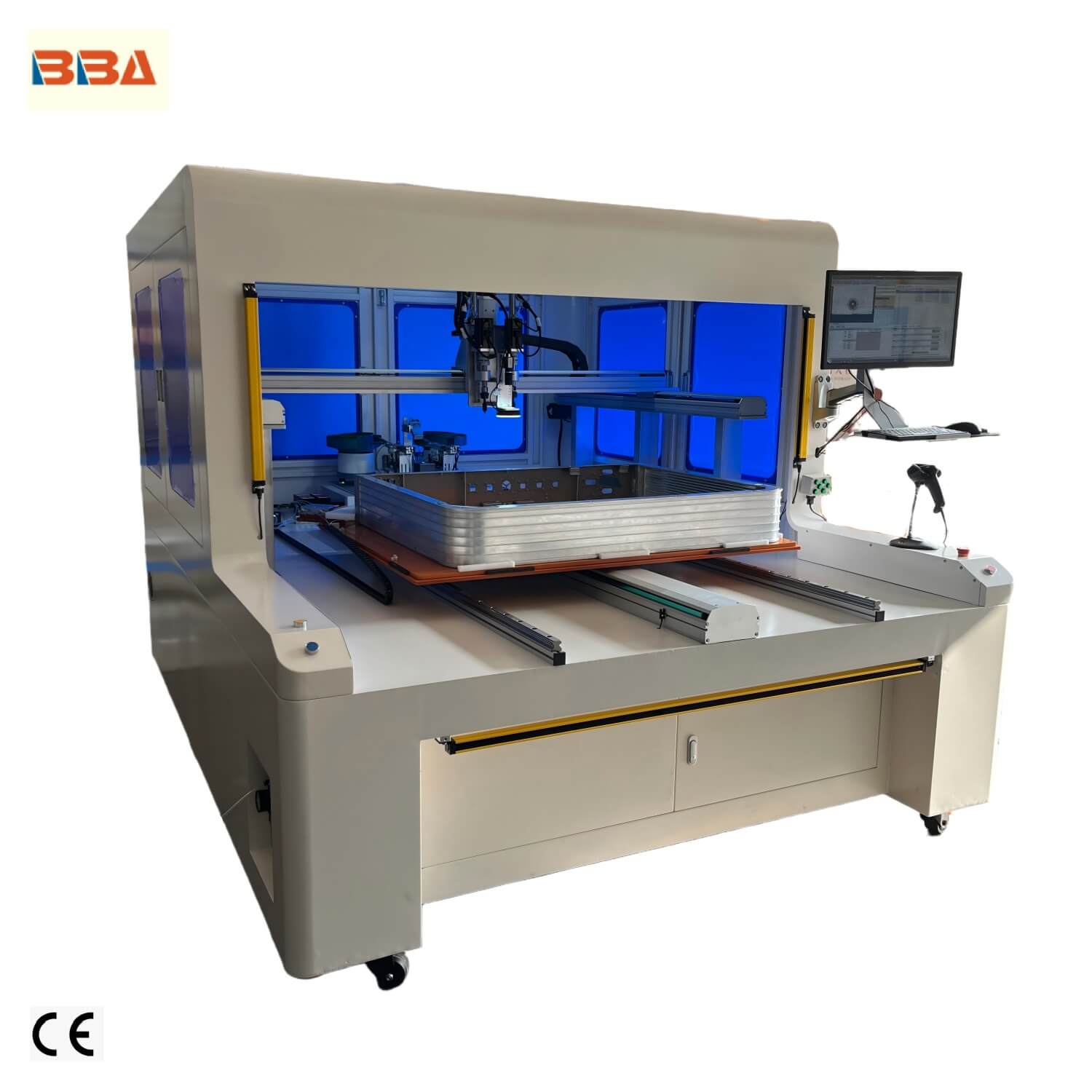
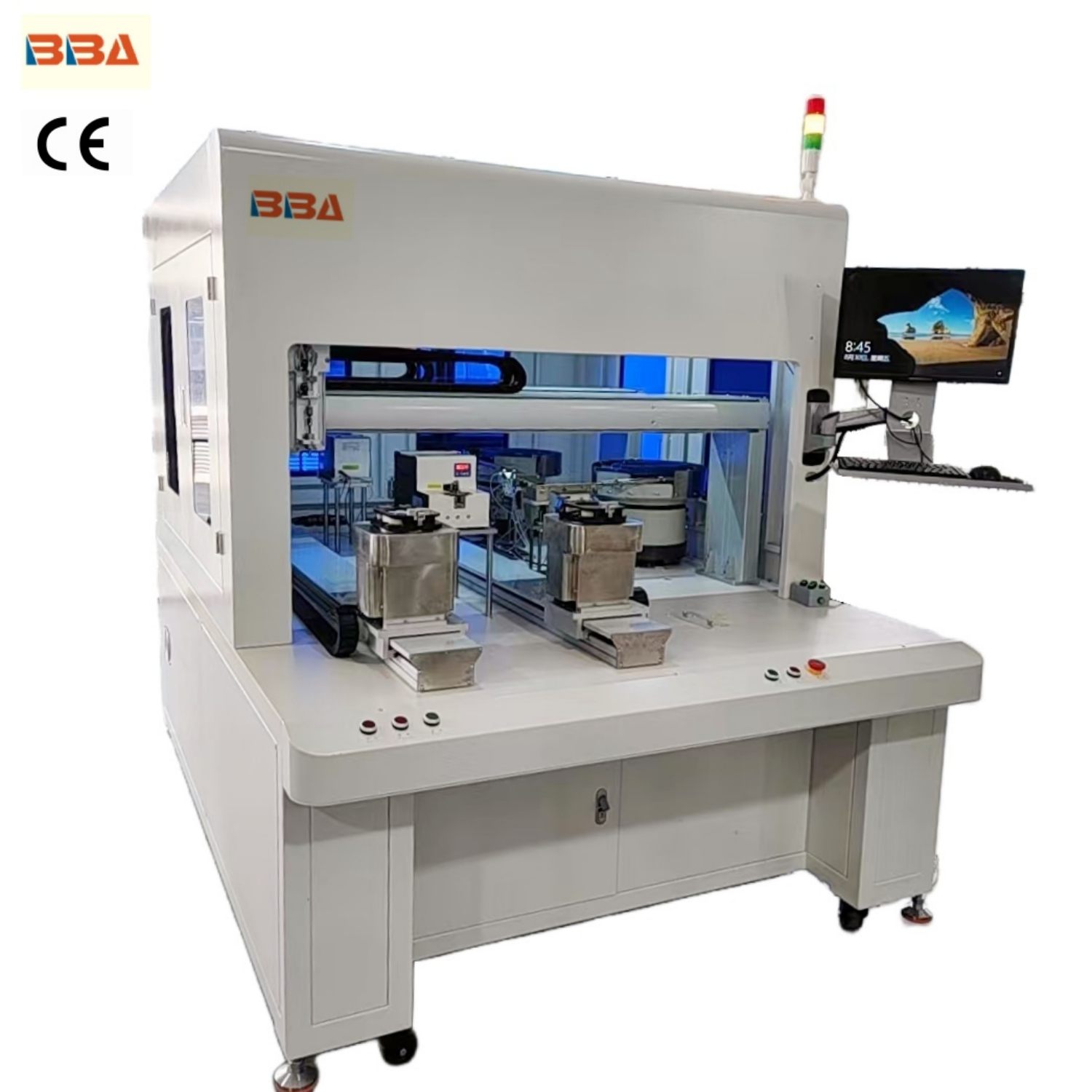
In the fast-paced world of manufacturing, efficiency and precision are paramount. One tool that has revolutionized assembly lines across industries is the automatic screw feeder. These systems are designed to streamline the screwdriving process, offering a multitude of benefits that directly impact productivity, quality, and operational costs. For any company involved in assembly or production, integrating automatic screw feeders is a significant step toward modernizing and optimizing their workflow.
First and foremost, automatic screw feeders dramatically increase production speed. Manual screwdriving is a time-consuming and repetitive task prone to human fatigue. Operators must pick up each screw, position it, and drive it in—a process that slows down the entire line. Automatic feeders eliminate these steps by presenting screws correctly oriented and ready to be driven at the push of a button or trigger. This continuous feeding allows operators to focus on placement and activation, cutting cycle times and enabling a much higher output. In high-volume manufacturing environments, this boost in speed is a game-changer, allowing businesses to meet demanding deadlines and scale production effortlessly.
Beyond speed, these systems greatly enhance consistency and product quality. Human operators can make mistakes—cross-threading, over-torquing, or under-torquing screws are common issues that lead to product defects, rework, and potential failures. Automatic screw feeders are often integrated with precision electric or pneumatic screwdrivers that apply a pre-set torque consistently for every single screw. This ensures every joint is perfectly fastened according to specifications, drastically reducing the defect rate. The result is a more reliable final product, improved customer satisfaction, and a stronger brand reputation for quality.
Another critical advantage is the notable improvement in worker safety and ergonomics. Repetitive strain injuries (RSIs) in the wrists, hands, and shoulders are a significant concern for workers performing manual screwdriving tasks thousands of times a day. Automatic feeders reduce the repetitive motions of picking and positioning screws, minimizing physical strain and the risk of RSIs. This leads to a healthier, more comfortable workforce, lower absenteeism, and reduced costs associated with workplace injuries. Furthermore, it boosts operator morale, as employees can engage in more value-added and less monotonous work.
From a cost perspective, the investment in automatic screw feeding technology quickly pays for itself. While there is an initial capital outlay, the returns are substantial. The combination of higher throughput, reduced labor costs per unit, fewer defects requiring rework or scrap, and lower costs from injury-related downtime contributes to a very attractive return on investment (ROI). Additionally, these systems help reduce material waste by ensuring screws are not dropped or lost during handling, contributing to a leaner and more cost-effective operation.
Finally, automatic screw feeders offer remarkable flexibility. Modern systems can be configured to handle a wide variety of screw sizes and types, from tiny M1 screws to larger fasteners. They can be mounted on benches, integrated into automated assembly robots, or even used in portable units for larger products. This adaptability makes them suitable for a diverse range of applications, from electronics and automotive assembly to consumer appliances and medical device manufacturing.
In conclusion, the benefits of using automatic screw feeders in manufacturing are clear and compelling. They are not merely a convenience but a strategic tool for any business seeking a competitive edge. By delivering unmatched speed, unwavering consistency, enhanced workplace safety, and a strong financial return, automatic screw feeders have become an indispensable component of the modern, efficient, and high-quality manufacturing floor.
| Product Name | Applicable industries |
| Auto Screwdriver Machine | Smart Wearables Production |