8618566785362 8618566785362 8618566785362 phoenix08@bbamachine.com
- All
- Product Name
- Product Keyword
- Product Model
- Product Summary
- Product Description
- Multi Field Search

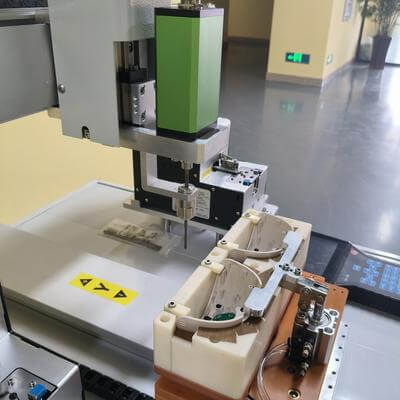
산업 자동화의 세계에서 신뢰성은 가장 중요한 요소입니다. 기계 성능에 영향을 미치는 가장 흔하면서도 종종 간과되는 문제 중 하나는 느슨해진 나사입니다. 진동, 열 사이클링 및 동적 하중으로 인해 패스너가 시간이 지남에 따라 느슨해져 장비 고장, 계획되지 않은 가동 중단 및 안전 위험으로 이어질 수 있습니다. 수동 스레드 잠금이나 기계적 잠금 장치와 같은 전통적인 방법은 시간이 많이 소요되고 일관성이 없습니다. 바로 여기에 나사 잠금 자동화가 혁신적인 해결책을 제공합니다. 나사 잠금 자동화는 정밀 디스펜싱 기술과 고급 로봇 시스템을 통합하여 스레드 잠금 접착제를 정확하고 효율적으로 도포합니다. 이러한 자동화 시스템은 패스너를 식별하고, 정확한 양의 잠금 컴파운드를 적용하며, 필요한 토크로 나사를 조이는 작업을 모두 인간의 개입 없이 수행하도록 설계되었습니다. 프로세스는 각 나사의 위치를 파악하는 비전 시스템이나 센서로 시작됩니다. 그런 다음 로봇 암이 패스너 위에 디스펜서를 위치시키고, 무산소 접착제와 같은 액체 스레드락커를 스레드에 정밀하게 투여합니다. 마지막으로 나사는 사양에 따라 조여져 일관되고 신뢰할 수 있는 잠금을 보장합니다. 자동화의 이점은 상당합니다. 첫째, 인간의 실수를 제거합니다. 수동 적용은 접착제의 과다 또는 과소 사용을 초래하여 인근 구성품을 오염시키거나 나사를 제대로 고정하지 못할 수 있습니다. 자동화 시스템은 매번 동일한 양의 컴파운드를 적용하여 균일성을 보장합니다. 둘째, 생산성을 향상시킵니다. 로봇은 고속으로 작업하여 시간당 수백 개의 나사를 처리할 수 있어 조립 시간과 노동 비용을 줄입니다. 셋째, 품질 관리가 개선됩니다. 통합된 센서는 접착제가 도포되었는지와 나사가 올바르게 조여졌는지를 확인하고, 추적 가능성과 규정 준수를 위한 데이터를 기록할 수 있습니다. 나사 잠금 자동화를 구현하려면 신중한 계획이 필요합니다. 시스템은 특정 패스너, 접착제 및 생산 환경에 맞게 조정되어야 합니다. 예를 들어, 향후 조정이 필요한 나사에는 저강도 스레드락커가 사용될 수 있는 반면, 영구적인 고정에는 고강도 제형이 적합합니다. 자동화 장비는 또한 모듈식 설계를 통해 기존 조립 라인과 호환되어야 하는 경우가 많습니다. 시스템을 운영하고 유지보수하기 위해 유지보수 직원을 교육하는 것은 장기적인 성공에至关重要합니다. 제조업을 넘어 자동차, 항공우주 및 전자와 같은 산업도 이 기술로 큰 이점을 얻습니다. 각 유닛에 수천 개의 나사가 사용되는 자동차 조립에서는 자동화가 엔진 구성품, 브레이크 및 내부 고정 장치가 극한의 조건下에서도 안전하게 유지되도록 보장합니다. 안전이 최우선인 항공우주 분야에서는 자동화된 나사 잠금이 비행 중 진동으로 인한 고장을 방지합니다. 전자 제조업체는 수동 취급으로 인한 손상 위험 없이 섬세한 구성품을 고정하는 데 이를 사용합니다. 산업 자동화가 발전함에 따라 나사 잠금 시스템은 더욱 스마트해지고 있습니다. 머신 러닝 알고리즘은 과거 데이터를 기반으로 접착제 디스펜싱을 최적화할 수 있으며, IoT 연결을 통해 실시간 모니터링 및 예측 정비가 가능합니다. 이러한 발전은 느슨해진 나사를 고정할 뿐만 아니라 애초에 문제가 되는 것을 방지합니다. 신뢰성과 효율성을 높이려는 기업에게 나사 잠금 자동화는 더 이상 선택이 아닌 필수 사항입니다. 제품 이름 적용 가능한 산업 스마트 나사 체결기 통신 장비 조립

body { font-family: Arial, sans-serif; line-height: 1.6; color: #333; margin: 20px; } h1 { color: #2c3e50; font-size: 28px; margin-bottom: 20px; } h2 { color: #34495e; font-size: 22px; margin-top: 25px; margin-bottom: 15px; } p { margin-bottom: 15px; text-align: justify; } ul { margin-bottom: 15px; padding-left: 20px; } li { margin-bottom: 8px; } strong { color: #16a085; } 로봇 스크류 드라이버에 대한 고객 피드백 급변하는 산업 자동화 분야에서 고객의 의견을 듣는 것은 우리 혁신 프로세스의 핵심입니다. 지난 한 해 동안 전자 제품 제조, 자동차 조립, 소비재 생산 등 다양한 산업에서 우리의 첨단 로봇 스크류 드라이버 사용자들로부터 광범위한 피드백을 수집했습니다. 이 직접적인 의견은 생산 현장에서 직면하는 실제적인 과제를 더 잘 이해하고 제품을 개선하는 데 귀중한 자료가 되었습니다. 사용자 경험의 주요 하이라이트 많은 고객들이 우리 로봇 스크류 드라이버를 도입한 후 조립 라인 효율성의 상당한 개선을 강조했습니다. 반복적으로 언급되는 주제는 작업 시간 단축입니다. 사용자들은 우리 드라이버의 정밀도와 속도로 인해 일부 경우 조립 사이클이 최대 30%까지 단축되어 품질을 저하시키지 않으면서 더 높은 생산량을 달성할 수 있었다고 보고합니다. 토크 적용의 일관성도 인간 오류를 제거하고 모든 나사가 정확한 사양으로 체결되도록 보장하여 칭찬을 받았습니다. 자주 언급되는 또 다른 이점은 쉬운 통합입니다. 우리 고객들은 시스템이 기존 생산 설정과 원활하게 작동하도록 설계된 점을 높이 평가합니다. 사용자 친화적인 인터페이스와 프로그래밍 가능한 설정으로 운영자는 최소한의 교육으로 빠르게 적응하고 작업을 관리할 수 있습니다. 이는 큰 차질이나 가파른 학습 곡선 없이 자동화를 원하는 기업들에게 특히 유익했습니다. 향상 필요한 분야 피드백이 압도적으로 긍정적이었지만, 일부 사용자는 개선을 위한 건설적인 제안을 제공했습니다. 일반적인 요청은 다양한 스크류 유형과 크기를 처리하는 데 있어 더 큰 유연성이었습니다. 이에 대응하여 우리 엔지니어링 팀은 더 넓은 범위의 패스너를 수용하기 위해 향상된 적응성과 더 스마트한 인식 기능을 갖춘 차세대 모델을 이미 개발 중입니다. 또한, 여러 고객들이 더 상세한 분석 및 보고 기능에 대한 욕구를 언급했습니다. 그들은 오류율 및 유지보수 알림과 같은 성능 지표에 대한 더 깊은 통찰력을 통해 프로세스를 더욱 최적화하고 싶어 합니다. 우리는 이러한 의견을 진지하게 받아들이고 더 포괄적인 운영 인텔리전스를 제공하기 위해 향후 소프트웨어 업데이트에 고급 데이터 분석을 통합하고 있습니다. 제품 개발에 미치는 영향 이 지속적인 피드백 흐름은 직접적으로 우리의 로드맵을 형성하고 있습니다. 예를 들어, 사용자 보고서를 바탕으로 고빈도 사용되는 구성 요소의 내구성 향상에 큰 진전을 이루었습니다. 또한 일부 운영자들이 이전 모델을 조용한 조립 환경에서 너무 방해가 된다고 느꼈다는 점을 알아낸 후 소음 감소 기능도 개선했습니다. 뿐만 아니라, 우리의 고객 지원 및 서비스에 대한 긍정적인 언급은 탁월한 애프터 서비스 제공에 대한 우리의 약속을 강화해 주었습니다. 그러나 기술 문의에 대한 더 빠른 응답 시간에 대한 의견도 지원 팀을 확장하고 더 효율적인 티켓 시스템을 구현하여 해결하고 있습니다. 전망 고객의 목소리는 혁신을 주도하는 데 중요한 역할을 합니다. 우리는 정기적으로 받는 정직하고 상세한 피드백에 감사드립니다. 이것은 현재 제품을 개선하는 데 도움을 줄 뿐만 아니라 미래 산업 needs를 예측하는 새로운 기능과 솔루션에 영감을 줍니다. 우리는 신뢰성, 효율성 및 사용자 만족도에 새로운 기준을 설정하기 위해 로봇 스크류 드라이버를 진화시키기 위해 최선을 다하고 있습니다. 우리는 모든 사용자들이 계속해서 그들의 경험을 우리와 공유하도록 권장합니다. 함께 우리는 자동화가 성취할 수 있는 경계를 계속해서 넓혀나갈 수 있습니다. 제품 이름 적용 산업 서보 스크류드라이버 로봇 전기 자전거 조립
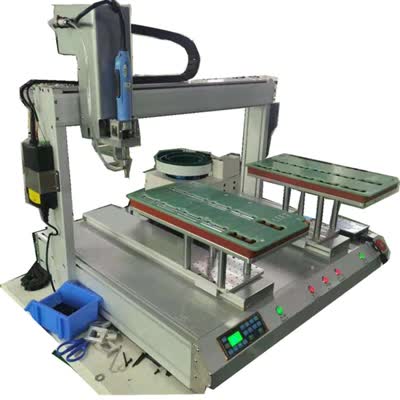
body { font-family: Arial, sans-serif; line-height: 1.6; margin: 20px; color: #333; } h1 { color: #0056b3; font-size: 28px; margin-bottom: 20px; } h2 { color: #004a99; font-size: 22px; margin-top: 25px; margin-bottom: 15px; } p { margin-bottom: 15px; text-align: justify; } ul { margin-bottom: 15px; } li { margin-bottom: 8px; } strong { color: #004a99; } 정밀 체결 기술을 활용한 휴대폰 생산 휴대폰 제조는 매우 정밀성을 요구하는 복잡한 공정으로, 특히 조립 단계에서 미세한 오차도 심각한 성능 문제로 이어질 수 있습니다. 이 과정에서 중요한 측면 중 하나는 정밀 체결—정확한 토크와 정렬 사양으로 구성품을 안전하게 결합하는 기술입니다. 이 기술은 모든 나사, 볼트 및 패스너가 정확하게 배치되어 기기의 구조적 무결성과 기능성을 유지하도록 보장합니다. 휴대폰 조립에서 정밀 체결의 역할 휴대폰 생산에서 정밀 체결 시스템은 섀시, 회로 기판, 카메라, 디스플레이 등 다양한 구성품을 조립하는 데 사용됩니다. 이러한 시스템은 일관된 토크를 적용하고 실시간으로 나사 경교 또는 정렬 불량을 감지하는 고급 자동화 도구를 사용합니다. 예를 들어, 스마트폰의 메인 로직 보드를 설치할 때는 정확한 사양으로 나사를 조여야 섬세한 회로를 손상시키거나 연결 불량을 발생시키지 않습니다. 자동화 체결 솔루션은 반복 가능한 정확도로 이를 달성하여 결함 위험을 줄이고 제품 신뢰성을 향상시킵니다. 자동화 정밀 체결의 이점 휴대폰 제조에 자동화 정밀 체결을 도입하면 다음과 같은 주요 이점을 얻을 수 있습니다: 향상된 제품 품질: 일관된 토크 적용은 과도한 조임 또는 부족한 조임을 방지하여 구성품에 스트레스를 주거나 시간이 지남에 따라 느슨해지는 것을 방지합니다. 이는 더 높은 내구성과 고객 만족도로 이어집니다. 생산 속도 증가: 자동화 시스템은 높은 속도로 작동하여 수동 체결에 비해 사이클 시간을 크게 단축합니다. 이러한 효율성은 휴대폰 산업의 높은 수요를 충족하는 데 중요합니다. 오류율 감소: 내장된 센서와 피드백 메커니즘으로 이러한 시스템은 오류를 즉시 식별하고 수정하여 재작업 및 폐기율을 최소화합니다. 이는 생산 비용과 폐기물을 줄여줍니다. 확장성과 유연성: 현대의 정밀 체결 솔루션은 기존 조립 라인에 통합되고 다양한 폰 모델에 적용될 수 있어 여러 제품 변형을 생산하는 제조업체에 이상적입니다. 체결 기술의 혁신 정밀 체결의 최근 발전에는 IoT와 데이터 분석 기능의 통합이 포함됩니다. 스마트 체결 도구는 이제 토크, 각도 및 순서에 대한 실시간 데이터를 수집하여 제조업체가 조립 품질을 모니터링하고 유지보수 필요성을 예측할 수 있도록 합니다. 이러한 데이터 중심 접근 방식은 생산 공정의 지속적인 개선을 가능하게 하고 글로벌 제조 시설 전반에 걸쳐 일관성을 유지하는 데 도움이 됩니다. 또한, 비전 지원 시스템은 카메라와 센서를 사용하여 체결 도구를 안내하여 현대 스마트폰에서 흔히 볼 수 있는 소형화된 구성품에서도 완벽한 정렬을 보장합니다. 미래 동향 휴대폰이 더욱 컴팩트하고 복잡해짐에 따라 정밀 체결에 대한 수요는 계속 성장할 것입니다. 미래 개발에는 좁은 공간에서 작업할 수 있는 더 작고 민첩한 체결 로봇과 역사적 데이터를 기반으로 자체 최적화하는 AI 기반 시스템이 포함될 수 있습니다. 지속 가능성도 역할을 할 것이며, 체결 공정에서 에너지 소비와材料 폐기물을 줄이기 위한 노력이 있을 것입니다. 이러한 혁신은 정밀 체결을 고품질 휴대폰 제조의 초석으로 더욱 확고히 할 것입니다. 결론적으로, 정밀 체결은 신뢰할 수 있고 고성능의 휴대폰 생산에 필수적입니다. 자동화 솔루션을 활용함으로써 제조업체는 더 큰 정확성, 효율성 및 확장성을 달성하여 전 세계 소비자에게 더 나은 제품을 제공할 수 있습니다. 제품 이름 적용 산업 듀얼 헤드 스크루드라이버 전기 자전거 조립
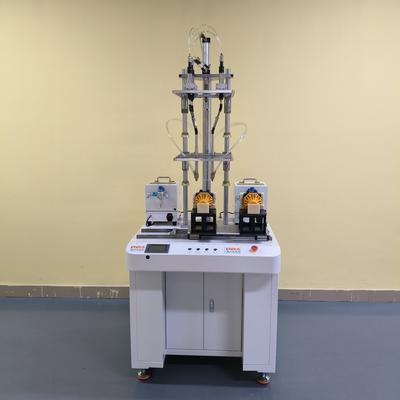
Product Name Applicable industries Automatic Screw Feeder Automotive Electronics Assembly body { font-family: Arial, sans-serif; line-height: 1.6; margin: 20px; color: #333; } h1 { color: #2c3e50; font-size: 28px; margin-bottom: 15px; } h2 { color: #34495e; font-size: 22px; margin-top: 25px; margin-bottom: 10px; } p { margin-bottom: 15px; text-align: justify; } ul { margin-bottom: 15px; margin-left: 20px; } li { margin-bottom: 8px; } strong { color: #16a085; } Servo Motor Life Cycle and Preventive Maintenance Servo motors are the workhorses of modern industrial automation, providing the precise control and high torque necessary for a vast range of applications, from robotics to CNC machining. Understanding their life cycle and implementing a robust preventive maintenance program is crucial for maximizing productivity, minimizing unplanned downtime, and protecting your capital investment. A well-maintained servo motor can operate reliably for thousands of hours, but its lifespan is ultimately determined by operating conditions and the care it receives. Understanding the Servo Motor Life Cycle The life cycle of a servo motor is typically defined by the health of its two most critical components: the bearings and the windings. Under ideal conditions, a servo motor can operate for 15,000 to 30,000 hours or more. The primary failure point is often the bearings, which degrade over time due to mechanical wear, lubrication breakdown, and contamination. The insulating materials on the motor windings are another key factor. They can deteriorate due to excessive heat, voltage spikes, and environmental contaminants like moisture and dust, leading to insulation failure and short circuits. Several external factors significantly influence this life cycle. Operating temperature is paramount; for every 10°C rise above the motor's rated temperature, the insulation life can be halved. Vibration, whether from the motor itself or the driven load, accelerates bearing wear and can loosen electrical connections. Environmental contaminants such as oil, coolant, metal chips, and dust can compromise lubrication and insulation. Finally, proper alignment and balancing are essential, as misalignment places undue stress on bearings and the motor shaft, leading to premature failure. Key Preventive Maintenance Strategies A proactive approach to maintenance is far more cost-effective than reactive repairs. A comprehensive preventive maintenance plan should include the following key strategies: Regular Inspection and Cleaning: Schedule periodic visual inspections for signs of wear, damage, or contamination. Keep the motor housing and cooling fins clean and free of debris to ensure optimal heat dissipation. Check all electrical connections for tightness to prevent arcing and voltage drops. Bearing Maintenance: For motors with grease fittings, follow the manufacturer's guidelines for regreasing intervals and the correct type of grease to use. Over-greasing can be as harmful as under-greasing. Monitor bearings for unusual noise or excessive vibration, which are early indicators of wear. Vibration Analysis: Implement a routine vibration monitoring program. Trend analysis can detect imbalances, misalignment, or bearing defects at an early stage, allowing for planned corrective action before catastrophic failure occurs. Thermal Monitoring: Use thermal imaging cameras or temperature sensors to monitor operating temperatures. Unexpected hot spots can indicate problems with cooling, overloading, or electrical issues within the windings or connections. Electrical Testing: Periodically perform electrical tests, such as insulation resistance (megger) tests, to assess the health of the motor windings. This test can detect insulation degradation caused by moisture, contamination, or aging before it leads to a complete failure. Benefits of a Proactive Approach Investing in a structured preventive maintenance program delivers substantial returns. It dramatically reduces the risk of unexpected production halts, ensuring higher overall equipment effectiveness (OEE). Catching issues early allows for repairs to be planned and scheduled during non-production times, avoiding expensive emergency service calls and replacement costs. Furthermore, well-maintained motors operate more efficiently, consuming less energy and providing more consistent performance, which directly improves product quality and throughput. By understanding the factors that influence servo motor longevity and committing to a disciplined regimen of inspection, testing, and care, you can significantly extend the operational life of these critical assets, ensuring they continue to drive your automation with precision and reliability for years to come.

body { font-family: Arial, sans-serif; line-height: 1.6; color: #333; max-width: 800px; margin: 0 auto; padding: 20px; } h1 { color: #1a5276; font-size: 28px; margin-bottom: 20px; } p { margin-bottom: 15px; text-align: justify; } .highlight { background-color: #f9f9f9; padding: 15px; border-left: 4px solid #1a5276; margin: 20px 0; } Robotics and Fastening Automation in the Future The landscape of industrial automation is evolving at an unprecedented pace, and at the heart of this transformation are robotics and fastening automation technologies. These innovations are not only redefining manufacturing processes but also setting new standards for efficiency, precision, and scalability. As we look toward the future, it is clear that the integration of advanced robotics with intelligent fastening systems will play a pivotal role in shaping the next generation of industrial automation. Robotics has already made significant strides in various industries, from automotive to electronics, by performing repetitive tasks with unmatched accuracy and speed. However, the future lies in the synergy between robotics and fastening automation. Fastening, though seemingly simple, is a critical step in assembly lines. Traditional methods often involve manual labor, which can be time-consuming and prone to errors. With the advent of automated fastening solutions, manufacturers can now achieve consistent quality, reduce operational costs, and enhance overall productivity. One of the most exciting developments is the emergence of collaborative robots, or cobots, designed to work alongside human operators. These cobots are equipped with sophisticated sensors and vision systems that allow them to handle complex fastening tasks with minimal human intervention. For instance, they can adapt to variations in part sizes or orientations, ensuring that every fastener is applied correctly. This level of flexibility is crucial for modern manufacturing, where customisation and quick changeovers are increasingly in demand. Moreover, the integration of Internet of Things (IoT) technologies with fastening automation is set to revolutionise the industry. Smart fastening tools can now collect and analyse data in real-time, providing valuable insights into the assembly process. This data-driven approach enables predictive maintenance, reduces downtime, and ensures that every product meets stringent quality standards. For example, if a fastener is under-torqued or over-torqued, the system can immediately flag the issue and make necessary adjustments, preventing potential defects down the line. Another key trend is the use of artificial intelligence (AI) and machine learning in robotics. AI algorithms can optimise fastening sequences, predict potential failures, and even learn from past operations to improve future performance. This not only enhances efficiency but also allows systems to become more autonomous over time. Imagine a robotic cell that can self-calibrate, self-diagnose, and continuously refine its processes without human input—this is the direction in which the industry is heading. As we move forward, sustainability will also be a major driver for innovation. Energy-efficient robots and fastening systems that minimise waste and reduce environmental impact will become increasingly important. For instance, electric fastening tools consume less power compared to their pneumatic counterparts, while advanced control systems ensure that materials are used optimally. This focus on sustainability aligns with global efforts to create greener manufacturing practices. In conclusion, the future of robotics and fastening automation is bright and full of potential. By leveraging technologies such as cobots, IoT, AI, and sustainable design, manufacturers can build smarter, more responsive, and more efficient production environments. These advancements will not only streamline operations but also open doors to new possibilities, from mass customisation to fully autonomous factories. As industry leaders, we are committed to driving this evolution and helping our customers stay ahead in a competitive market. Product Name Applicable industries Inline Screw Locking System Medical Device Manufacturing
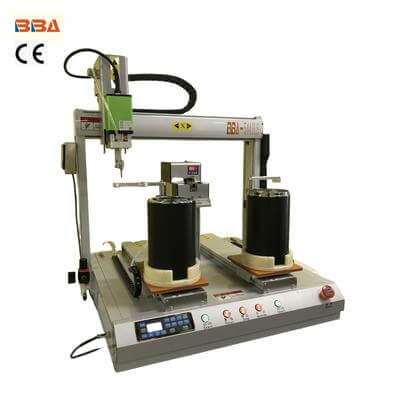
Product Name Applicable industries Servo Screwdriver Robot Telecommunication Equipment Assembly body { font-family: Arial, sans-serif; line-height: 1.6; margin: 20px; color: #333; } h1 { color: #2c3e50; font-size: 28px; margin-bottom: 20px; } h2 { color: #34495e; font-size: 22px; margin-top: 25px; margin-bottom: 15px; } p { margin-bottom: 15px; text-align: justify; } strong { color: #16a085; } ul { margin-top: 10px; margin-bottom: 15px; padding-left: 20px; } li { margin-bottom: 8px; } Operator Training for Servo-Based Screw Machines In today's rapidly evolving industrial landscape, the adoption of advanced automation technologies like servo-based screw machines has become a cornerstone for enhancing productivity, precision, and efficiency. These sophisticated systems represent a significant leap forward from traditional pneumatic or mechanical fastening equipment, offering unparalleled control over the tightening process. However, the full potential of these high-performance machines can only be realized through comprehensive and effective operator training. Without a properly trained workforce, even the most advanced technology risks being underutilized or, worse, becoming a source of costly errors and downtime. The Critical Role of the Operator Modern servo-based screw machines are engineered for exceptional accuracy, often featuring programmable torque, angle, and speed settings. They provide real-time data feedback and traceability, which is crucial for quality control in industries such as automotive, electronics, and aerospace. While these machines automate the physical process, the human operator remains an indispensable part of the production cell. The operator is responsible for setup, changeover, routine monitoring, and first-line troubleshooting. Their ability to understand the machine's interface, interpret data outputs, and respond appropriately to alerts is fundamental to maintaining a smooth and uninterrupted workflow. Key Components of an Effective Training Program Developing a robust training curriculum for operators is not merely about teaching them which buttons to press. It involves building a deep conceptual understanding of the technology and fostering problem-solving skills. Fundamental Principles: Training should begin with the core principles of servo technology. Operators need to grasp concepts like torque control, angle monitoring, and the importance of a properly calibrated system. Understanding the "why" behind the process helps in recognizing out-of-specification results. Hands-On Machine Operation: Theoretical knowledge must be solidified with extensive hands-on practice. This includes performing machine setup for different products, loading fastening programs, conducting tool calibration, and executing changeovers efficiently. Simulating production runs allows operators to gain confidence in a controlled environment. Data Interpretation and Analysis: One of the biggest advantages of servo-based systems is data generation. Operators must be trained to read and interpret process windows, torque-angle graphs, and statistical output. They should be able to identify trends that indicate potential issues, such as cross-threading, stripped screws, or tool wear, before they lead to a major defect or stoppage. Basic Troubleshooting and Maintenance: Equipping operators with foundational troubleshooting skills empowers them to address common issues without always relying on a maintenance technician. This includes clearing jams, replacing driver bits, identifying error codes, and performing basic preventive maintenance tasks like cleaning and lubrication. Safety Protocols: Safety is paramount. Training must emphasize lockout-tagout (LOTO) procedures, safe machine guarding practices, and the specific hazards associated with automated fastening systems to ensure a secure working environment. Building a Culture of Continuous Improvement Operator training should not be a one-time event. As software is updated and new features are introduced, refresher courses and advanced training modules are essential. Encouraging operators to provide feedback on the process can also lead to valuable insights and improvements. When operators are viewed as knowledgeable partners in the production process, rather than just button-pushers, they become a powerful asset for driving quality and efficiency. Investing in their skillset fosters a culture of continuous improvement and operational excellence, ensuring that your investment in servo-based automation delivers maximum return and sustains a competitive advantage in the market.
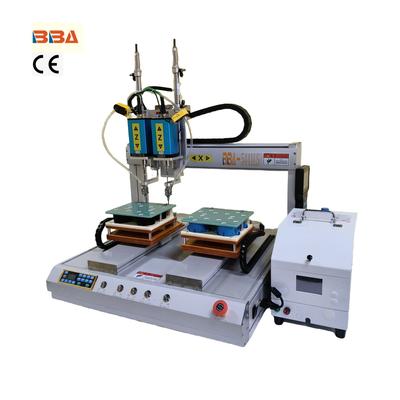
Product Name Applicable industries Servo Screwdriver Robot Toy and Game Console Production body { font-family: Arial, sans-serif; line-height: 1.6; margin: 20px; color: #333; } h1 { color: #2c3e50; font-size: 28px; margin-bottom: 10px; } h2 { color: #34495e; font-size: 22px; margin-top: 20px; margin-bottom: 10px; } p { margin-bottom: 15px; text-align: justify; } ul { margin-bottom: 15px; padding-left: 20px; } li { margin-bottom: 8px; } .highlight { background-color: #f8f9fa; padding: 15px; border-radius: 5px; margin: 15px 0; } Servo-Based Screw Driving in Home Appliance Manufacturing The manufacturing of home appliances demands unparalleled precision, repeatability, and efficiency. As products become more complex and consumer expectations for quality rise, traditional assembly methods are increasingly falling short. In this high-stakes environment, servo-based screw driving technology has emerged as a transformative solution, redefining assembly lines with its intelligent and data-driven capabilities. The Technology Behind Servo-Driven Automation Unlike pneumatic or standard electric drivers, servo-based systems utilize sophisticated servo motors for precise control over every aspect of the fastening process. This provides complete command over rotational speed, torque, and angle. The system can be programmed to follow exact, multi-stage tightening patterns—such as a specific RPM for seating a screw followed by a precise angle rotation for final tightening. This eliminates the guesswork and variability inherent in older methods, ensuring every screw is driven to its exact specification, every single time. Key Advantages for Appliance Production The implementation of servo-driven screwdriving brings a multitude of benefits directly to the appliance manufacturing floor: Unmatched Quality Control: The system monitors and records torque and angle data for every screw, creating a verifiable audit trail for each product unit. This allows for 100% quality inspection and immediate error detection, preventing defective units from proceeding down the line and significantly reducing warranty claims. Enhanced Flexibility and Scalability: One servo system can be programmed with numerous recipes for different screw types and sizes across various appliance models. This eliminates the need for costly changeovers and tooling adjustments, making production lines highly adaptable to meet changing market demands. Increased Operational Efficiency: By drastically reducing defective assemblies and line stoppages for adjustments, overall equipment effectiveness (OEE) sees a substantial boost. The automation of the process also minimizes physical strain on workers, allowing them to focus on more complex value-added tasks. Reduced Physical Damage: Precise torque control is crucial for avoiding damage to delicate plastic housings, brittle components, and threaded inserts—a common and costly issue in appliance assembly. Servo systems apply exactly the force needed, nothing more, preserving product integrity. The ability to collect and analyze data from every fastening operation transforms the assembly line from a mere production unit into a source of critical business intelligence, driving continuous improvement and strategic decision-making. Applications Across the Appliance Industry This technology is versatile enough to handle the diverse needs of the sector. Common applications include the assembly of sensitive electronic control boards within ovens and washing machines, where consistent torque is non-negotiable. It is also ideal for securing the outer panels and back plates of refrigerators and dishwashers, ensuring a perfect fit and finish that enhances product aesthetics. Furthermore, it is indispensable for attaching internal components like motors and compressors, where a failure could lead to catastrophic product failure. The Future of Smart Manufacturing Servo-based screw driving is a cornerstone of Industry 4.0. Its inherent connectivity allows it to integrate seamlessly with factory-wide Manufacturing Execution Systems (MES). This enables real-time monitoring of production metrics, predictive maintenance alerts, and seamless traceability from a single screw back to raw materials. As we move towards fully connected smart factories, this level of data integration and process control will become the standard, not the exception. For home appliance manufacturers looking to gain a competitive edge, investing in servo-based screw driving technology is a strategic imperative. It is more than just an improvement in tooling; it is a comprehensive upgrade that enhances quality, boosts efficiency, and paves the way for the intelligent, data-driven factory of the future.
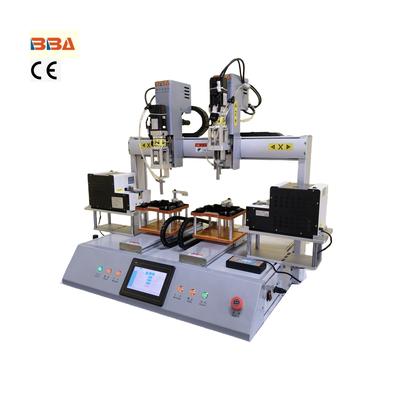
body { font-family: Arial, sans-serif; line-height: 1.6; color: #333; } h2 { color: #0056b3; } strong { color: #0056b3; } 가격 범위 및 비용에 영향을 미치는 요소 산업 자동화 제품의 비용 구조를 이해하는 것은 시스템을 통합하거나 업그레이드하려는 기업에게 중요합니다. 이러한 제품의 가격 범위는 기본 센서의 경우 몇 백 달러에서 완전히 통합된 자동화 라인의 경우 수십만 달러까지 크게 달라질 수 있습니다. 이러한 비용에 영향을 미치는 몇 가지 주요 요소를 인식하면 정보에 입각한 구매 결정을 내리는 데 도움이 될 수 있습니다. 가격에 영향을 미치는 주요 요소 중 하나는 제품의 복잡성과 성능입니다. 광전 센서와 같은 간단한 독립형 장치는 상대적으로 낮은 비용이 들지만, 정교한 프로그래머블 로직 컨트롤러(PLC) 또는 고급 비전 시스템과 정밀 메커니즘을 갖춘 로봇 암은 훨씬 더 높은 가격을 요구할 것입니다. 기능 수준, 처리 능력 및 I/O 포인트 수는 비용과 직접적으로 연관됩니다. 또 다른 중요한 비용 요인은 필요한 맞춤화 정도입니다. 기성품, 표준 제품은 일반적으로 가장 비용 효율적인 옵션입니다. 그러나 많은 산업 응용 분야에서는 특정 운영 요구 사항을 충족하기 위해 맞춤형 솔루션이 필요합니다. 맞춤형 엔지니어링, 특수 소프트웨어 프로그래밍 및 고유한 기계적 설계는 상당한 개발 시간과 리소스를 추가하여 전체 제품 비용을 증가시킵니다. 내부적으로 사용되는 기술 및 구성 요소도 주요 역할을 합니다. 가혹한 환경(극한 온도, 습도, 진동)을 위해 설계된 고급 산업 등급 구성 요소로 제작된 제품은 상용 등급 부품을 사용하는 제품보다 더 비쌉니다. 더욱이 AI 기반 예측 유지보수, Industry 4.0을 위한 IoT 연결성 또는 고급 안전 프로토콜과 같은 최첨단 기술을 통합하면 연구, 개발 및 제조 비용이 추가됩니다. 브랜드 평판과 지원은 무형이지만 중요한 요소입니다. 잘 알려진 브랜드는 입증된 신뢰성 기록, 광범위한 품질 관리 프로세스 및 글로벌 지원 네트워크로 인해 제품 가격을 더 높게 책정하는 경우가 많습니다. 브랜드 자산에 대한 이러한 투자는 고객이 단순히 제품뿐만 아니라 안심감, 포괄적인 보증 및 접근 가능한 기술 지원을 받도록 보장하여 장기적으로 가동 중단 비용을 줄일 수 있습니다. 마지막으로, 배포 규모는 단위 비용에 영향을 미칩니다. 단일 장치를 구매하는 것은 대량으로 구매하는 것보다 단위당 훨씬 더 비쌉니다. 대규모 자동화 프로젝트의 경우 제조업체는 종종 상당한 할인을 제공합니다. 또한 유지보수, 에너지 소비 및 기존 시스템과의 통합 용이성을 포함한 장기 수명 주기 비용은 총 소유 비용을 이해하기 위해 초기 구매 가격과 함께 고려해야 합니다. 결론적으로, 산업 자동화 제품의 가격은 임의적이지 않으며 기술 사양, 맞춤화, 구성 요소 품질, 브랜드 가치 및 구매 규모의 조합에 의해 형성됩니다. 이러한 요소를 특정 운영 요구 사항 및 장기 목표에 대해 신중하게 평가함으로써 기업은 최고의 가치와 투자 수익을 제공하는 자동화 솔루션에 전략적으로 투자할 수 있습니다. 제품 이름 적용 산업 듀얼 헤드 스크루드라이버 의료 기기 제조