8618566785362 8618566785362 8618566785362 phoenix08@bbamachine.com
- All
- Product Name
- Product Keyword
- Product Model
- Product Summary
- Product Description
- Multi Field Search
Views: 0 Author: BBA AUTOMATION Publish Time: 2025-09-20 Origin: BBA AUTOMATION


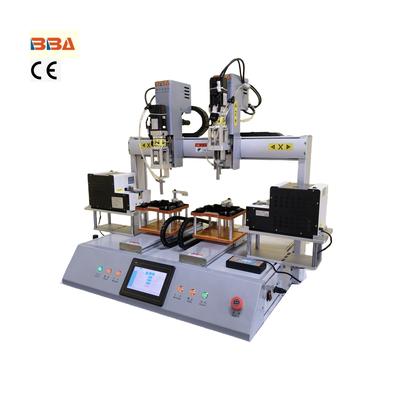
Understanding the cost structure of industrial automation products is crucial for businesses planning to integrate or upgrade their systems. The price range for these products can vary significantly, from a few hundred dollars for a basic sensor to hundreds of thousands for a fully integrated automated line. Several key factors influence these costs, and being aware of them can help in making informed purchasing decisions.
One of the primary factors affecting the price is the complexity and capability of the product. A simple, standalone device like a photoelectric sensor will have a relatively low cost, while a sophisticated programmable logic controller (PLC) or a robotic arm with advanced vision systems and precision mechanics will command a much higher price. The level of functionality, processing power, and the number of I/O points directly correlate with the cost.
Another significant cost driver is the degree of customization required. Off-the-shelf, standard products are typically the most cost-effective option. However, many industrial applications require tailored solutions to meet specific operational needs. Custom engineering, specialized software programming, and unique mechanical designs add considerable development time and resources, which increases the overall product cost.
The technology and components used internally also play a major role. Products built with high-grade, industrial-rated components designed for harsh environments (extreme temperatures, humidity, vibration) are more expensive than those using commercial-grade parts. Furthermore, incorporating cutting-edge technologies, such as AI-driven predictive maintenance, IoT connectivity for Industry 4.0, or advanced safety protocols, adds to the research, development, and manufacturing expenses.
Brand reputation and support are intangible yet vital factors. Established brands often price their products higher due to their proven track record of reliability, extensive quality control processes, and global support networks. This investment in brand equity ensures customers receive not just a product but also peace of mind, comprehensive warranties, and accessible technical support, which can reduce downtime costs in the long run.
Finally, the scale of deployment impacts the unit cost. Purchasing a single device is far more expensive per unit than procuring in volume. For large-scale automation projects, manufacturers often offer substantial discounts. Additionally, long-term lifecycle costs, including maintenance, energy consumption, and ease of integration with existing systems, should be considered alongside the initial purchase price to understand the total cost of ownership.
In conclusion, the price of industrial automation products is not arbitrary but is shaped by a combination of technical specifications, customization, component quality, brand value, and purchase volume. By carefully evaluating these factors against their specific operational requirements and long-term goals, businesses can strategically invest in automation solutions that offer the best value and return on investment.
| Product Name | Applicable industries |
| Dual Head Screwdriver | Medical Device Manufacturing |