8618566785362 8618566785362 8618566785362 phoenix08@bbamachine.com
- All
- Product Name
- Product Keyword
- Product Model
- Product Summary
- Product Description
- Multi Field Search

Views: 0 Author: BBA AUTOMATION Publish Time: 2025-09-23 Origin: BBA AUTOMATION


| Product Name | Applicable industries |
| CNC Screw Fastener | PCB and Circuit Board Assembly |
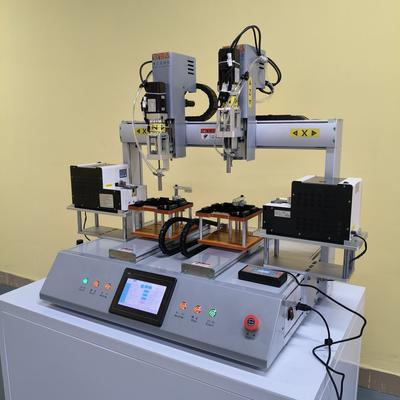
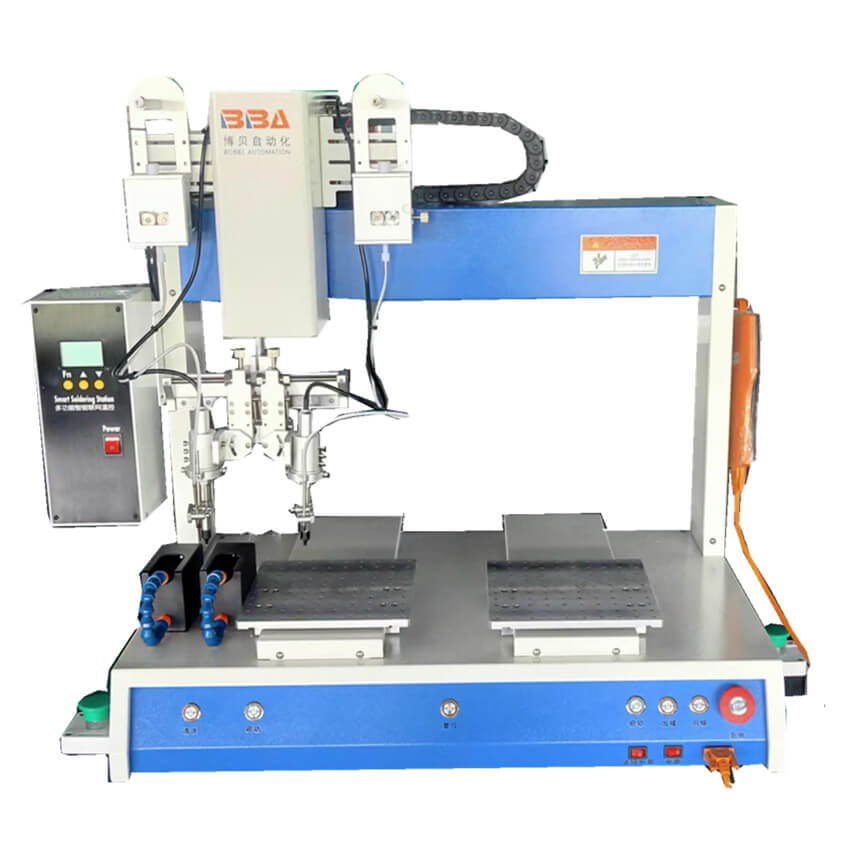
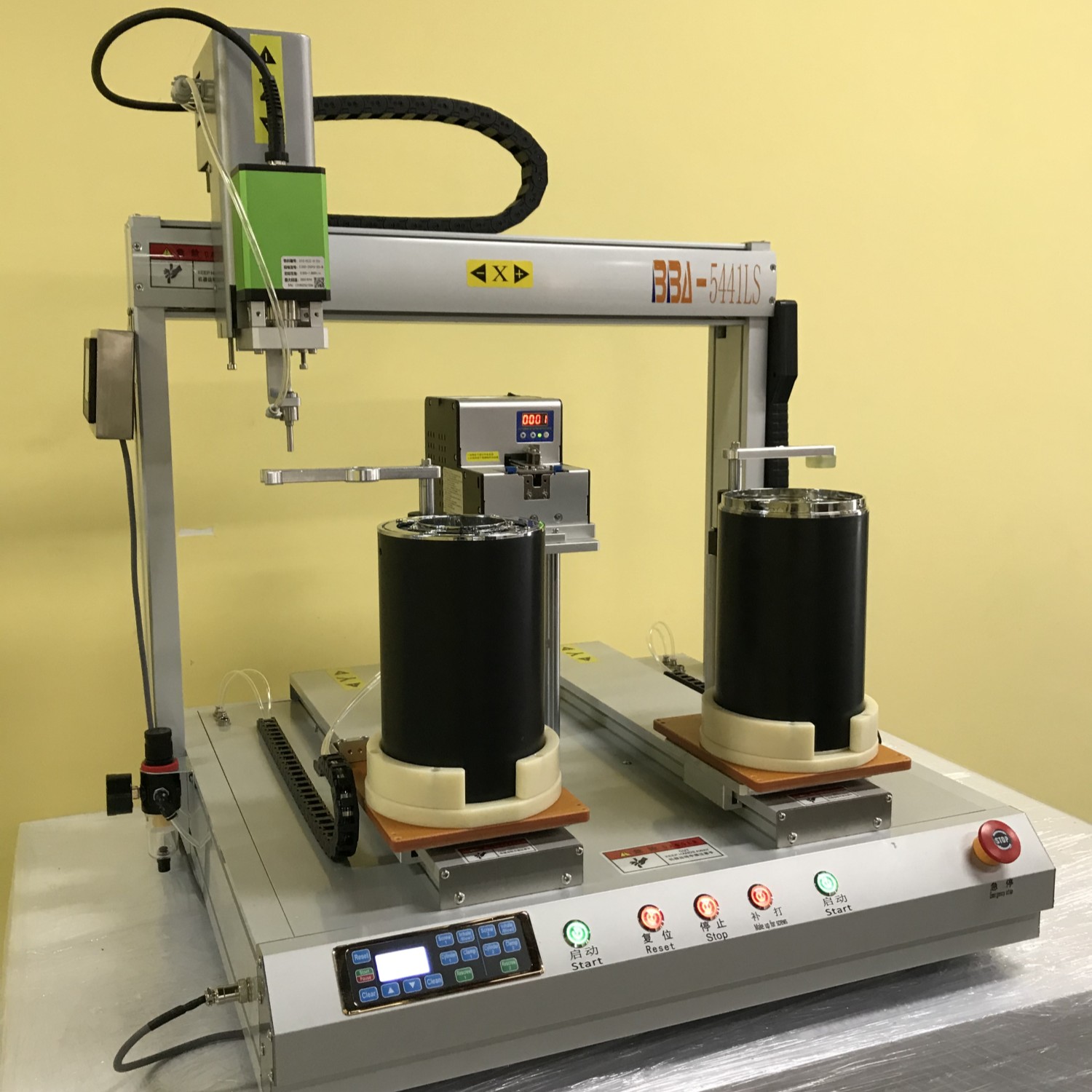
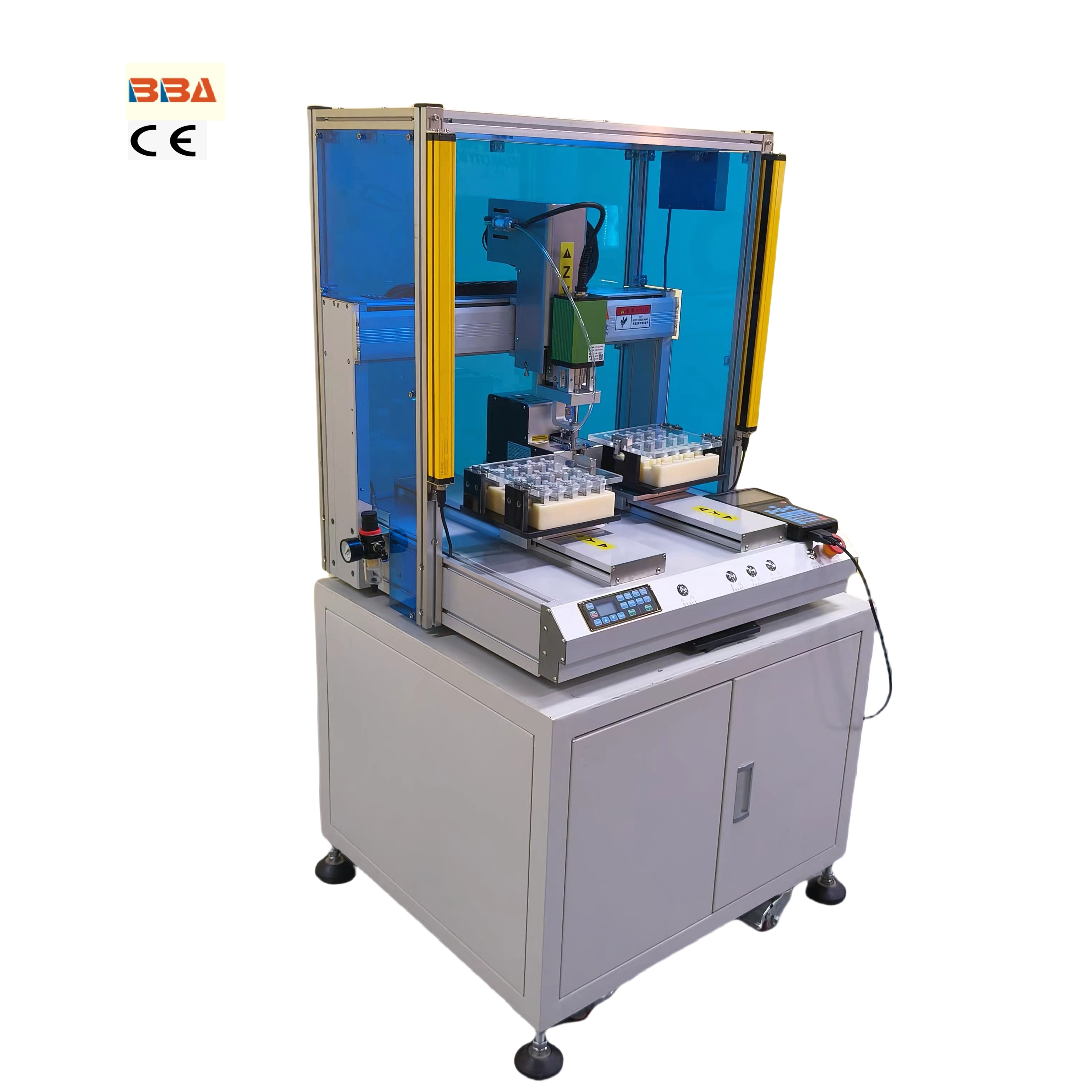
In the realm of industrial automation, efficiency and precision are paramount. The advent of Intelligent Feeding Systems has revolutionized the way manufacturing and assembly lines handle continuous fastening processes. These advanced systems are designed to streamline operations, reduce downtime, and enhance overall productivity by ensuring a seamless and reliable supply of fasteners such as screws, bolts, and rivets to automated tools.
Intelligent Feeding Systems integrate sophisticated technologies to deliver fasteners with unparalleled accuracy and speed. At the heart of these systems are high-precision vibratory bowls or centrifugal feeders that orient and feed components correctly. Coupled with advanced sensors and vision systems, they can detect and reject defective or misoriented parts in real-time, preventing jams and ensuring only perfect fasteners reach the point of use.
Modern systems are equipped with IoT connectivity and data analytics capabilities. This allows for continuous monitoring of feeding performance, predictive maintenance alerts, and remote troubleshooting. By analyzing data on feed rates, jam occurrences, and component quality, these systems can self-optimize, reducing unplanned stoppages and maintenance costs significantly.
Key benefits of implementing an Intelligent Feeding System include a dramatic reduction in manual intervention, a decrease in fastener waste, and a substantial improvement in the overall equipment effectiveness (OEE) of the production line.
Today's manufacturing demands require systems that are not only efficient but also highly adaptable. Intelligent Feeding Systems are designed with modularity in mind, allowing for quick changeovers between different fastener types and sizes. This flexibility is crucial for production lines that handle high-mix, low-volume batches, enabling manufacturers to respond swiftly to changing market demands without costly retooling or extended downtime.
Scalability is another critical advantage. Whether integrated into a single workstation or a complex multi-station assembly cell, these systems can be easily expanded or reconfigured. This ensures that as production volumes grow or new product lines are introduced, the feeding technology can grow accordingly, protecting the initial investment and future-proofing the operation.
Consistent quality in fastening is non-negotiable for product integrity and safety. Intelligent Feeding Systems play a pivotal role in achieving this by guaranteeing that the right fastener is delivered at the right time and in the correct orientation. This eliminates human error and variability, leading to a dramatic reduction in defects related to missed, cross-threaded, or improperly torqued fasteners.
The integration of these systems with smart electric torque tools further enhances quality control. The feeding system can communicate directly with the tool, providing data on the fastener being delivered and confirming its specifications. This closed-loop process ensures every joint is completed to exact engineering specifications, with all data recorded for full traceability and compliance.
In conclusion, Intelligent Feeding Systems for continuous fastening are no longer a luxury but a necessity for modern industrial automation. They represent a significant leap forward in creating smarter, more connected, and more efficient manufacturing environments. By investing in this intelligent technology, companies can secure a formidable competitive advantage through superior productivity, unmatched quality, and remarkable operational agility.